
Last updated November 2, 2026
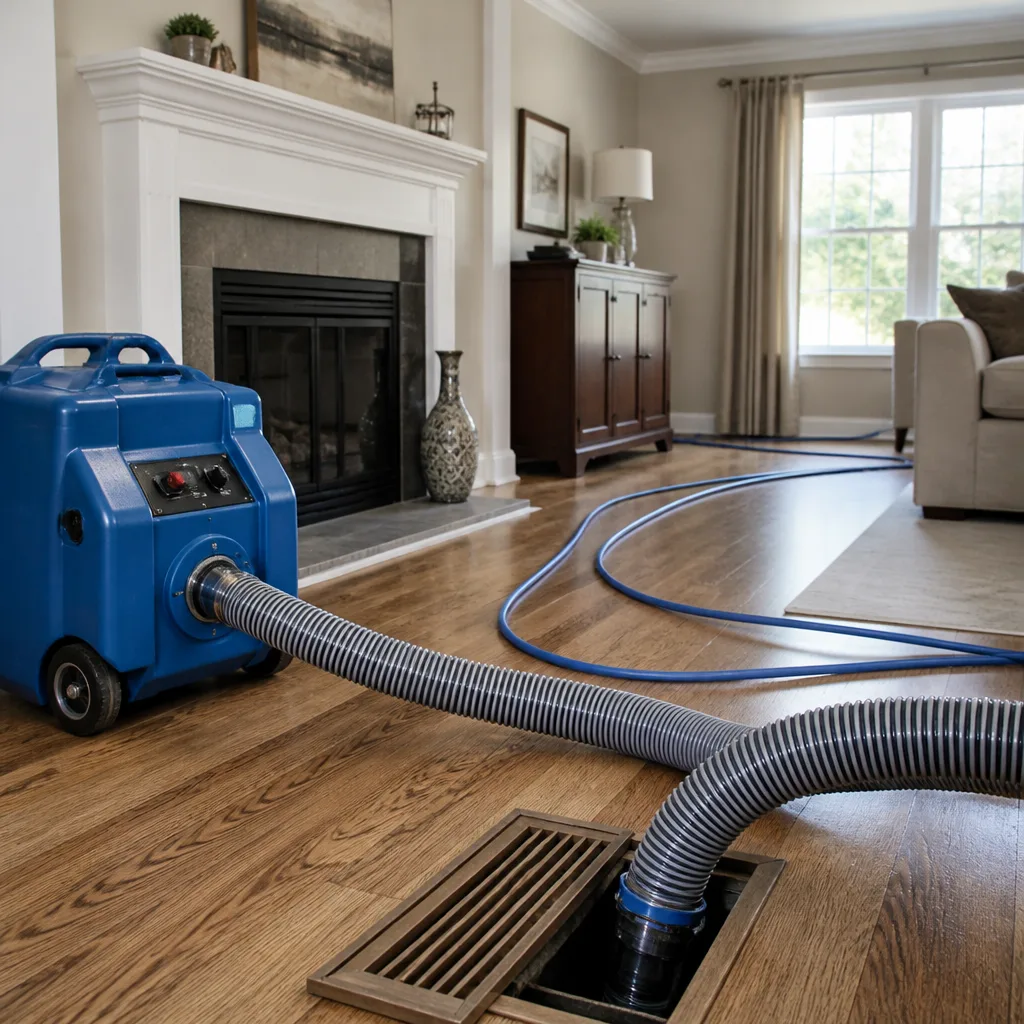 Whole-home duct cleaning
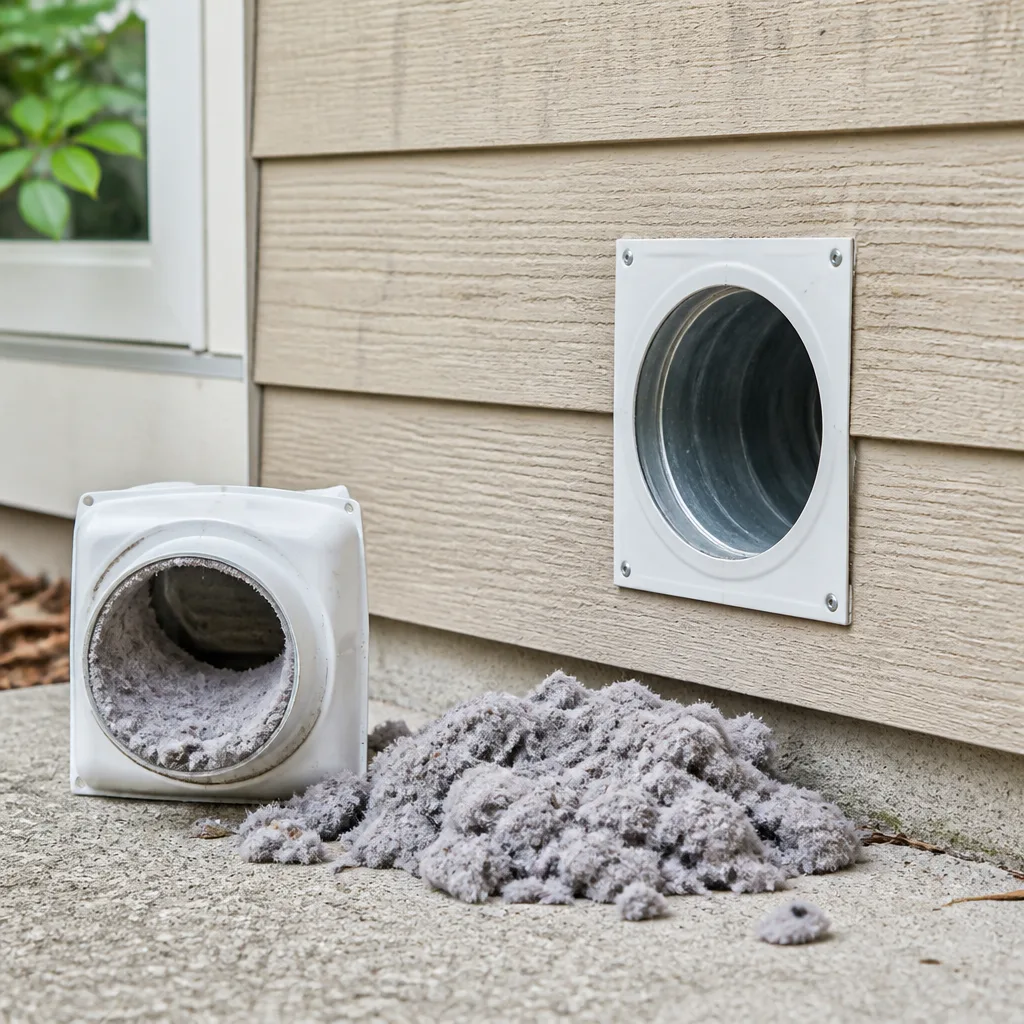 Dryer vent cleaning
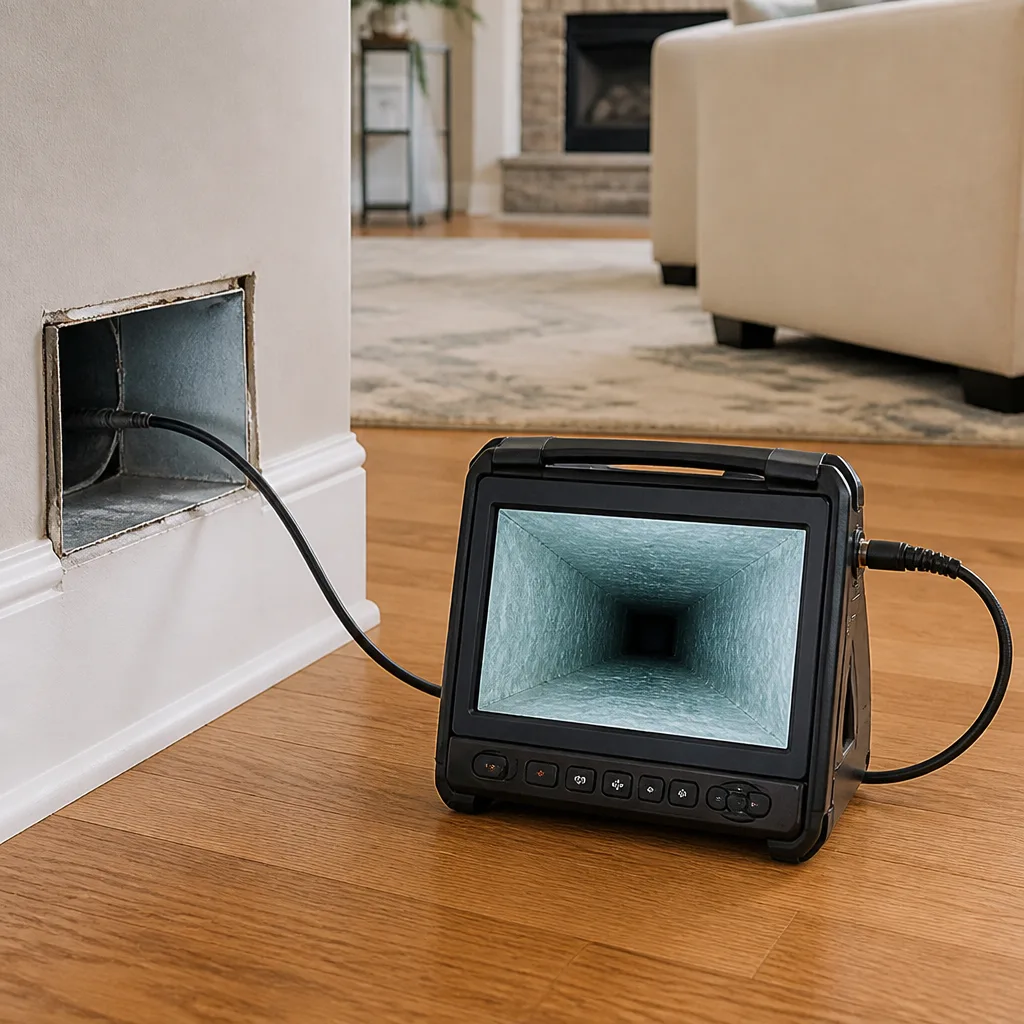 Camera inspection
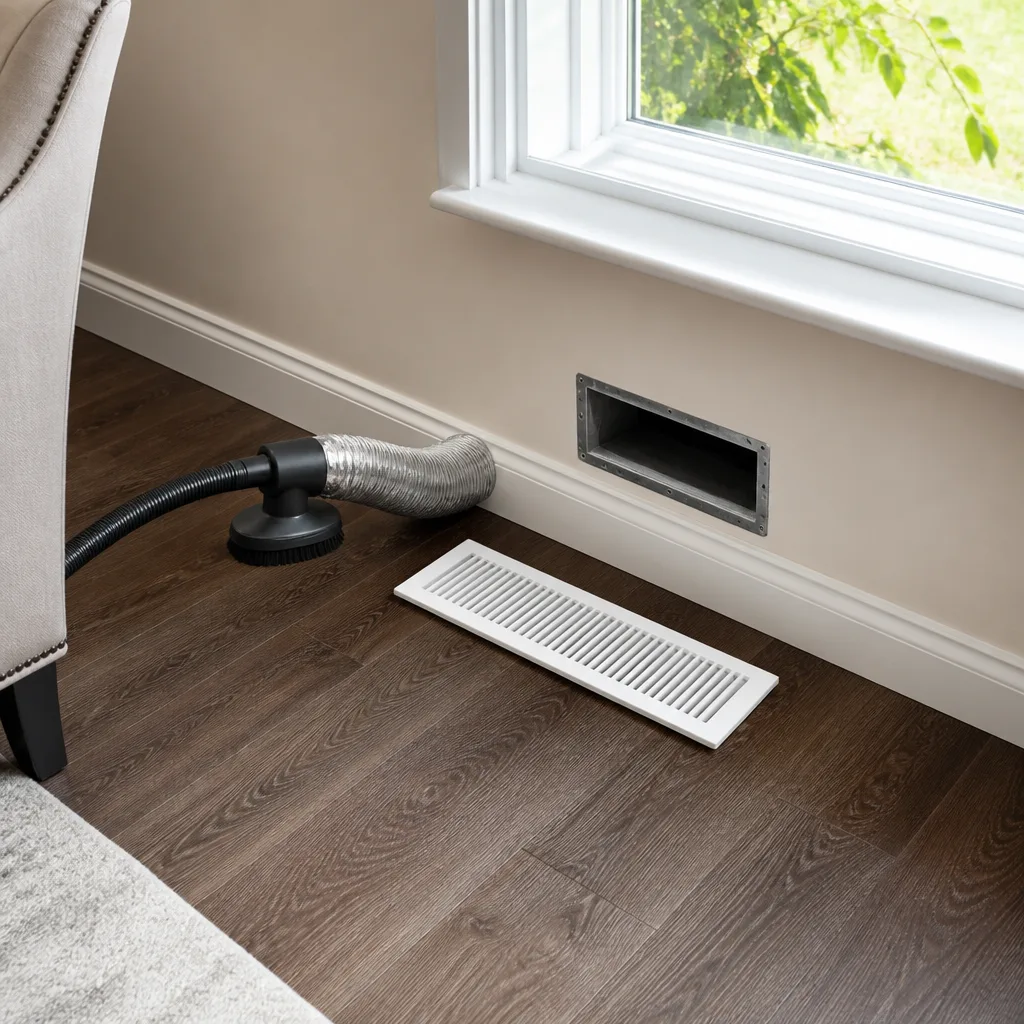 Sanitizing & deodorizing
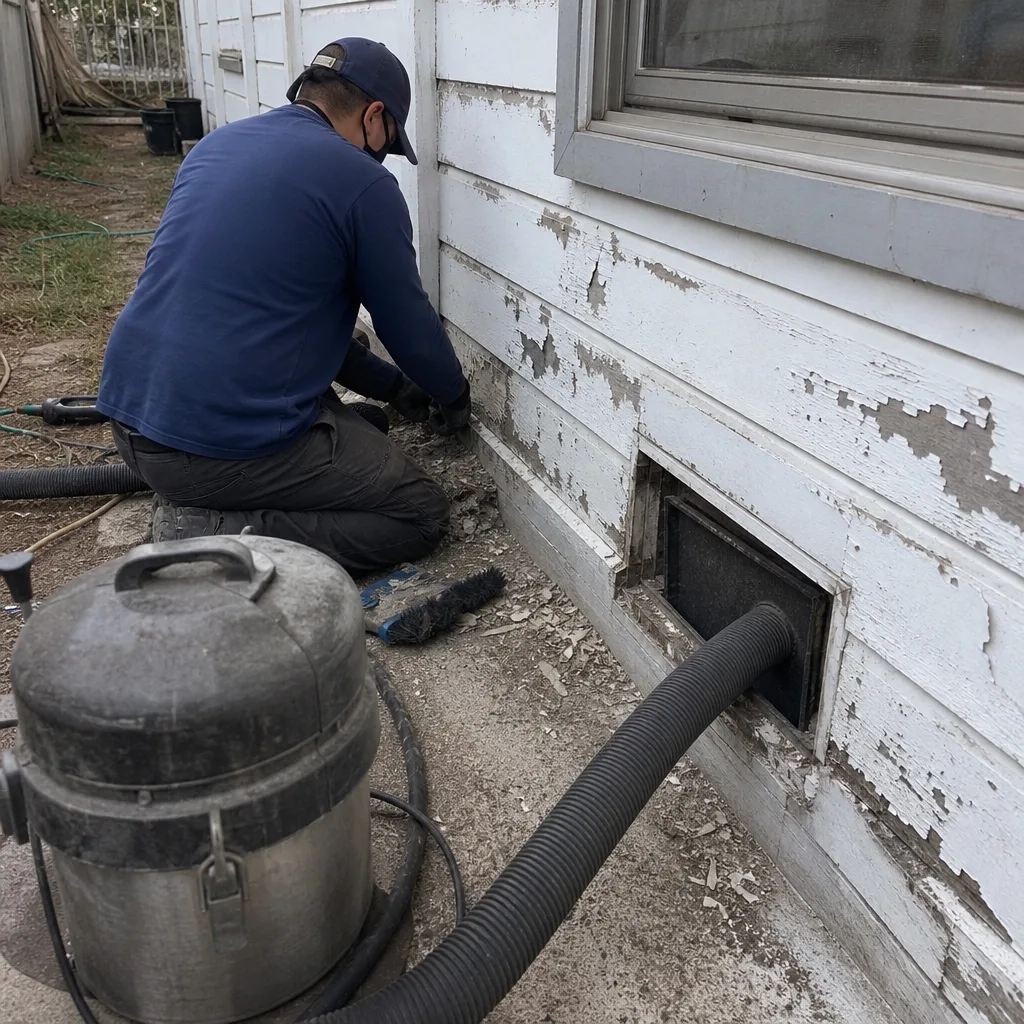
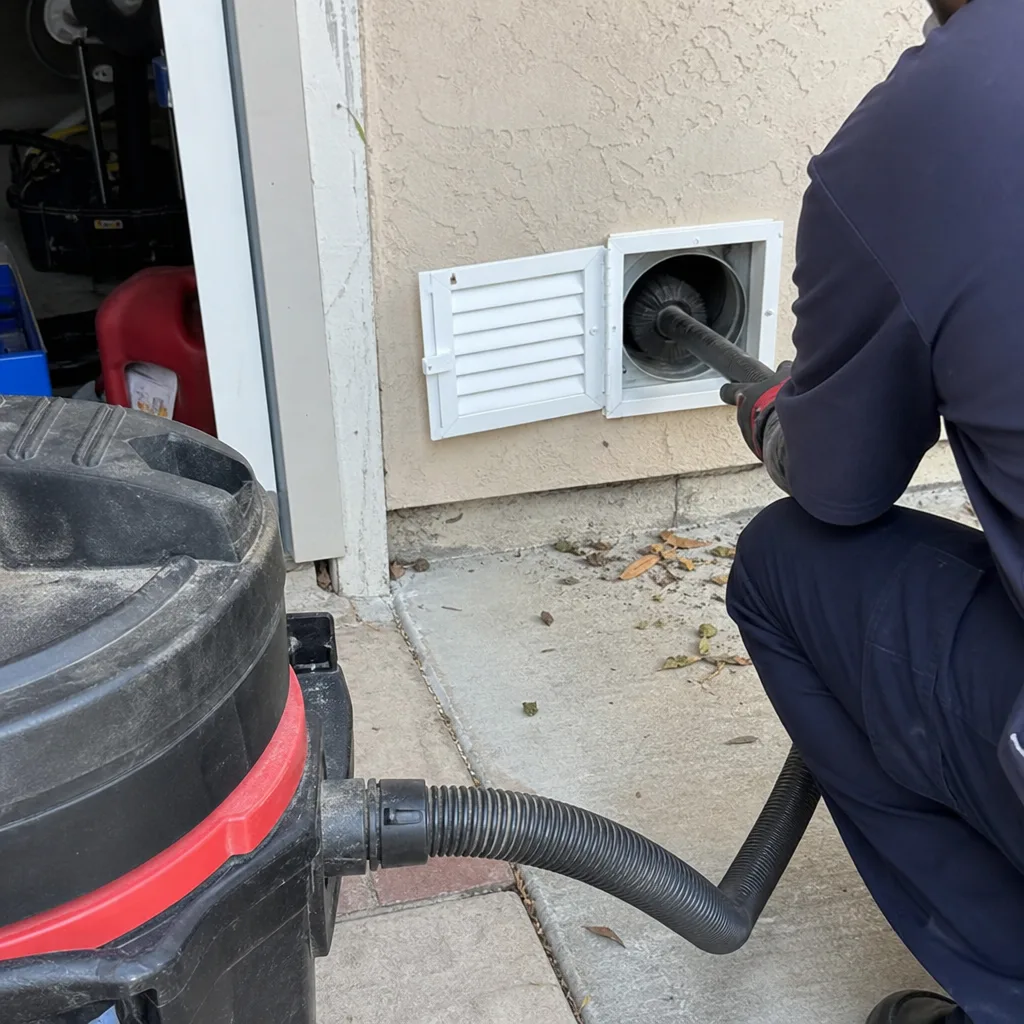
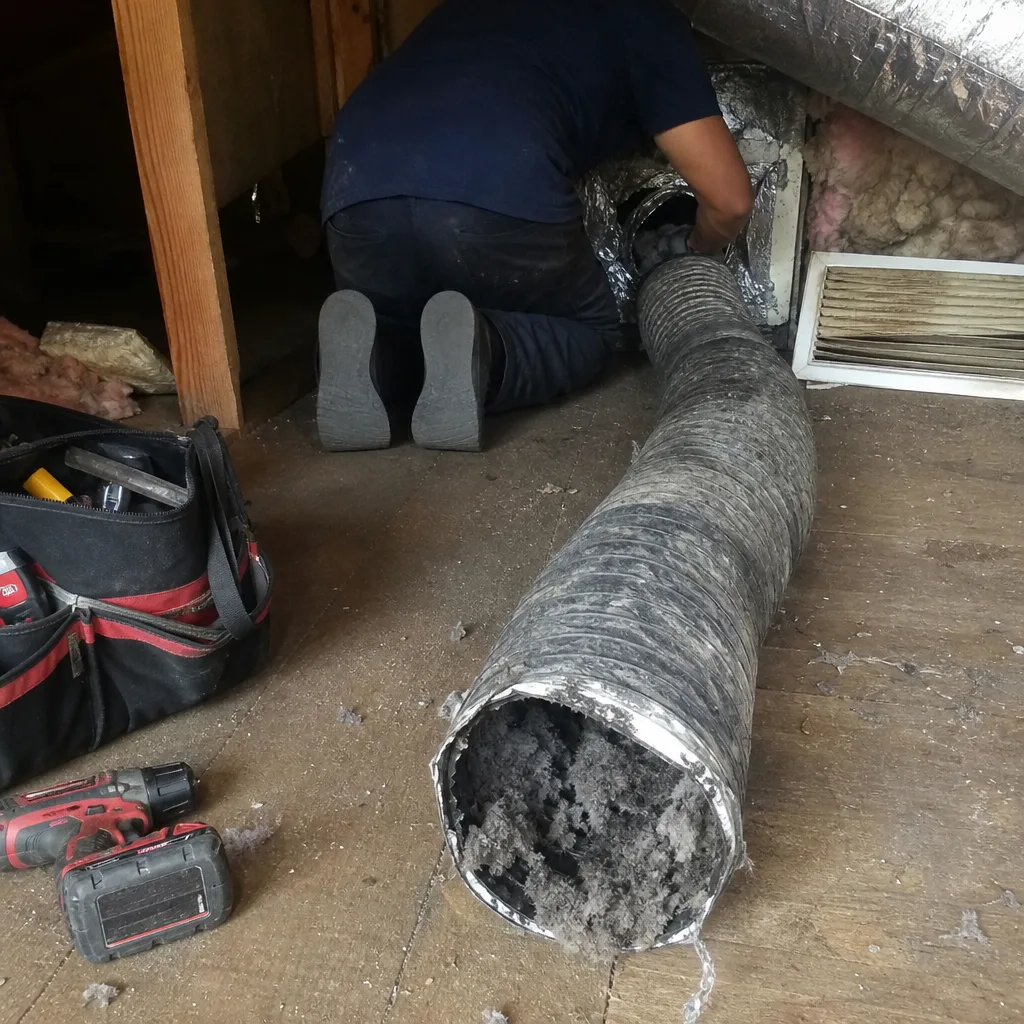
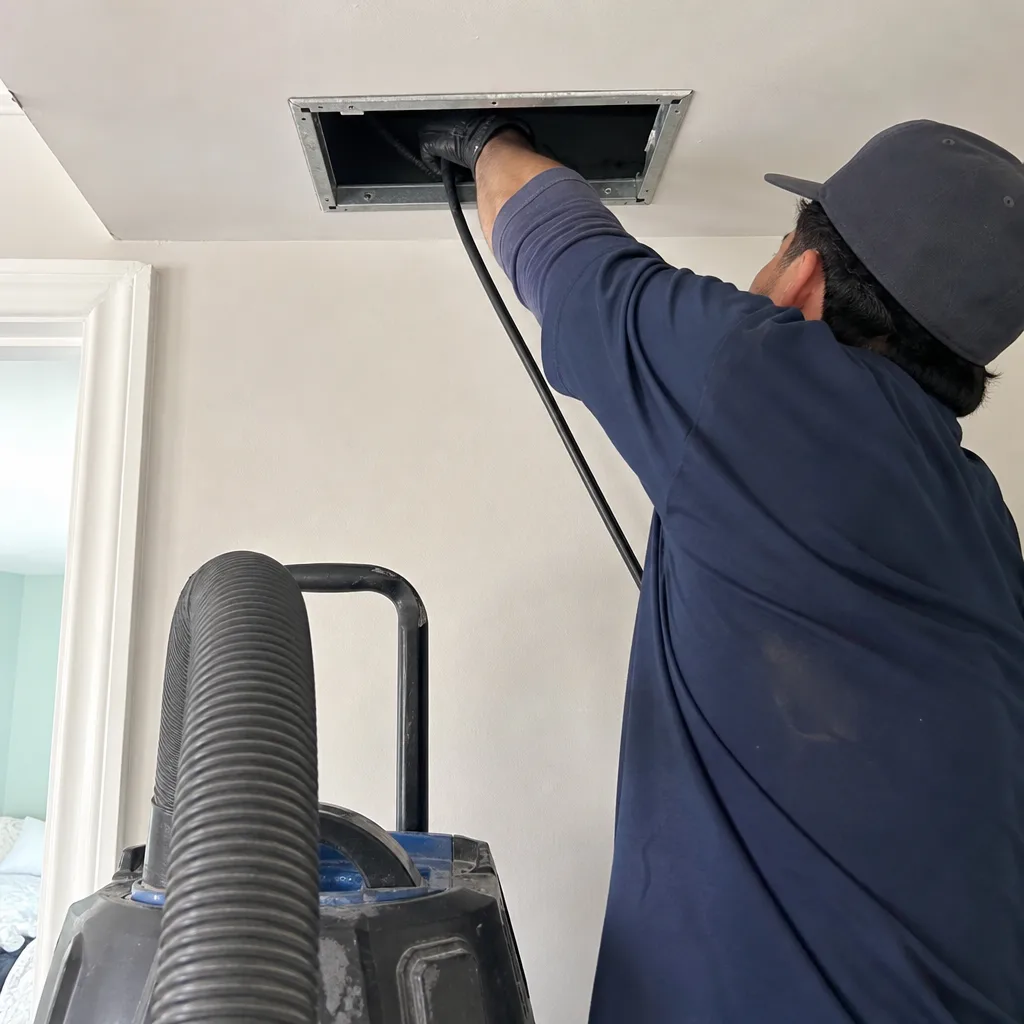
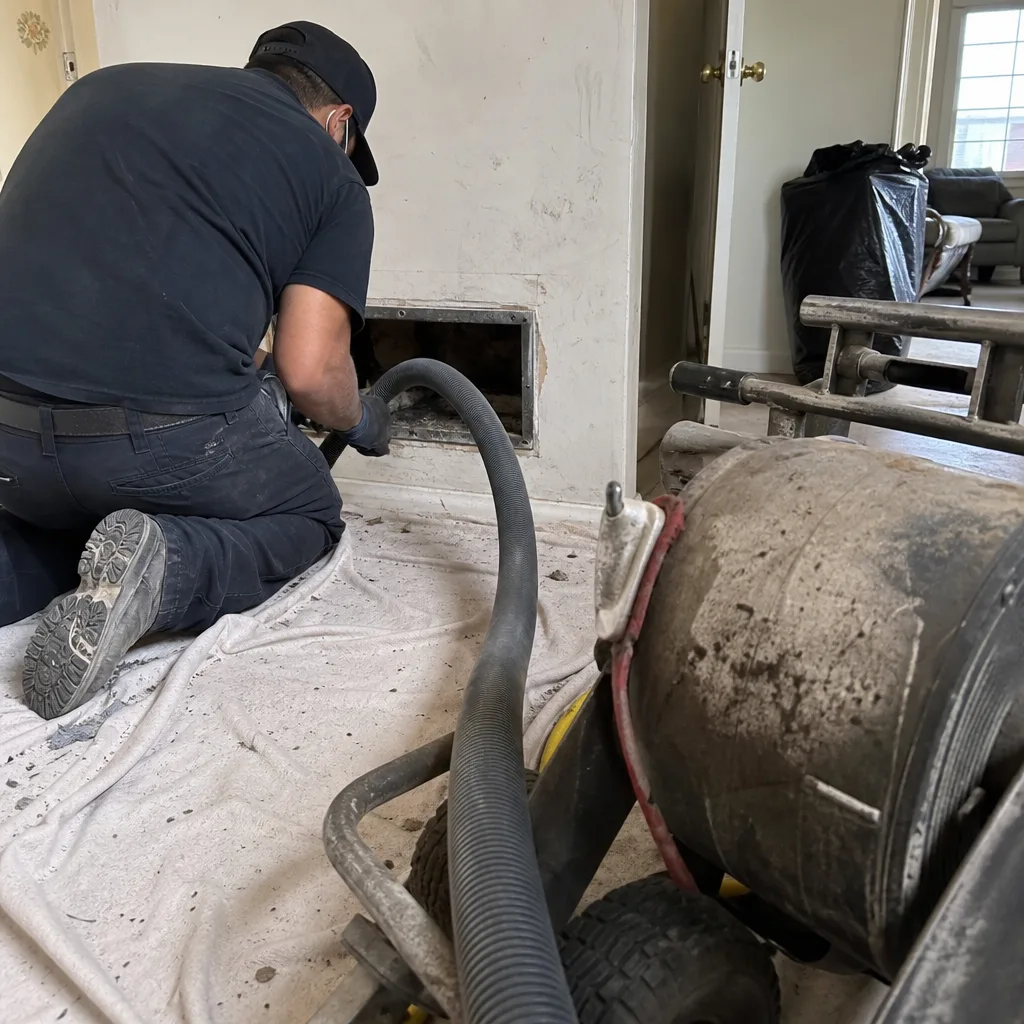
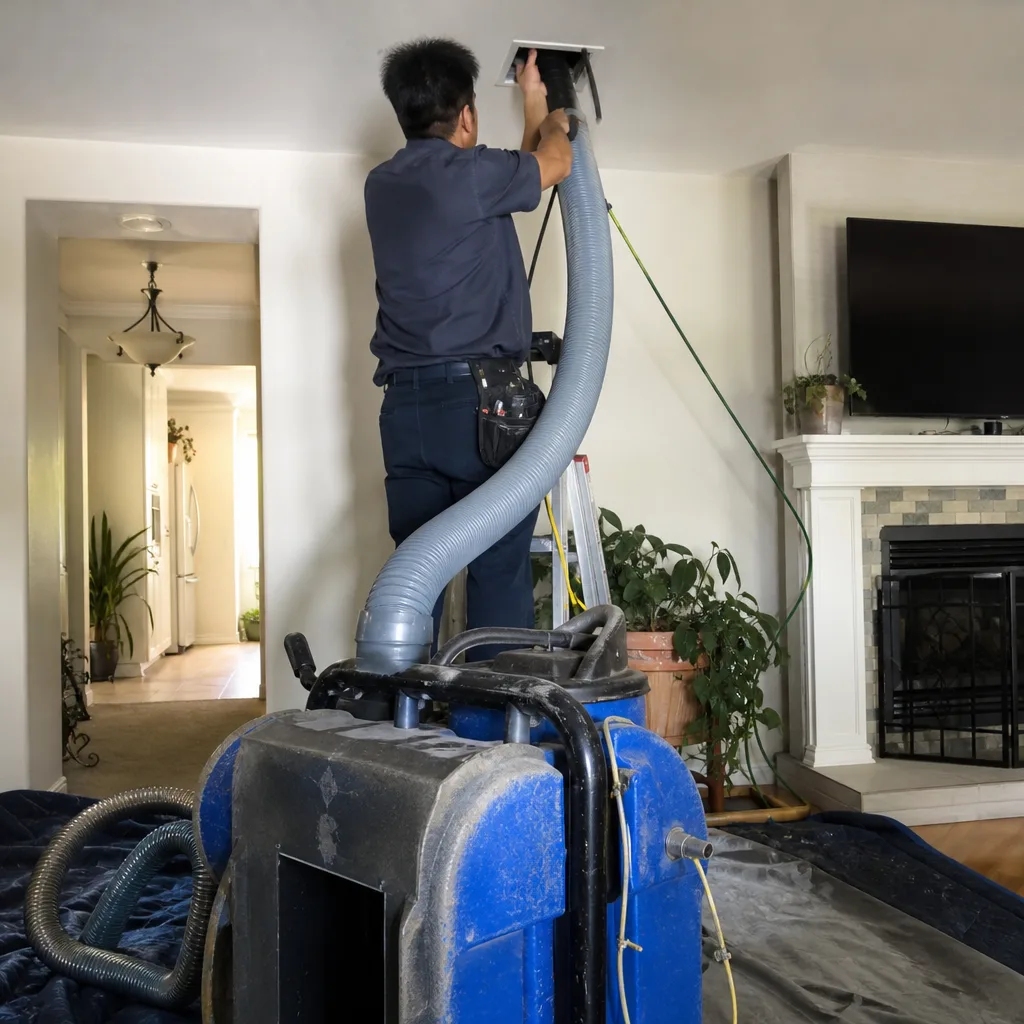
Whole-system duct and dryer vent check with before-and-after photos - you see exactly what came out of your vents
That "$99 whole-house special" is a bait ad - the real number appears once they are in your hallway, or the "clean" is a shop-vac at the register. We photograph the inside of your ducts before and after instead.
Air Duct Cleaning Troubleshooting: Common Problems and How to Fix Them
Musty smell when the AC kicks on? It might not be your ducts at all. A dirty evaporator coil fools homeowners, and frankly some contractors, into paying for unnecessary duct cleaning jobs every single season. This guide walks you through how to actually diagnose duct problems in San Pedro, which ones you can spot yourself, which require professional equipment to confirm, and which symptoms are red herrings that cleaning won’t fix. You’ll learn a simple DIY register inspection, how to read a legitimate cleaning report, and when a standard cleaning is enough versus when you need HEPA-level containment.
Quick Answer
Most duct problems fall into three categories: visible debris buildup you can confirm yourself with a flashlight, airflow issues that usually stem from design or sealing problems rather than dirt, and odor problems that often originate outside the ducts entirely. A proper diagnosis starts with a visual inspection of your registers and filter housing before you spend money on cleaning. When cleaning is warranted, the work should include captured containment of dislodged debris, not just agitation that kicks dust back into your living space.
Styles & brands we work with
- Whole-home duct cleaning
- Dryer vent cleaning
- Camera inspection
- Sanitizing & deodorizing
Table of Contents
- Symptom or Red Herring: What Duct Cleaning Actually Fixes
- The DIY Register Inspection: A Step-by-Step Method
- Uneven Room Airflow: Why Cleaning Usually Isn’t the Fix
- Odor Diagnosis: Ducts, Coils, or Drain Pan?
- What a Legitimate Post-Cleaning Report Should Include
- Standard Cleaning vs. HEPA Remediation: Knowing the Difference
- How San Pedro’s Coastal Climate Affects Your Ducts
- Common Mistakes to Avoid
- When to Call a Professional
- Frequently Asked Questions
Symptom or Red Herring: What Duct Cleaning Actually Fixes
Duct cleaning solves exactly one problem: debris that has accumulated inside your ductwork and is being recirculated into your living space or restricting airflow. That’s the whole job. The confusion starts because a dozen other HVAC problems produce symptoms that feel identical to dirty ducts. In our experience in San Pedro homes, the three most common false alarms are dirty evaporator coils, clogged filter housings, and mold growth in drip pans. Each of these needs a different fix.
Here’s the diagnostic truth most troubleshooting articles skip: if your filter has been changed regularly and you don’t see visible debris at your registers, your ducts are probably not the source of your problem. Runny noses in one room, a musty smell that fades after the AC runs for ten minutes, or a single vent that blows weak air are all classic signs that point somewhere other than the ductwork itself. Before calling anyone, do the register inspection below. It costs nothing and takes five minutes.
When ducts are genuinely contaminated, you’ll typically see one or more of these signs: visible dust accumulation on register grilles and the first few inches of visible duct, dust streaks radiating outward from vents on walls or ceilings, a fine dust film that returns within 48 hours of wiping surfaces, or debris in the duct that you can photograph with a phone camera and a flash. These are actionable findings. A general sense that the house is dusty is not.
The DIY Register Inspection: A Step-by-Step Method
You can confirm duct contamination at home with a flashlight, a phone camera, and about ten minutes. This inspection we’re about to walk you through is the same initial step a professional technician performs before recommending work. Here’s the exact method used when we assess San Pedro homes.
- Turn off your HVAC system at the thermostat. You want still air so dust isn’t blowing around while you inspect.
- Remove two or three register covers in different rooms. Pick the rooms where you’ve noticed the most dust accumulation. Unscrew or pop off the grille and set it aside.
- Shine a flashlight into the duct opening at an angle. Look at the sides and bottom of the duct run. Normal ducts have a thin, even dust film that’s the same color as household dust. Actionable contamination looks like caked material, visible debris chunks, or distinct layers of gray-brown buildup.
- Photograph what you see with your phone’s flash on. Clean the camera lens first. Photos document the baseline and let you compare before and after any cleaning work.
- Wipe the inside of the duct with a clean white cloth or paper towel. Dust that comes off easily is loose surface material. If the material is oily, sticky, or leaves a dark smear, that points toward possible moisture-related contamination, not just dust.
- Check the register covers themselves. Dust on the outside is normal. Dust plastered on the inside face of the grille suggests air has been pushing debris through for a while.
What you find at the register only tells part of the story. The average home has 30 to 60 linear feet of ductwork, and contamination tends to collect in the main trunk lines and return ducts, not just at the supply registers you can see. If your register inspection is clean but a dust smell persists when the air runs, the issue may sit deeper in the system. That’s when professional inspection equipment matters.
Uneven Room Airflow: Why Cleaning Usually Isn’t the Fix
A bedroom that never gets cool while the living room freezes is the single most common complaint we hear from homeowners. It’s also, much of the time, not a duct cleanliness issue. Uneven airflow in San Pedro houses typically traces back to one of three causes: duct design problems, leaking duct joints, or closed dampers.
Older San Pedro homes, especially those built before the 1990s, often have duct systems that weren’t sized or balanced for the square footage they serve. Long flex-duct runs with sharp bends create static pressure drops that starve far rooms of conditioned air. No amount of cleaning fixes a duct run that’s simply too long or too narrow for the airflow volume the room needs. Cleaning removes debris; it doesn’t redesign duct geometry.
Leaking ducts are a separate and very common problem. Joints between duct sections crack, tape dries out, and connections at the plenum loosen over decades of thermal expansion. We’ve found homes in San Pedro where 20 to 30 percent of conditioned air was leaking into attics and crawlspaces before it ever reached a register. The symptoms look like weak airflow, but the fix is air duct repair in San Pedro, which involves sealing joints, reconnecting separated sections, and sometimes replacing crushed flex runs. This is why a repair capability matters during a cleaning visit. A contractor who only cleans sees the debris but may not alert you to structural problems. We handle both in one visit.
Before you pay for anything, check your dampers. Many systems have manual volume dampers in the duct runs near the main trunk. They look like small metal levers on the outside of round ducts. If a previous owner or technician closed one partially, that room will always underperform. It’s a 30-second check that costs nothing.
Odor Diagnosis: Ducts, Coils, or Drain Pan?
Musty or sour smells when the HVAC runs are the most misdiagnosed symptom in the industry. Here’s how to narrow it down before you spend money on duct cleaning. The location and timing of the odor tell you almost everything.
If the smell appears only when the AC runs and fades within a few minutes, the source is almost certainly the evaporator coil or drain pan, not the ducts. The coil sits in the air handler and gets cold and wet during cooling cycles. In San Pedro’s humid coastal air, organic material accumulates on coil fins and in the drain pan, where it decays and produces that characteristic dirty-sock odor. Duct cleaning won’t touch the coil. You need the coil cleaned, the pan sanitized, and the drain line flushed. Some systems benefit from UV treatment installed at the coil. This is an HVAC service, not a duct service.
If the smell is constant, present even when the system is off, and seems strongest in one room or hallway, the ducts themselves become a more likely candidate. Constant odor suggests something inside the ductwork is the source, whether that’s accumulated organic debris, pest intrusion, or moisture damage. In coastal San Pedro, condensation inside uninsulated ducts in attics is a real problem. Warm humid air meets cool duct surfaces, moisture collects, and biological growth follows. That’s a duct problem, and it may require more than basic cleaning.
If you smell gas, fuel oil, or something burning, turn the system off and call the appropriate utility or HVAC professional immediately. Those smells have nothing to do with cleaning and everything to do with safety.
What a Legitimate Post-Cleaning Report Should Include
After a duct cleaning, you should receive documentation that proves work was done and shows what was removed. A receipt that says “duct cleaning” without detail is not documentation. Here’s what a legitimate report includes and what low-bid operators leave you with.
A proper post-cleaning report starts with a pre-cleaning inspection summary. The technician should note the condition of your system before work began: observed debris types, areas of heaviest buildup, any moisture or repair issues spotted during inspection. If the technician didn’t inspect before cleaning, there’s no baseline to measure against. Then comes the cleaning log itself, documenting which components were cleaned: supply ducts, return ducts, main trunk lines, plenums, registers, fan housing, and whether the coil was addressed to the extent accessible during duct work.
Before-and-after photos are the minimum evidence you should expect. These should show the same duct locations before and after agitation and extraction. A camera is standard on professional equipment. Companies running consumer-grade shop vacs typically don’t photograph anything because there’s nothing to show. If your cleaner didn’t take photos, ask why.
The final piece is a debris assessment. Professional systems using equipment like Rotobrush contact-vacuum brush systems or Nikro duct cleaning machines extract and capture material as it’s dislodged. The technician should be able to tell you what types of debris came out: construction dust, pet hair, fiberglass insulation fragments, biological material. When we clean ducts in San Pedro homes with Nikro equipment, we log the material types and volumes removed into the containment unit. That data goes in the report. If your cleaner can’t tell you what came out of your ducts, they probably don’t know.
Standard Cleaning vs. HEPA Remediation: Knowing the Difference
Most duct cleaning jobs are routine maintenance: remove accumulated household dust, pet dander, and fiber debris using mechanical agitation and simultaneous vacuum extraction. The right tool for that is a contact-vacuum brush system that physically scrubs duct walls while a vacuum pulls the dislodged material into containment. Rotobrush systems do exactly that. Nikro machines, which are standard issue for HVAC and remediation contractors, do the same job with professional-grade power. These tools capture what they knock loose, which matters because the alternative is agitation without capture, which just moves debris around inside your ducts until it resurfaces in your living room.
But some situations require more than standard cleaning. If the contamination includes biological growth, if you’ve had water intrusion, or if someone in the home has severe respiratory sensitivity, a standard cleaning pass may not be enough. In these cases, the work should be done under negative air pressure using HEPA-filtered equipment. Abatement Technologies negative-air machines are the benchmark here, the same units restoration contractors use after fires and floods. The machine pulls air through HEPA filters rated to 99.97% at 0.3 microns, keeping the work area under negative pressure so dislodged particles can’t escape into living spaces during cleaning.
For most San Pedro homes, standard professional cleaning is the right call. But if your inspection found moisture damage, if there’s a history of leaks in the attic, or if visible biological growth is present at registers, ask whether the company can perform HEPA-containment cleaning. Not every operator can. It’s a meaningful differentiator.
How San Pedro’s Coastal Climate Affects Your Ducts
San Pedro’s marine layer does more than cool the evenings. It drives humidity into attics and crawlspaces at levels that inland cities never see. That humidity creates two specific conditions that affect ductwork. First, condensation. When cool air moves through uninsulated metal ducts in a humid attic, moisture collects on the duct surface. Over years, that moisture traps dust, which forms a paste-like layer that’s far harder to remove than dry household dust. Second, rust and corrosion. Older galvanized ductwork in San Pedro homes near the coast corrodes faster than the same ductwork would in Bakersfield or Palmdale. Corroded ducts develop pinhole leaks, which degrade airflow and create pathways for dust and insulation to be pulled into the airstream.
The practical takeaway: in a humid coastal climate, annual filter changes matter even more. A clean filter doesn’t just improve air quality, it reduces airflow resistance which keeps the coil warmer, which reduces condensation. We also recommend that San Pedro homeowners periodically check accessible ductwork in attics after the rainy season ends. The marine layer pattern means moisture rides high in the air for months. Duct sections that sit in cramped, poorly ventilated attic corners are prime spots for condensation and biological growth that a casual glance will miss.
Common Mistakes to Avoid
- Paying for duct cleaning without a pre-inspection. You wouldn’t buy brakes without knowing your pads are worn. If a company quotes a duct cleaning price without inspecting your system first, you’re buying an assumed problem, not a diagnosed one.
- Choosing the lowest bid. A $99 whole-house special uses a shop vac and a brush that can’t reach past the first few feet of each register. You don’t get clean ducts; you get a very light dusting of the most visible areas. The low price is the sales pitch, not the deliverable.
- Assuming dust means dirty ducts. In San Pedro’s climate, dust accumulation on furniture and floors has many sources. Windows, doors, pets, cooking, and outdoor air all contribute. Exhaust-only dust is a lifestyle finding, not necessarily a duct finding. The register inspection tells you the difference.
- Skipping the dryer vent. Separate appliance, separate fire risk. The exhaust line from your dryer carries lint at temperatures that can ignite accumulated debris. A dryer vent cleaning in San Pedro is a distinct service with its own safety rationale. We treat it as its own scope of work, not an add-on to a duct cleaning quote.
- Expecting duct cleaning to fix HVAC performance. If your AC struggles to cool the upstairs, cleaning the ducts will not change the system’s capacity or fix a refrigerant charge problem. It removes debris. That’s the entire job. Flow problems need repair, balancing, or equipment fixes.
- Not getting before-and-after photos. Without photographic evidence, you’re taking a verbal assertion that work was done. Professional equipment includes cameras for a reason. Demand the photos.
- Ignoring the return side of the system. The return ducts are where most air enters the system before being conditioned. They see the dirtiest air first and often accumulate as much or more debris than supply ducts. A cleaning that focuses only on supply registers is half a job. The return side needs the same mechanical agitation and extraction.
When to Call a Professional
Some findings demand professional assessment: visible mold growth anywhere in the duct system, unexplained respiratory symptoms concentrated in your home rather than outside it, or ductwork that’s been flooded or exposed to standing water in an attic or crawlspace. Another sign: you’ve changed your filter, cleaned your registers, and the dust still returns within days. And if your register inspection revealed caked debris more than a light dust film, you’re past the point where DIY measures help.
Homeowners in San Pedro can call Air Duct Cleaning in San Pedro at (877) 573-0759 for a free estimate. We assess the system before quoting, and if the problem turns out to be a coil or drain pan issue rather than ducts, we’ll tell you that too. The correct diagnosis costs less than the wrong cleaning.
Frequently Asked Questions
You need cleaning if your register inspection shows caked debris, visible dust trails around vents, a dust film returning within 48 hours of wiping surfaces, or documented debris the system is pushing into your rooms. Light, even household dust that accumulates over weeks is normal. In San Pedro’s climate, you’ll know within a few minutes of inspecting a couple of registers whether there’s a real problem. If you’re unsure, a professional pre-inspection settles it. Call (877) 573-0759 for a free assessment.
Because the work being quoted is different. A low-bid operator typically spends 45 to 90 minutes with a shop vac and a brush that only reaches a few feet past each register, leaving the main trunk lines and return ducts untouched. The Rotobrush and Nikro systems we run in San Pedro mechanically scrub the entire duct interior while simultaneously vacuuming dislodged debris into containment. Different equipment, different time, different result. The cheap quote isn’t a better deal; it’s a smaller job. Call (877) 573-0759 for a quote based on your actual system, not a promotional price.
A legitimate cleaning includes before-and-after photos of multiple duct locations, a debris log showing what was extracted, and a report covering which components were cleaned. We photograph every duct section for San Pedro customers, document the debris types and volumes collected by the Nikro extraction system, and walk you through the full report after the job. If a company can’t produce this documentation, you can’t confirm the work happened. That’s the whole point of the report.
There’s no fixed interval that applies to every home. Most San Pedro homes benefit from cleaning every 3 to 5 years, with that window narrowing if you have pets, if you’ve done recent renovation, or if your system has run for years with inadequate filtration. Homes near the coast with documented condensation problems may need attention sooner. The honest answer: inspect, don’t schedule blindly. The register check takes five minutes and tells you more than a calendar.
No, not usually. Uneven room temperatures are most often caused by duct design issues, leaking joints, or damper settings, not cleanliness. Cleaning removes debris; it doesn’t correct static pressure imbalances or seal leaking duct runs. If airflow is the problem, the fix is likely in air duct repair, which addresses sealing and structural problems. We diagnose both during the same visit so you don’t pay for cleaning that won’t solve the actual issue.
Probably not. That pattern of odor, present at startup and fading as the system runs, usually points to biological growth on the evaporator coil or in the drain pan rather than the ductwork. The coil sits in the air handler, gets cold and wet, and in San Pedro’s humid air collects organic material that decays and stinks. Duct cleaning won’t fix it. The coil needs cleaning and the drain pan needs sanitizing. If the smell persists when the system is off, then ducts become a more likely source. Send us the details and we’ll point you toward the right fix. Call (877) 573-0759.
They’re separate systems with separate problems and separate risks. Air ducts move conditioned air through your home. Dryer vents exhaust lint and hot, moist air from the dryer to the outside. Lint is highly flammable, which makes a clogged dryer vent a fire risk that kills these appliances every year. Dryer vent cleaning in San Pedro is a distinct, safety-driven service with its own tools and process. We treat it as its own scope, not a bolt-on to a duct cleaning quote. If your dryer takes longer than 40 minutes to dry a normal load, the vent likely needs attention now, not later.
The Bottom Line
Duct cleaning troubleshooting is really diagnosis before purchase. The order matters: inspect your registers, rule out coils and drain pans for odors, check dampers and duct condition for airflow problems, and only then spend money on cleaning if the evidence points to accumulated debris. When cleaning is the right call, insist on documentation, captured containment, and before-and-after photos. In San Pedro’s humid coastal environment, moisture complicates duct conditions in ways that inland homes never see. And if the diagnosis reveals a problem beyond debris, whether it’s a leaking duct run or a clogged dryer vent, the fix should come from the same call. Professional-grade equipment, not a shop vac and a blower, is what separates a real cleaning from theater.
Ready to find out what’s actually in your ducts? Call Air Duct Cleaning San Pedro at (877) 573-0759 for a free estimate. We inspect first, quote honestly, and document everything.
Written by the team at Air Duct Cleaning San Pedro, serving San Pedro since 2017.
See the difference
 Before
 After
 Before
 After
 Before
 After