
Last updated November 2, 2026
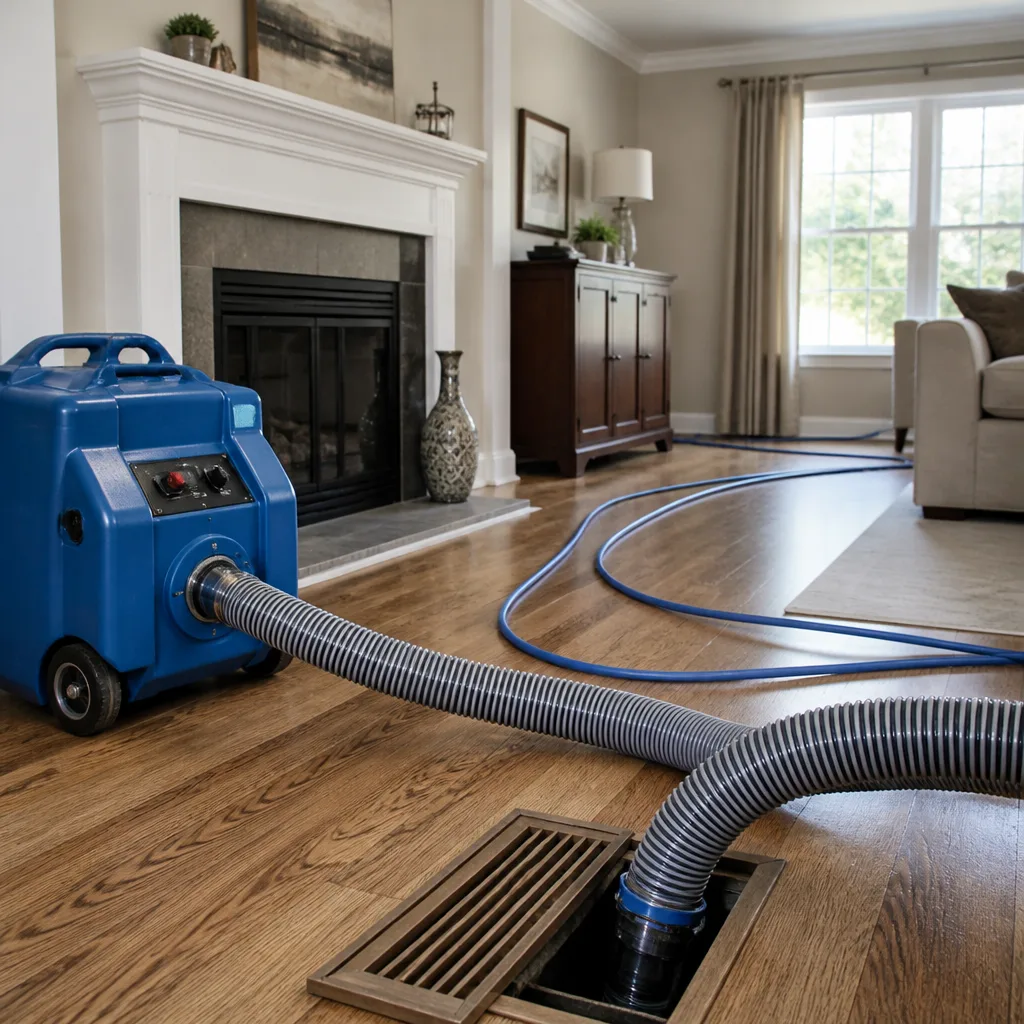 Whole-home duct cleaning
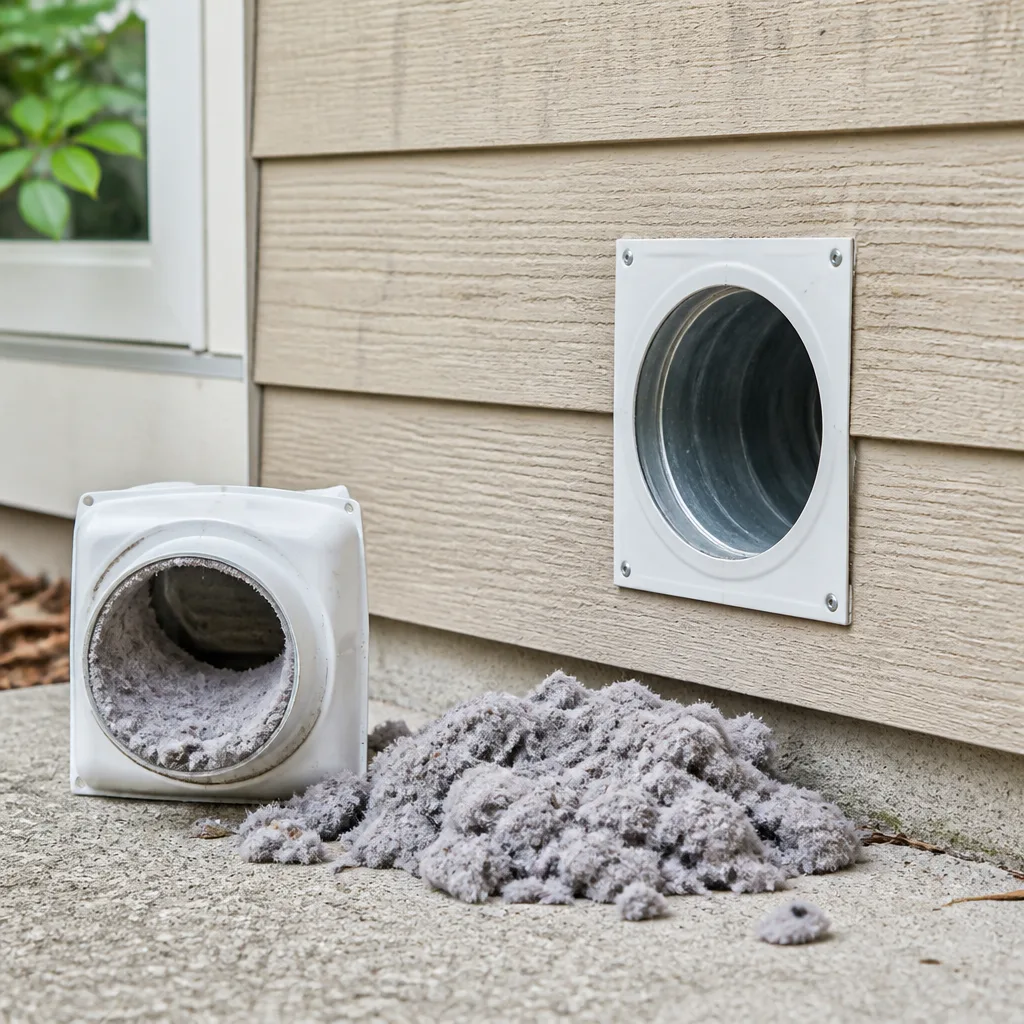 Dryer vent cleaning
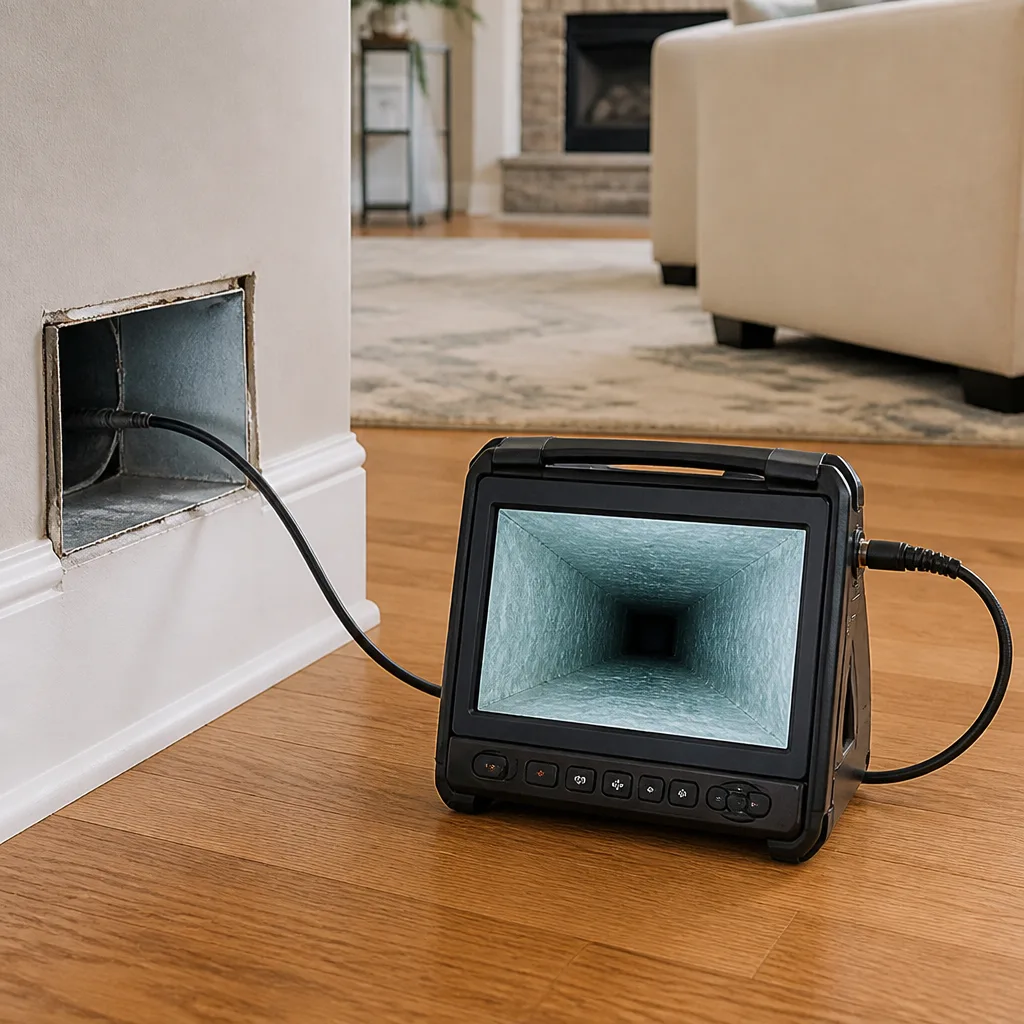 Camera inspection
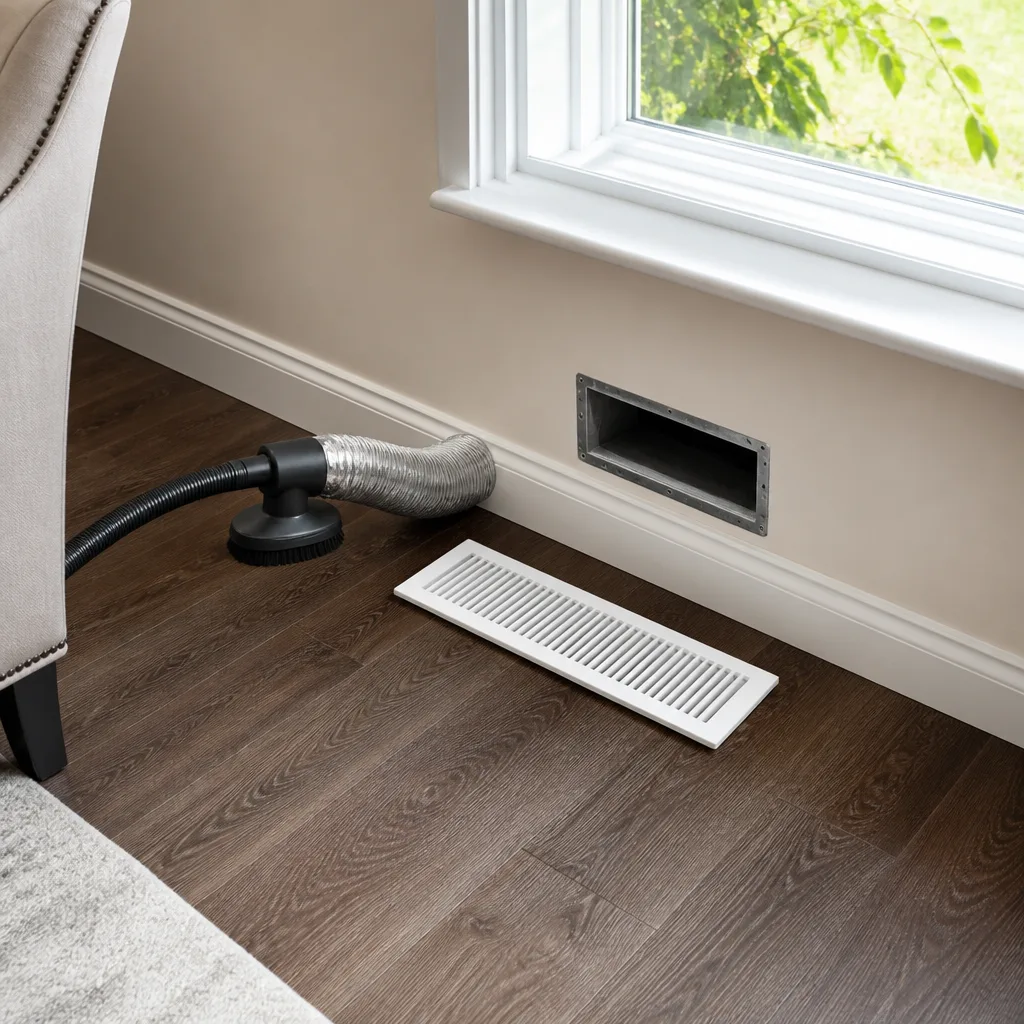 Sanitizing & deodorizing
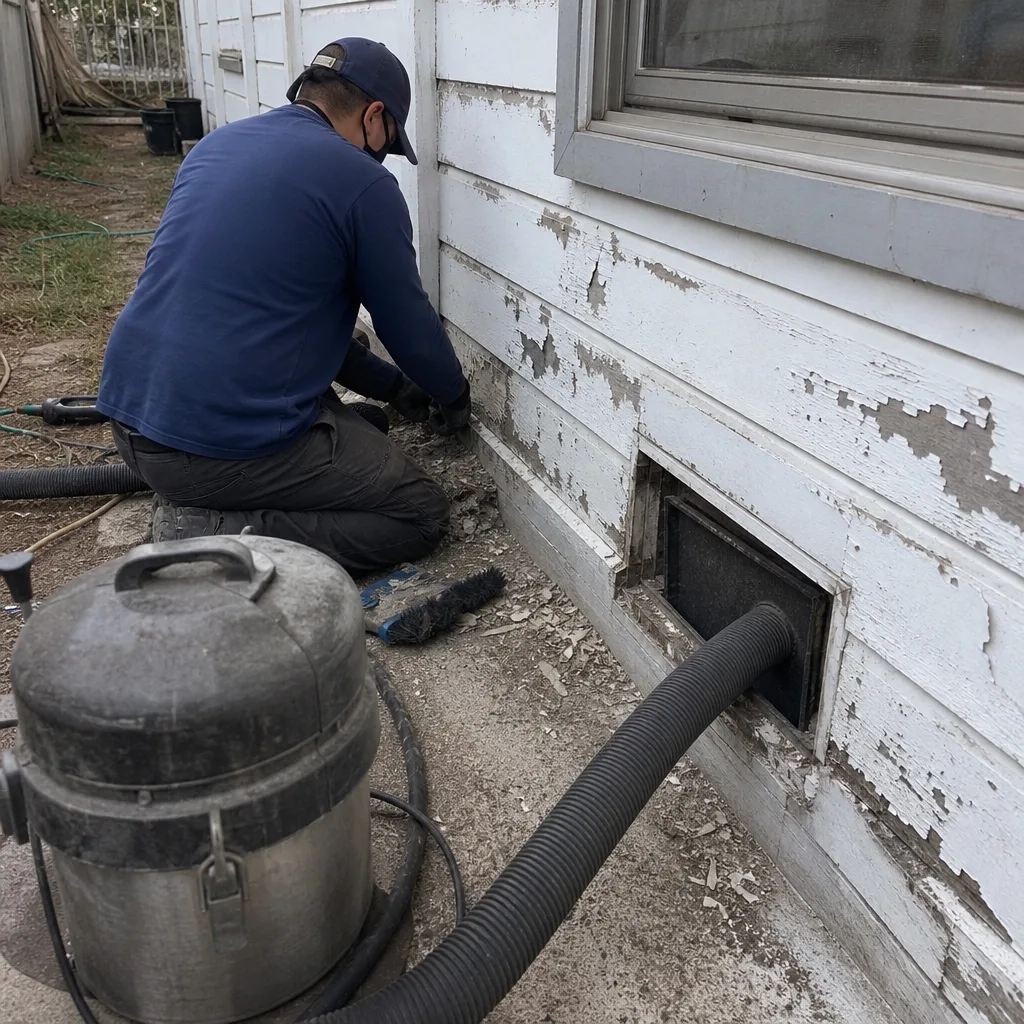
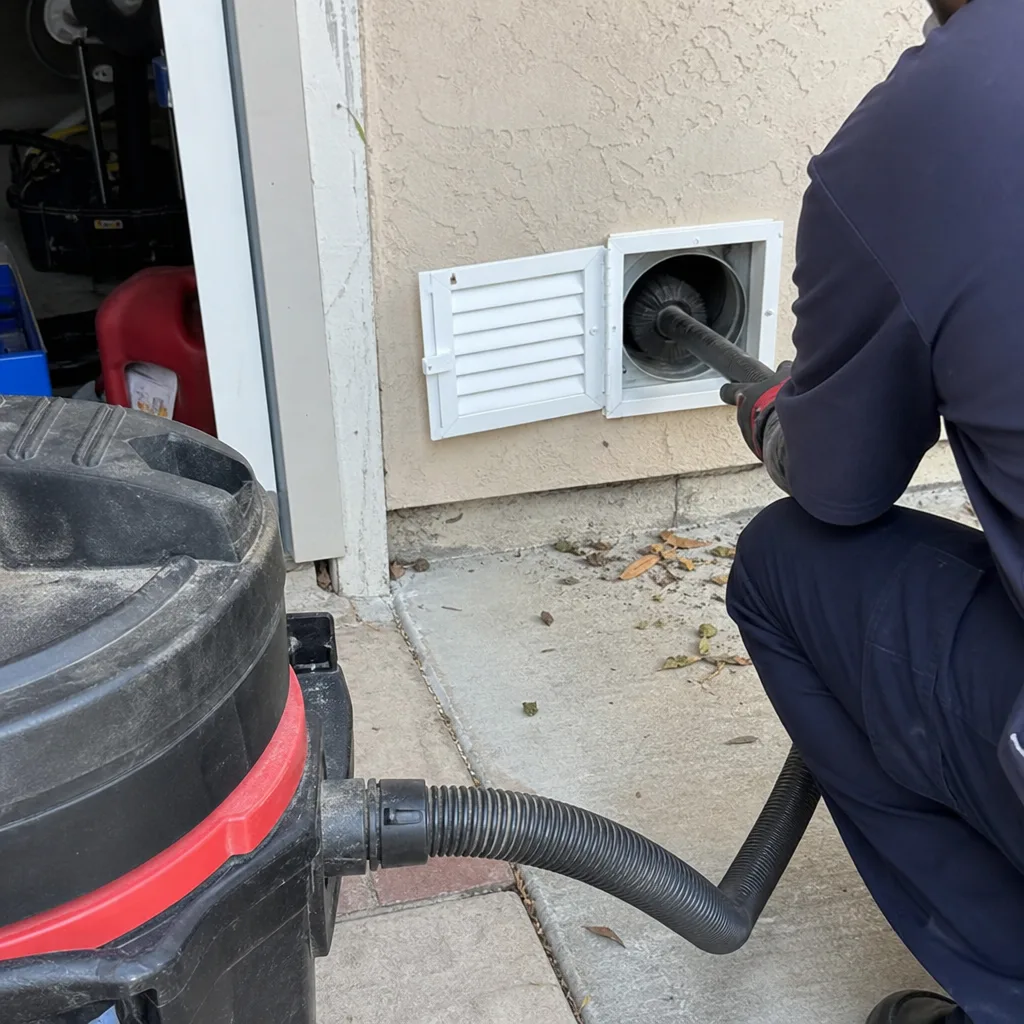
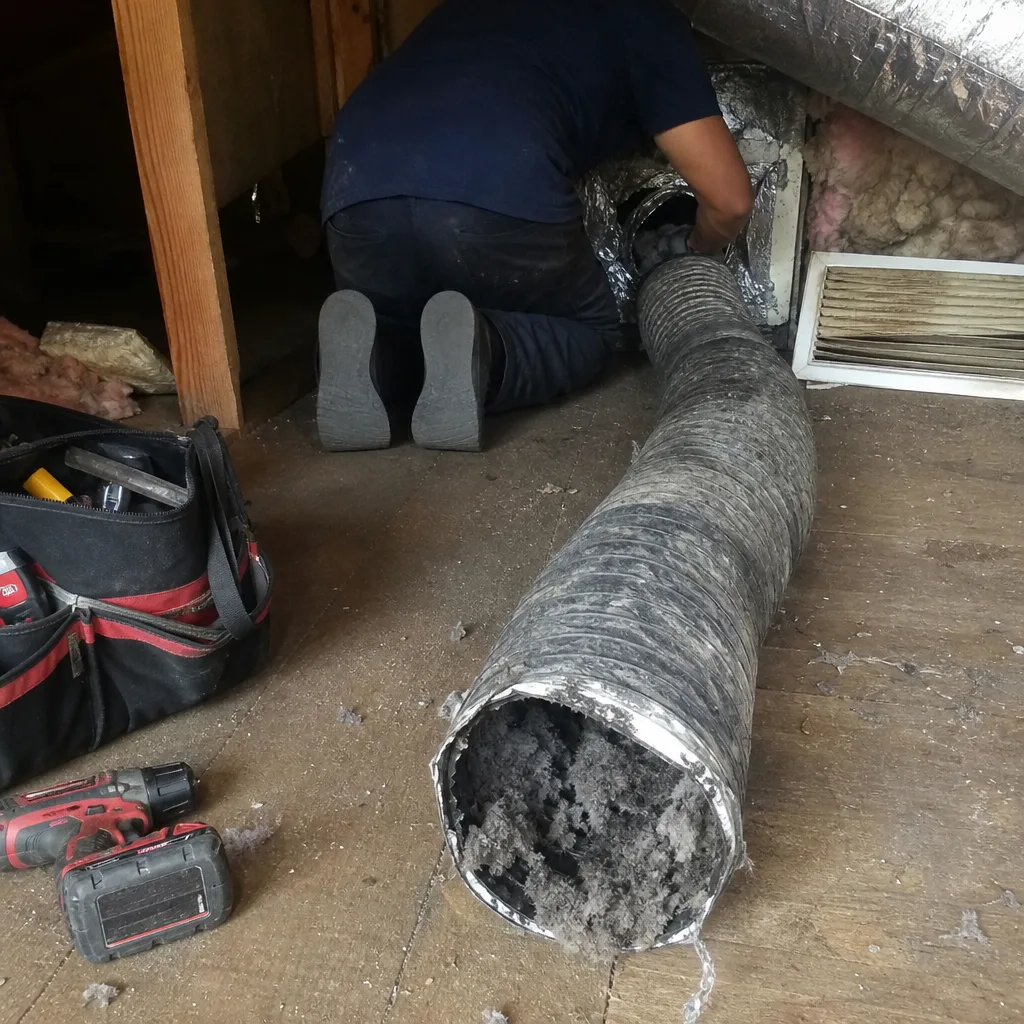
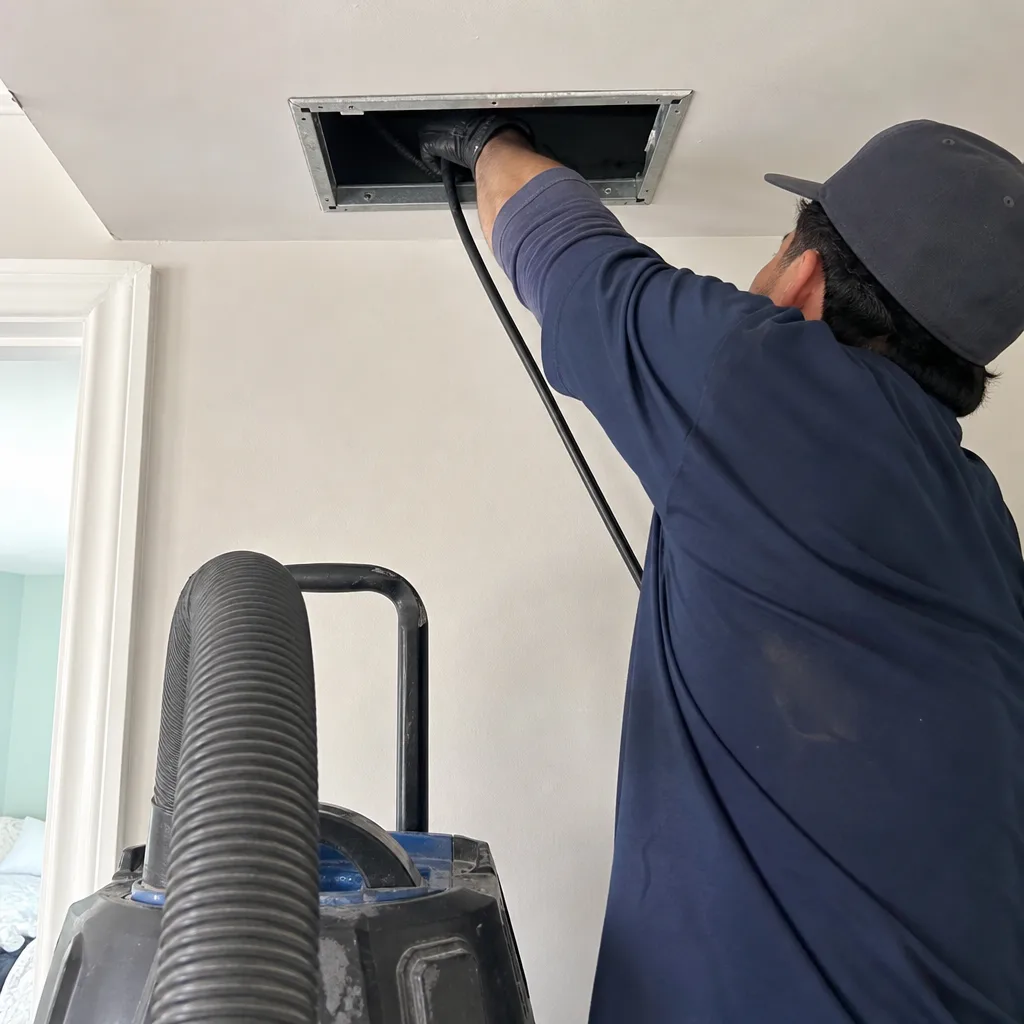
Whole-system duct and dryer vent check with before-and-after photos - you see exactly what came out of your vents
That "$99 whole-house special" is a bait ad - the real number appears once they are in your hallway, or the "clean" is a shop-vac at the register. We photograph the inside of your ducts before and after instead.
Air Duct Cleaning Permits, Codes & Inspections in CA: What You Need to Know
Most homeowners assume that if a contractor is in their home, permits and inspections are someone else’s problem. That assumption gets expensive fast. Air duct cleaning itself sits in a strange regulatory gray zone in California: no permit is required to clean, but what cleaning sometimes reveals often triggers work that does. Add San Pedro’s coastal marine layer, which accelerates corrosion on duct seams and exterior registers, and you have a recipe for confusion. This guide unpacks the actual code requirements, the HERS testing triggers, the asbestos disclosure rules, and the licensing questions most Air Duct Cleaning Troubleshooting: Common Problems and How to Fix Them guides skip entirely.
Styles & brands we work with
- Whole-home duct cleaning
- Dryer vent cleaning
- Camera inspection
- Sanitizing & deodorizing
Quick Answer
Air duct cleaning does not require a permit anywhere in California, including San Pedro, because it’s classified as maintenance rather than construction. However, if cleaning reveals damaged ducts needing repair, replacement, or sealing, those activities fall under California’s Title 24 energy code and may require HERS verification and a contractor with the correct C-20 HVAC license. The permit trigger isn’t the cleaning itself – it’s the discovery of conditions that require construction work to fix.
Table of Contents
- Does Air Duct Cleaning Require a Permit in California?
- Title 24 and Duct Systems: What Actually Applies
- HERS Testing: When Cleaning Crosses the Threshold
- Asbestos and Mold Disclosure: Legal Obligations in CA
- South Coast AQMD and Particulate Disposal in San Pedro
- C-20 vs. General Contractor: Who Can Do What
- Inspections: What Gets Inspected and When
- Common Mistakes to Avoid
- When to Call a Professional
- Frequently Asked Questions
- The Bottom Line
Does Air Duct Cleaning Require a Permit in California?
The short answer is no. Air duct cleaning is classified under the California Building Standards Code (Title 24, Part 2) as routine maintenance, not as an alteration or addition to a mechanical system. No city in California – not Los Angeles, not Long Beach, not San Pedro – issues permits for cleaning activities. The California Contractors State License Board (CSLB) doesn’t treat cleaning as a construction activity that requires a building permit, nor does it require a specific specialty license for cleaning work performed by a contractor’s employees.
But here’s where it gets tricky. The moment cleaning reveals a problem that requires repair – a disconnected duct run, a crushed return plenum, a failed joint with visible leakage – the scope changes. Repairing or replacing ductwork is construction. Under California Residential Code Section R101.3, any work that involves cutting, altering, or replacing mechanical system components requires a permit unless it falls under a specific exemption. Duct repair does not have a blanket exemption.
We see this pattern in San Pedro regularly. Homes built in the 1950s and 1960s along Western Avenue and around Peck Park often have original galvanized ductwork that’s past its service life. A routine cleaning loosens rust scale, revealing perforations that were invisible under decades of accumulated dust. At that point, the homeowner has a decision: leave it (which defeats the purpose of Air Duct Cleaning services), repair it without a permit (risk), or do it properly.
The practical takeaway: you don’t need a permit to have your ducts cleaned today. But you should know the threshold before the technician shows up, because an honest contractor will flag repair issues, and an unlicensed one will either ignore them or fix them illegally.
Title 24 and Duct Systems: What Actually Applies
California’s Title 24 energy code doesn’t regulate cleaning. It regulates performance. Specifically, Section 150.0(m) sets mandatory requirements for duct insulation and sealing, and Section 150.2(b) requires that when ducts are altered, they meet specific leakage standards. The code’s logic is simple: a duct system that leaks conditioned air wastes energy, and California has chosen to enforce that through construction standards rather than suggestions.
For San Pedro homeowners, this matters because the marine climate creates conditions that make duct leakage worse than the state average. Salt-laden air corrodes sheet metal seams. Humidity from the coastal fog promotes rust at joints and connections. A duct system that was sealed properly when installed in 1985 is almost certainly leaking today. The Title 24 standard for new duct systems is a maximum of 6% leakage as measured by a duct pressurization test, but existing systems in older San Pedro homes routinely test above 25%.
What Title 24 does not require is periodic cleaning or inspection. There’s no provision that says a homeowner must have ducts cleaned every X years to comply with energy code. The code’s requirements activate only when construction work occurs: replacement, repair that opens more than 40 feet of duct, or alteration that changes airflow characteristics.
One often-missed detail: Title 24 also governs fan efficacy in whole-home ventilation systems. If your San Pedro home was built or remodeled after 2008, it likely has a mechanical ventilation system (required by ASHRAE 62.2). That system’s ducts are subject to the same sealing requirements. A cleaning that disturbs those ducts doesn’t trigger anything, but if the cleaning reveals that installation was never sealed correctly, the correction falls under code enforcement jurisdiction.
HERS Testing: When Cleaning Crosses the Threshold
The Home Energy Rating System (HERS) is California’s verification mechanism for energy code compliance. A HERS rater is a third-party inspector certified by the California Energy Commission to perform field testing and diagnostic verification on residential buildings. Their tests include duct leakage measurement (using a Duct Blaster), airflow verification, and refrigerant charge testing on AC systems.
Here’s the threshold question: does a duct cleaning ever require HERS testing? The answer is usually no – but there are two circumstances where it can.
First, if cleaning reveals damage requiring duct replacement, the replacement work triggers the HERS verification process. Under the 2022 Energy Code, any duct system that is installed or replaced must pass a duct leakage test administered by a certified HERS rater. The homeowner doesn’t arrange this; the contractor does, at the homeowner’s expense, typically $150 to $400 for the test.
Second, less obviously, if a cleaning process is aggressive enough to dislodge sealant or tape from duct joints, the system may fail a subsequent inspection or energy audit. This is why the equipment matters. Rotobrush contact-vacuum brush systems are designed to agitate the duct interior without damaging seams when operated correctly. Consumer-grade equipment or improvised tools can destroy old foil tape or mastic seals. In our experience, a properly executed cleaning with negative air pressure containment doesn’t create HERS problems – but it can reveal them.
San Pedro-specific note: for Air Duct Cleaning Warning Signs: A San Pedro Homeowner’s Reference Guide, the California Energy Commission maintains a directory of certified HERS raters, and at least a dozen serve the South Bay area. If your cleaning leads to repair work, your contractor should coordinate the rater as part of the job. If they tell you HERS testing isn’t needed for duct replacement, find a different contractor.
Asbestos and Mold Disclosure: Legal Obligations in CA
Older San Pedro homes have a dirty secret: asbestos. From the 1940s through the late 1970s, asbestos-containing tape and insulation were commonly used on duct seams and exterior duct wraps. If the house predates 1980 and the ducts haven’t been touched since installation, there’s a real possibility the cleaning will encounter asbestos-containing materials (ACMs).
California law doesn’t require duct cleaners to test for asbestos before cleaning. But it does create legal obligations once disturbed ACMs are identified. The California Air Resources Board (CARB) regulates asbestos abatement, and Cal/OSHA sets workplace exposure standards. For a homeowner, the relevant requirement is disclosure: any contractor who encounters suspected asbestos during work is required to stop work in that area, notify the homeowner, and recommend testing by a certified asbestos consultant.
What a contractor cannot legally do is clean through it, bag it, and dispose of it as regular waste. That’s unlicensed asbestos abatement. CARB requires anyone disturbing more than 100 square feet of ACMs to hold a specific asbestos abatement certification. Most duct cleaning companies don’t hold this. An honest contractor will stop, inform you, and refer you to a licensed abatement contractor. A dishonest one will keep the vacuum running and keep their mouth shut.
Mold is different. There’s no federal or California statute that requires disclosure of mold discovered during duct cleaning. However, California Health and Safety Code Section 26100 et seq. establishes disclosure requirements for real estate transactions, and the California Department of Public Health has published guidance on mold in indoor environments. Practically, if a duct cleaner finds visible mold growth in an air handler, they should document it with photos, tell you in writing, and recommend evaluation by an industrial hygienist. Cleaning visible mold without addressing the moisture source is a wasted expense.
Our approach with professional-grade equipment like Abatement Technologies negative-air and HEPA filtration units is to contain any disturbed material during cleaning. That containment prevents dispersion, but it doesn’t eliminate the homeowner’s disclosure obligation if asbestos is confirmed. The contractor’s job is to identify the red flag, not to bury it.
South Coast AQMD and Particulate Disposal in San Pedro
San Pedro falls under the jurisdiction of the South Coast Air Quality Management District (South Coast AQMD), the air pollution control agency for Orange County and the urban portions of Los Angeles, Riverside, and San Bernardino counties. The agency’s rules affect duct cleaning in two ways.
First, the disposal of collected particulate. Duct cleaning generates waste material: dust, fibers, skin cells, construction debris, insect matter, and occasionally rodent droppings. This material is classified as solid waste by the California Department of Resources Recycling and Recovery (CalRecycle), and its disposal in a standard landfill is generally permitted. However, South Coast AQMD Rule 402 prohibits the discharge of air contaminants that cause nuisance or injury. Practically, this means a duct cleaning company cannot dump collected debris into a dumpster in a way that creates visible dust plumes, and they cannot vacuum vent exhaust into occupied spaces. Negative air machines with proper HEPA filtration, like those made by Abatement Technologies, capture particulates before they become airborne – this is exactly why restoration contractors use them.
Second, South Coast AQMD Rule 1102 governs emissions from dry cleaning operations and industrial processes, and while residential duct cleaning isn’t directly covered, commercial kitchen exhaust cleaning in San Pedro restaurants falls under its purview. If you own a commercial property, the regulatory landscape is different – exhaust hood cleaning at restaurants is regulated for fire code and air quality compliance. For residential homeowners, the relevant concern is simply ensuring the contractor uses containment and doesn’t blow dust into the neighborhood.
One more practical note: San Pedro’s proximity to the Port of Los Angeles means ambient particulate levels are already elevated in certain neighborhoods, especially those east of Gaffey Street near the terminals. Homeowners there often assume their dusty ducts are a port-related problem. In many cases, the ducts are simply old and leaking, and post-cleaning testing with a particle counter shows improvement even when outdoor air quality remains unchanged.
C-20 vs. General Contractor: Who Can Do What
The California Contractors State License Board issues specific license classifications. The C-20 license is the “Warm-Air Heating, Ventilating and Air-Conditioning Contractor” classification, and it covers ductwork installation, repair, sealing, and insulation work on HVAC systems. A general building contractor (Class B) can also perform these activities on residential projects that involve more than two unrelated trades.
Here’s the crux: cleaning alone doesn’t require either license. The CSLB has consistently held that air duct cleaning is not a construction activity requiring a contractor’s license. That’s why the industry has a reputation problem – companies with no license, no insurance, and no training can legally offer duct cleaning in California.
But the moment the scope expands to repair, the rules harden. If cleaning reveals a disconnected duct under the house and the technician reconnects it with sheet metal screws and mastic, that’s HVAC work. Performing it without a C-20 license is a misdemeanor under Business and Professions Code Section 7028. The fine is up to $500 for a first offense, but the real problem is liability: if the repair fails and causes property damage, the homeowner’s insurance may decline coverage due to unlicensed work.
This is why the full-service model matters. A company that cleans ducts but can’t repair them will either walk away from problems (leaving you with a half-done job) or sub the work out. A company that handles cleaning, repair, and dryer vent work in-house under one licensed umbrella closes that gap. When we find a damaged duct during cleaning in San Pedro, the repair happens in the same visit, not two weeks later with a different crew.
Inspections: What Gets Inspected and When
There are three inspection scenarios that intersect with duct work in California, and they’re often conflated.
1. Building department inspections for permitted work. If duct repair or replacement requires a permit, the building department will inspect the work after it’s complete. The inspection verifies that the duct system meets code requirements: proper support, sealed joints, correct insulation R-value (R-6 for supply ducts in unconditioned space in climate zone 6, though most of San Pedro is in climate zone 6 or 7 depending on proximity to the coast), and fire damper compliance where applicable. A HERS rater performs the duct leakage test separately and submits results to the building department.
2. HERS verification inspections. These are third-party field tests, not building department inspections. They measure duct leakage using a calibrated fan and pressure gauge. The pass/fail threshold for new or replacement ducts is 6% of system airflow at 25 Pascals pressure. HERS raters also verify that no unsealed joints exist and that ducts are not connected to building cavities (which would draw air from walls or attics).
3. Insurance and real estate inspections. Home inspectors in Los Angeles County don’t require any specific duct certification, but many flag visible duct damage during pre-purchase inspections. A flagged duct system can delay escrow or force a price concession. Our duct repair service in San Pedro frequently handles jobs where a home inspector flagged disconnected dryer vents or crushed return ducts during escrow, and the deal was contingent on repair by a licensed contractor.
Cleaning itself has no inspection requirement. But if you’re buying a home in San Pedro, scheduling a duct inspection and cleaning before close can identify problems that the general inspector missed. Most general home inspectors don’t open duct runs or test leakage.
Common Mistakes to Avoid
- Assuming a cleaning quote includes repair work. A $99 whole-house cleaning sounds great until the technician finds two disconnected returns and charges $600 more. Ask upfront what happens when damage is found during cleaning, and whether the company is licensed to perform the repair. Air Duct Cleaning San Pedro handles cleaning and repair in one service call.
- Ignoring duct leakage because you “don’t care about energy bills.” Leaky ducts pull air from attics and crawlspaces – air that contains fiberglass particles, rodent allergens, and whatever else lives there. The energy cost is secondary to the air quality cost in San Pedro’s older housing stock.
- Cleaning ducts in a home with confirmed asbestos without professional assessment. If your home predates 1980, have suspect ACMs tested before cleaning. Disturbing asbestos tape during cleaning turns a maintenance service into an abatement project, and most cleaners aren’t certified for that work.
- Choosing the lowest bid without asking about containment equipment. A shop vacuum with a brush attachment redistributes dust rather than removing it. The whole point of professional cleaning is negative air containment. Equipment brands like Rotobrush and Nikro exist because agitation without extraction makes things worse.
- Waiting until the dryer vent clogs completely. By the time airflow drops enough to notice longer drying times, the vent is already a fire hazard. Dryer vent cleaning is a safety service, not a luxury add-on. It should be scheduled separately and done thoroughly, not as a five-minute upsell at the end of a duct job.
- Not requesting documentation after cleaning. Ask for before-and-after photos. If the contractor won’t provide them, you have no way to verify the work was actually done. Professional crews using equipment like Rotobrush systems can show exactly what was removed from your ducts.
When to Call a Professional
You should call a professional when you can see visible dust emerging from supply registers, when rooms stay dusty within days of cleaning, when your energy bill climbs without explanation, or when you smell mustiness that intensifies when the HVAC runs. These are signs of either extreme duct buildup or leakage – both of which a proper cleaning with professional-grade equipment can diagnose. If you’ve already had a low-bid cleaning and saw no change in symptoms, the problem is likely that the previous contractor used consumer-grade tools without containment. Air Duct Cleaning in San Pedro operates Rotobrush contact-vacuum systems and Nikro professional duct cleaning equipment, the same brands used by commercial remediation contractors. If a dryer vent hasn’t been cleaned in more than two years, schedule Dryer Vent Cleaning in San Pedro separately – dryer vents kill more people in house fires than any other preventable cause. Air Duct Cleaning San Pedro offers free estimates in San Pedro – call (877) 573-0759 to schedule an inspection.
Frequently Asked Questions
No. Air duct cleaning is classified as maintenance, not construction, so no California city or county requires a permit. However, if cleaning reveals damage that requires repair, sealing, or replacement of duct runs, a permit and possibly a HERS duct leakage test may be required for the repair work. Call (877) 573-0759 to have your system evaluated for issues that might trigger code requirements.
California law requires the contractor to stop work on the affected area, notify you in writing, and recommend testing by a certified asbestos consultant. Continuing to clean asbestos-containing materials without proper containment is illegal and dangerous. If your San Pedro home was built before 1980, ask about asbestos inspection before scheduling a cleaning.
No. Title 24 regulates energy performance of duct systems – insulation levels, leakage rates, and sealing standards – but it does not mandate periodic cleaning. Title 24 requirements activate when ducts are installed, replaced, or significantly altered, not when they’re cleaned. For a full explanation of how Air Duct Cleaning San Pedro home services intersect with energy code compliance, contact us directly.
No, but it is required for duct repair, replacement, and sealing work. Many duct cleaning companies operate without any contractor’s license, which leaves you without recourse if they damage your system. Air Duct Cleaning San Pedro handles cleaning and Air Duct Repair in San Pedro under one roof, so issues found during cleaning are resolved by the same crew.
Request before-and-after photos of the duct interior. Professional equipment like Rotobrush systems include inspection cameras that document the cleaning process. If the company can’t show you photos, they probably can’t show you cleaned ducts. A thorough cleaning should remove visible dust accumulation and leave duct surfaces visibly cleaner.
Whole-system duct cleaning in San Pedro typically runs $400 to $800 for an average single-family home, depending on the number of returns, system complexity, and accessibility. This includes cleaning of all supply and return runs, the main trunk line, and the air handler. Some companies quote lower prices with a per-vent fee structure; ask for a flat whole-system price before work starts. Call (877) 573-0759 for an exact quote – estimates are free.
South Coast AQMD regulates air emissions and waste disposal practices rather than the cleaning service itself. Contractors must ensure collected debris is disposed of properly and cannot discharge visible dust into the environment. Negative air machines with HEPA filtration, like those from Abatement Technologies, are the industry standard for compliance in the San Pedro area.
The Bottom Line
Air duct cleaning does not require a permit in California, but the discovery of damaged ducts during cleaning can trigger permit requirements, HERS testing, and licensing requirements that most homeowners never see coming. The distinction between maintenance and construction drives everything: cleaning is maintenance; repair is construction. San Pedro’s aging housing stock and coastal climate make duct damage more likely than most areas, which means homeowners here should choose a contractor who handles both cleaning and repair with proper equipment and licensing. For more guides & resources, or if you’re unsure about the condition of your ducts, a professional inspection costs less than the unpermitted repair headache.
Written by the team at Air Duct Cleaning San Pedro, serving San Pedro since 2017.
See the difference
 Before
 After
 Before
 After
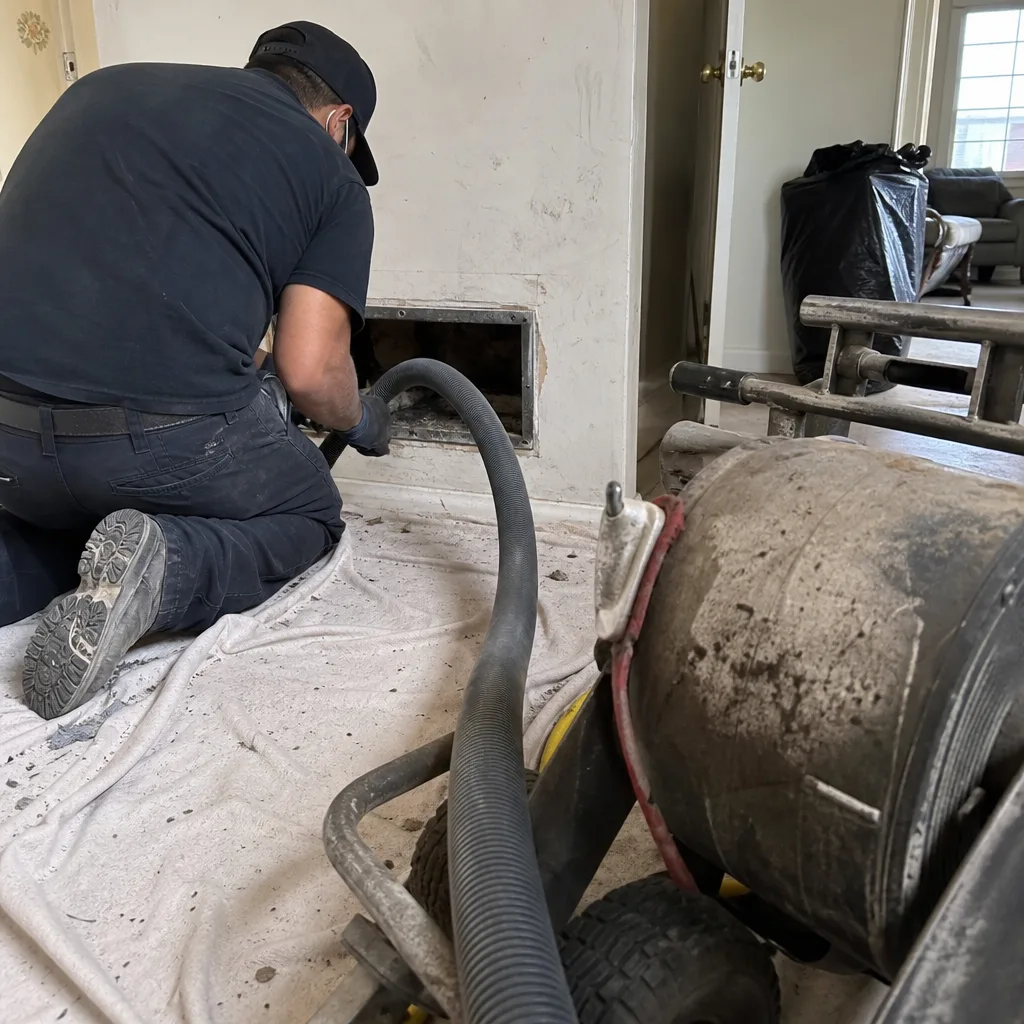 Before
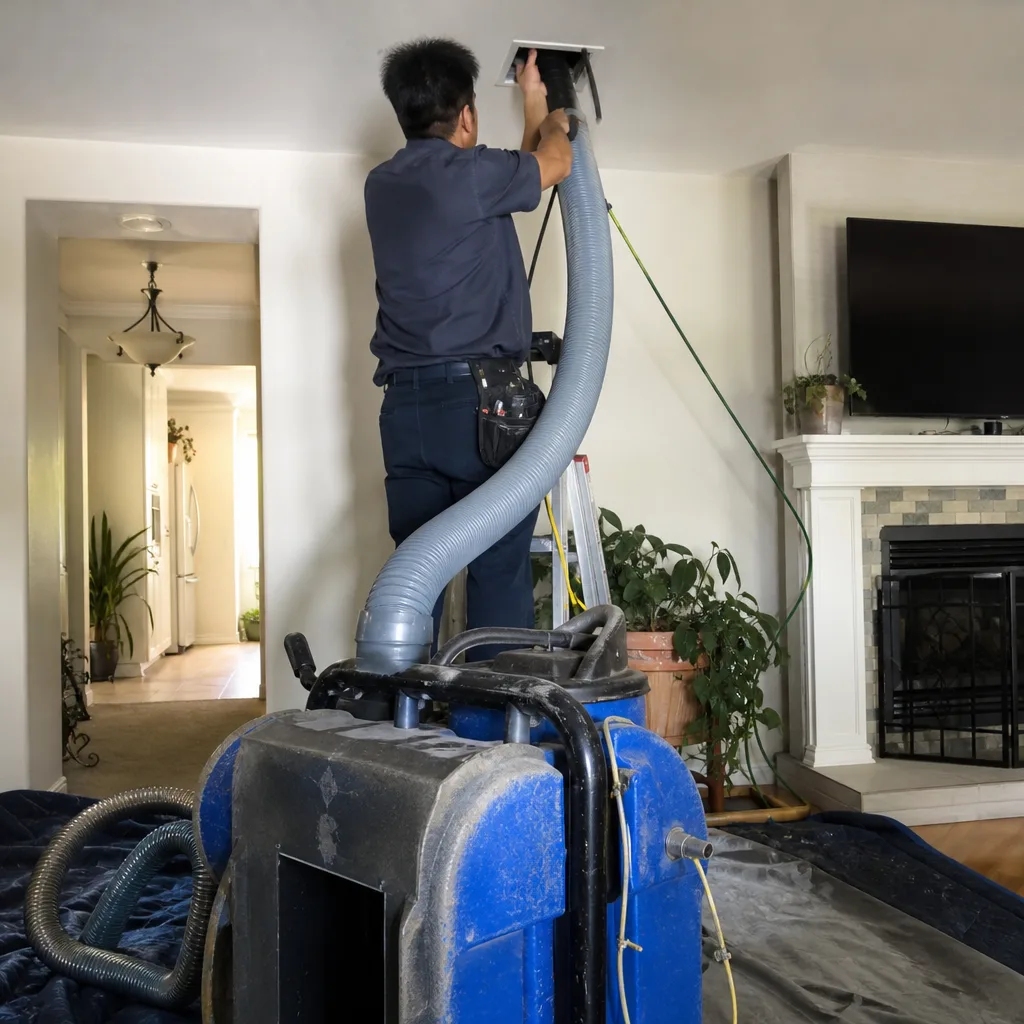 After