
Last updated November 2, 2026
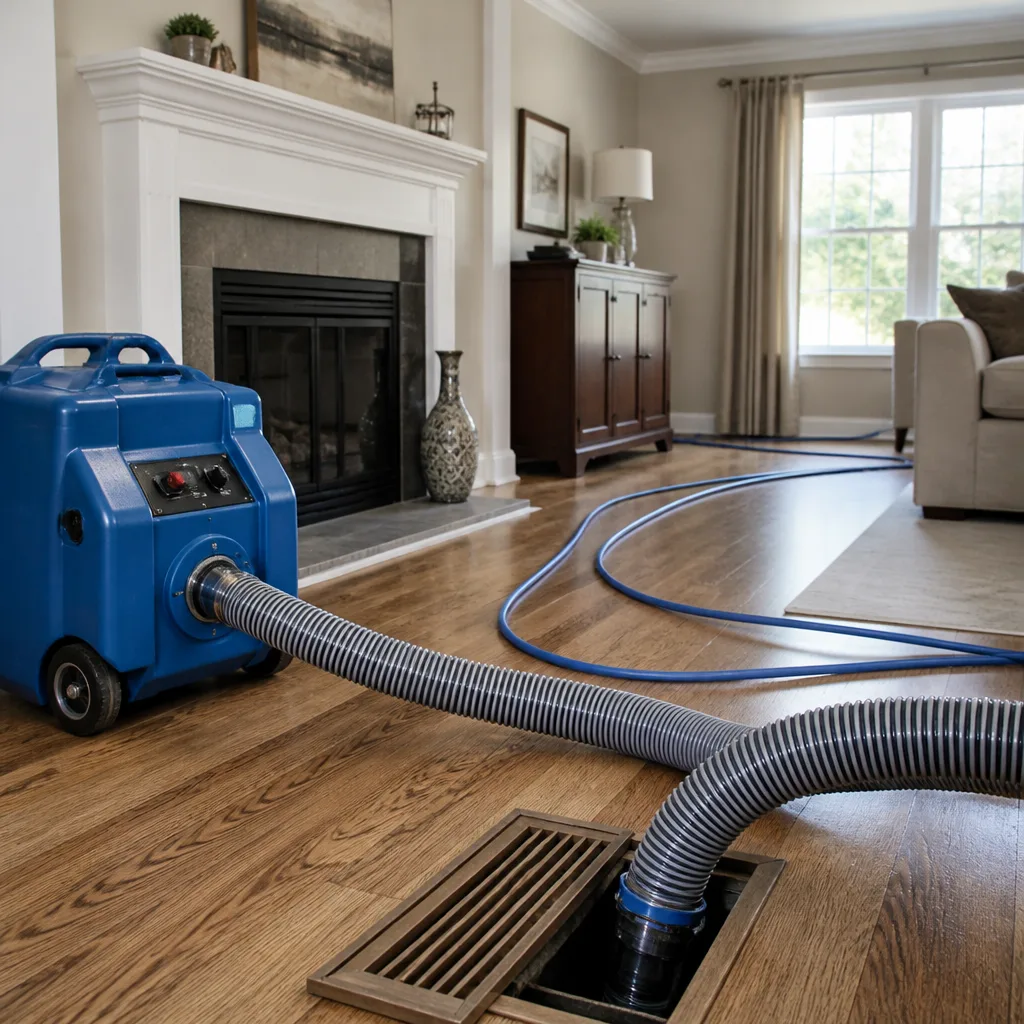 Whole-home duct cleaning
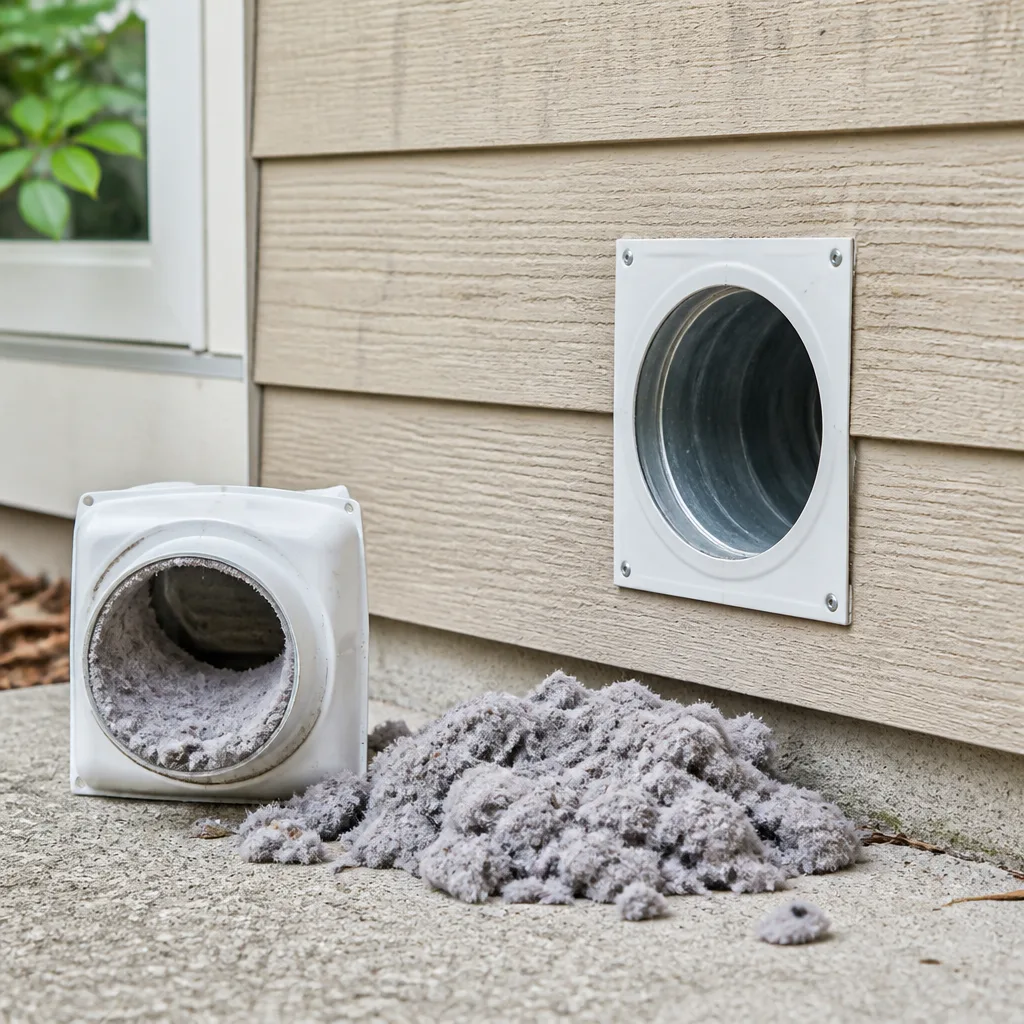 Dryer vent cleaning
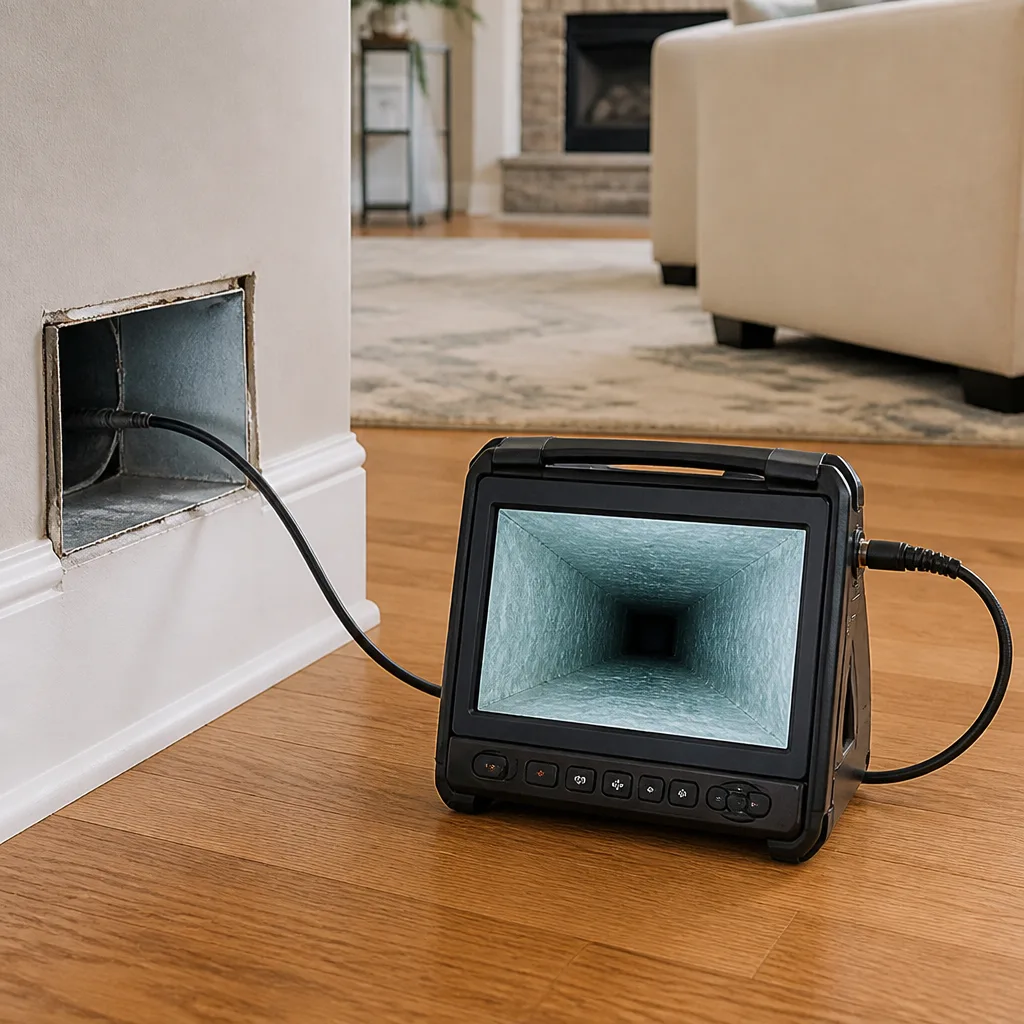 Camera inspection
 Sanitizing & deodorizing
Whole-system duct and dryer vent check with before-and-after photos - you see exactly what came out of your vents
That "$99 whole-house special" is a bait ad - the real number appears once they are in your hallway, or the "clean" is a shop-vac at the register. We photograph the inside of your ducts before and after instead.
Air Duct Cleaning Emergency Preparedness Guide for San Pedro Homes
During the 2025 LA County wildfire events, something counterintuitive happened across San Pedro: homes with HVAC systems left running on “auto” were actively pulling smoke-laden outdoor air through their ductwork and distributing it through every room. The system designed to protect the household became the infiltration path. This guide is written for San Pedro homeowners who want a concrete, equipment-focused plan for what to do with their duct system before, during, and after an air quality emergency. You’ll learn the shutdown sequence, filter timing, post-event assessment criteria, documentation for insurance claims, and the preventive sealing work that makes all of it easier. San Pedro sits between wildfire exposure on one side and port-adjacent industrial air on the other, which means duct preparedness here isn’t theoretical.
Quick Answer
Air duct emergency preparedness for San Pedro homes means having a written HVAC protocol that covers three phases: pre-event sealing and filter upgrades, active-event system shutdown or recirculation decisions, and post-event duct assessment before restart. For wildfire smoke, the key move is installing a MERV-13 or better filter before the event arrives, then shutting the system down entirely during peak smoke unless you have verified high-efficiency filtration and sealed ductwork. For port-related chemical or diesel events in the 90731 zone, full shutdown with windows sealed is the default unless emergency services advise otherwise. After any significant air quality event, the duct system needs inspection, and in many cases professional cleaning, before the furnace or AC is turned back on.
Styles & brands we work with
- Whole-home duct cleaning
- Dryer vent cleaning
- Camera inspection
- Sanitizing & deodorizing
Table of Contents
- The San Pedro Air Risk Profile
- Preparing Your Duct System Before an Emergency
- The Wildfire Smoke Protocol
- Port Incident Exposure: What to Do
- Post-Emergency Duct Assessment
- Duct Sealing as Your Best Preventive
- Insurance Documentation Checklist
- Common Mistakes to Avoid
The San Pedro Air Risk Profile
San Pedro occupies a specific position on the air quality map of Los Angeles County. We’re bordered by the Port of Los Angeles on one side, with its diesel truck traffic, ship emissions, and occasional industrial incidents, and we’re downwind of wildfire-prone hills on the other. The 90731 ZIP code consistently shows particulate matter fluctuations that don’t match inland neighborhoods. This isn’t a judgment on living here; it’s a data point that changes how you maintain a forced-air HVAC system.
When outdoor air quality drops, your home’s ductwork is either a barrier or a highway. Ducts are designed to move air from your furnace or AC into living spaces. Most systems pull some outdoor air through return leaks, especially in older San Pedro homes where duct connections have loosened over decades of salt air and temperature swings near the coast. A system with sealed ducts and a high-efficiency filter can ride out moderate smoke events. A system with leaky returns and a fiberglass filter is actively importing whatever is outside.
What this means for emergency planning
Emergency preparedness for air ducts isn’t about having a go-bag. It’s about knowing whether your HVAC system helps or hurts during the specific air events most likely to hit San Pedro. The two scenarios that matter most are wildfire smoke, which tends to arrive as a multi-day regional event, and port-related incidents, which are usually shorter but potentially involve chemical compounds that behave differently than smoke particulate. Each requires a different HVAC response.
We’ve worked on duct systems across San Pedro, from the hills above Western Avenue down to the flats near Gaffey Street, and the pattern is consistent: older homes have more return-side leakage, which means more outdoor air entering the system independent of what you set on the thermostat. That’s the first thing to understand before any emergency happens. Your filter only cleans air that passes through it, and your ducts only protect you if they’re not pulling in unfiltered outside air.
Preparing Your Duct System Before an Emergency
Preparation is where San Pedro homeowners get the highest return on effort. Once an air quality advisory is issued, your options narrow dramatically. Before that happens, you have time to make the system more resilient. Here’s what we recommend, in order of impact.
1. Know your current filter situation
Walk to your furnace or air handler and look at the filter. Pull it out and check the edge for a MERV rating. If it says MERV-8 or lower, or if it has no visible rating, your system is not filtering wildfire smoke effectively. A MERV-13 filter captures the fine particulate matter that dominates wildfire smoke; a basic fiberglass filter lets most of it through. This is a $20 to $40 upgrade that takes five minutes and is the single most effective change most San Pedro households can make today.
2. Upgrade to MERV-13 before the event, not during
There’s a timing component here that matters. When smoke is already in the air, a MERV-13 filter loads up quickly. That’s fine; that’s its job. But if you wait until the advisory hits to buy one, stores sell out. We saw this in 2025 across the South Bay. Keep a sealed MERV-13 filter on the shelf next to your furnace, not a defensive purchase but a stored resource. Check that your system’s blower can handle the higher resistance of MERV-13; most modern systems can, but if you have a very old air handler, a MERV-11 with a sealed filter rack is the compromise position.
3. Get your ducts assessed for leakage
The equipment matters, and so does what it’s attached to. A system pushing air through leaky return ducts is pulling attic air, crawlspace air, and outdoor air into the living space regardless of filter choice. We use negative-air testing and pressure diagnostics to identify where returns are pulling from. In our experience with San Pedro homes, the return plenum and the first few feet of return duct are the most common leakage points. Sealing those specific areas reduces outdoor air infiltration during an event more than any filter change will.
For homeowners ready to take this step, air duct cleaning in your San Pedro home combined with sealing is the most complete pre-emergency upgrade available. Cleaning removes the accumulated dust and particulate already coating the duct walls, while sealing closes the leakage paths that would import new particulate during the next event.
The Wildfire Smoke Protocol
When an air quality advisory is issued for San Pedro due to wildfire smoke, the decisions you make in the first hour matter. Here is the protocol we recommend, step by step.
- Switch the thermostat fan from “Auto” to “Off.” Auto mode runs the blower on its own schedule, cycling air even when the system isn’t heating or cooling. That cycle pulls air through the return ducts and, if they leak, through the envelope of the home. Turning the fan to Off stops mechanical air movement through the system.
- If you have a dedicated “Recirculate” or “Fan Only” mode with confirmed clean ducts and a MERV-13 or better filter, use it sparingly. Recirculation keeps air moving through the filter without pulling from the outdoor condenser. This is only protective if your ducts are sealed and your filter is high-efficiency. If you’re unsure about either, skip to step 3.
- Full shutdown for unverified systems. If you don’t know your duct leakage status or your filter is below MERV-13, shut the system down entirely. The exception: if indoor temperatures become dangerous (heat emergency), prioritize human safety and run the system on recirculate with the best filter you have.
- Close all windows and exterior doors, and keep them closed. This is obvious but frequently violated after day one when the house feels stuffy. Every time the door opens, the house depressurizes and pulls air through the duct system, even if the fan is off.
- Seal off unused rooms and close interior doors to reduce total air volume. This limits where smoke particulate can settle and makes post-event cleaning more manageable.
The goal during a smoke event is not to “clean the air” with the HVAC system. Most residential systems can’t do that effectively for wildfire smoke. The goal is to keep outdoor air out and stop the system from becoming a distribution mechanism for whatever got in.
Port Incident Exposure: What to Do
Port-related air incidents in San Pedro are different from wildfire smoke in two ways: they tend to be shorter in duration and may involve chemical compounds rather than primarily wood-smoke particulate. Diesel soot from a truck fire, a chemical release from a container, or heavy industrial emissions all have different particulate profiles than wildfire smoke, which means the HVAC response is slightly different.
If an air quality advisory is issued for the 90731 zone due to a port incident, the default is full shutdown. Close the system down, close windows, and wait for the all-clear. Unlike wildfire smoke, which is mostly fine particulate that a MERV-13 filter can meaningfully reduce, some chemical compounds pass through even high-efficiency filters. A filter catches particulate; it does not capture volatile compounds or gases. Running the system during a chemical event can pull those compounds into the home and hold them in the ductwork, from which they’ll off-gas for days or weeks.
After the all-clear
Once the advisory lifts for a port incident, assess before you restart. If the event involved visible smoke or diesel soot, check the filter. If it’s loaded or visibly darkened, replace it. If you smell residual odors inside the home, the ducts may have absorbed compounds during the event. This is a situation where professional assessment makes sense; our experience with post-incident duct inspection involves checking for soot deposition on the blower wheel and inside return boots, which indicates the system pulled contaminated air through. In those cases, cleaning is the right call before the system runs regularly again. Air duct cleaning in San Pedro focuses on removing exactly this kind of deposited particulate, using contact-vacuum systems like Rotobrush that dislodge and simultaneously extract debris, rather than simply blowing it further into the duct runs.
Post-Emergency Duct Assessment
After any significant air quality event, the question is whether your ducts need professional cleaning before you restart the system. Here’s how to assess honestly.
What smoke and particulate infiltration looks like internally
When smoke or particulate-laden air moves through a duct system, it deposits material in predictable places. The blower wheel picks up a fine coating. Return boots, where air enters the system, show dark streaking. Supply registers may show dust that wasn’t there before. The filter is your first indicator: if it’s loaded with visible soot or particulate, the system was moving contaminated air. Remove it carefully and photograph it before disposal.
When filter replacement alone is sufficient
If the event was short, the system was shut down promptly, and the filter (which should have been MERV-13 or better) shows moderate loading, replacing the filter may be enough. Run the system for 15 minutes after replacement, then remove the new filter and check it. If it’s clean after a brief run, light particulate settled on the filter, not the duct walls.
When professional cleaning is required before restart
Professional cleaning is the right call when: the event involved multiple days of exposure, the system ran during the event, the filter was below MERV-10 during exposure, or you can see visible soot staining on supply registers or return grilles. Smoke particulate is oily and adheres to duct walls; it doesn’t just blow out with the next cycle. When it sits, it continues to release odors and particles into the living space, and it can coat the blower motor over time. We’ve inspected San Pedro systems after the 2025 fires where the duct interior looked fine but the blower wheel was coated in a fine soot layer that caused a motor imbalance and a noticeable smell every time the heat kicked on. This is what we mean by assessment before restart; the visible register is not always where the problem lives.
For a full post-event cleaning, we run negative-air containment using Abatement Technologies HEPA filtration alongside contact-vacuum brushing. The negative-air setup means that as debris is dislodged from the duct walls, it’s drawn out of the system and captured rather than pushed into the living space. This containment approach is the difference between cleaning ducts and redistributing particulate into rooms you’ve already cleaned.
Duct Sealing as Your Best Preventive
Of everything discussed in this guide, pre-event duct sealing is the highest-value preventive investment for San Pedro homeowners. A sealed duct system means that when an air quality emergency arrives, your home’s air exchange rate drops. The system isn’t pulling outdoor air through leakage points in the return side every time the furnace or AC cycles, and the building envelope holds its indoor air longer.
Why sealing matters more than cleaning for emergency prep
Cleaning removes what’s already in the ducts. Sealing stops new contaminants from entering during the next event. Both matter, but in an emergency context, sealing is the one that changes how the home behaves when the air outside goes bad. We’ve pressure-tested San Pedro homes where the return side pulled air from the crawlspace, the garage, and even through wall cavities. A system like that is effectively running outdoors-plus-furnace air through the house regardless of the filter. Sealing those paths, using mastic or compliant sealant materials, converts the duct system from a liability to a neutral during an event.
Sealing is also permanent. Once those leakage paths are closed, they stay closed unless the ducts are disturbed. The work pays off every day, not just during emergencies, by improving system efficiency and reducing indoor dust. But the emergency-specific value is the one most San Pedro homeowners don’t think about until the advisory hits, and by then, every contractor is booked.
What sealing involves
A professional sealing job starts with locating the leaks. We use pressure testing and visual inspection of all accessible duct sections, which in most San Pedro homes means the attic, the garage, or the crawlspace depending on the house layout. The leaks are sealed with mastic or aluminum tape (not fabric duct tape, which fails in attic heat), and the system is re-tested to confirm improvement. If your ducts also need repair, air duct repair in San Pedro through the same visit covers both, so the system isn’t left half-finished.
Insurance Documentation Checklist
If an air quality event damages your home’s HVAC or duct system, or if indoor air quality becomes part of a broader claim, documentation makes the difference between a covered repair and a denied one. Here’s the checklist we recommend to San Pedro homeowners.
- Photograph the filter before and after the event. Write the date and time on a piece of paper, place it next to the filter, and take clear photos of both sides. A visibly loaded filter with a date stamp is strong evidence of exposure.
- Record AQI levels during system operation. Note the AQI readings from sources like AirNow or PurpleAir, with timestamps, if the system ran during the event. This establishes the environmental conditions the system was exposed to.
- Document system settings. A photo of the thermostat showing the fan mode and temperature during the event supports the sequence-of-operations story.
- Log any odors, visible soot, or health symptoms with dates. Specifically note when smells started, where they’re strongest, and any respiratory reactions in household members.
- Get a professional assessment report after the event. Before filing a claim related to duct contamination, have a professional inspect and document the system’s condition. The report should note visible soot, filter condition, blower wheel status, and recommended remediation. This third-party documentation anchors your claim.
- Keep receipts for all filters, cleaning, and sealing work. These establish the maintenance history and post-event response.
The pattern with indoor air quality claims is that insurance adjusters look for evidence that the homeowner’s duct system was properly maintained before the event and appropriately addressed after it. A documented pre-event filter upgrade to MERV-13 and a post-event professional assessment are the strongest pieces of that puzzle. Without them, a claim rests on assertion.
Common Mistakes to Avoid
- Running the system on “Auto” during a smoke event. Auto mode cycles the blower independently of heating or cooling calls, which means the system is actively pulling air and distributing whatever’s in it, even if the outdoor air is hazardous.
- Upgrading the filter after the smoke arrives. By the time the advisory is issued, stores in San Pedro and the South Bay are often sold out of MERV-13 filters. Buy one before you need it; keep it sealed and ready.
- Cleaning ducts as an emergency response. Duct cleaning during an active smoke event doesn’t make sense; the system will just re-contaminate as long as outdoor air is still hazardous. Wait for the event to pass, then assess.
- Assuming a filter alone makes the system protective. A high-efficiency filter only affects air that passes through it. If the return ducts are leaky, unfiltered outdoor air bypasses the filter entirely and enters the living space through the leakage path.
- Using a portable air purifier as a substitute for system management. A room purifier improves the room it sits in. It doesn’t stop the HVAC system from distributing contaminated air through leaky ducts to the rest of the house.
- Skipping documentation for “minor” events. What looks minor in the moment (a filter that’s dirty but not wrecked, a faint smell) can become a claim issue later. Two minutes of photos and notes costs nothing and can anchor a future claim.
When to Call a Professional
Call a professional when you see visible soot on registers or grilles after an event, when you smell smoke or chemical odor from the vents, when the filter repeatedly loads quickly after replacement, or when the blower motor makes noise that wasn’t there before. These are mechanical signals that particulate has moved through the system and deposited where it doesn’t belong. Also call before any planned repair or sealing work; attempting to seal ducts without pressure testing first means you’re sealing blind, which rarely addresses the actual leakage points. Air Duct Cleaning San Pedro offers free estimates in San Pedro. Call (877) 573-0759 and we’ll assess the system, show you what we find, and give you a flat price before any work starts.
See the difference
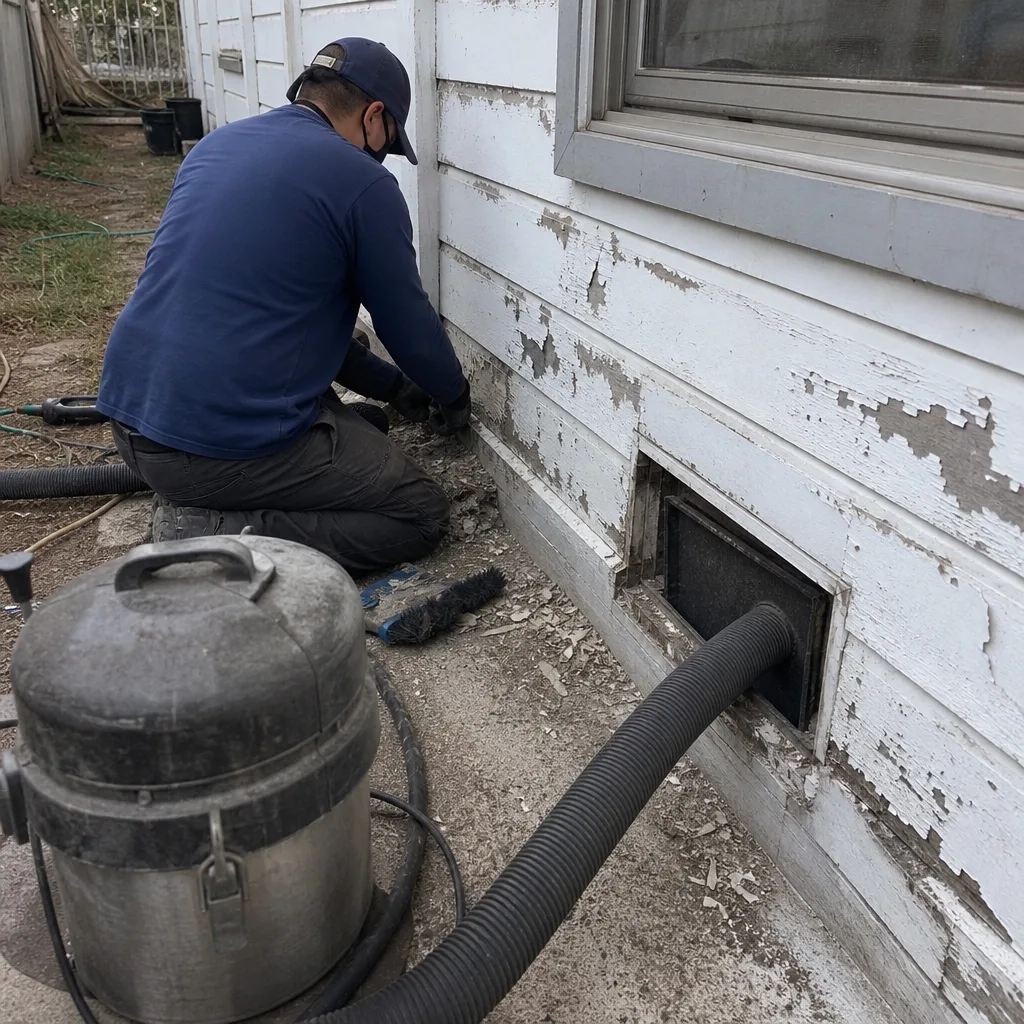 Before
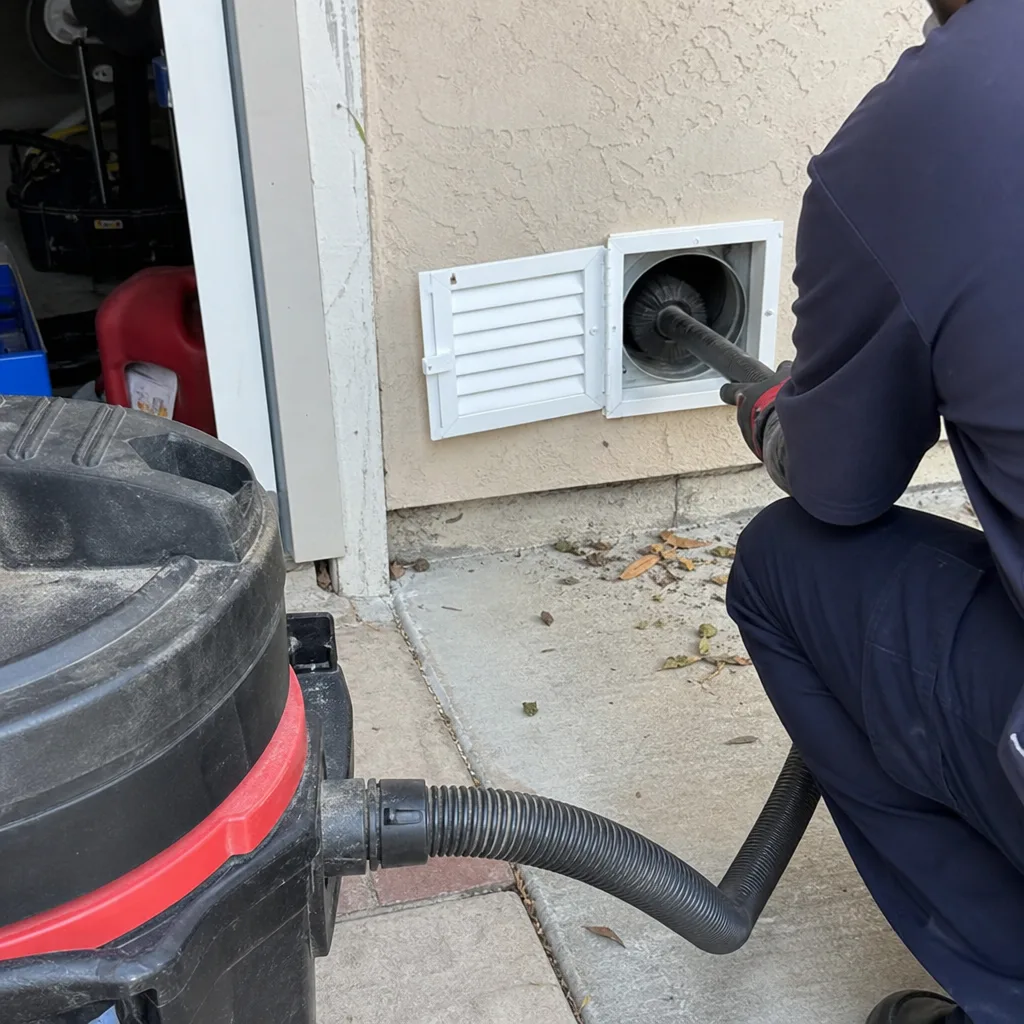 After
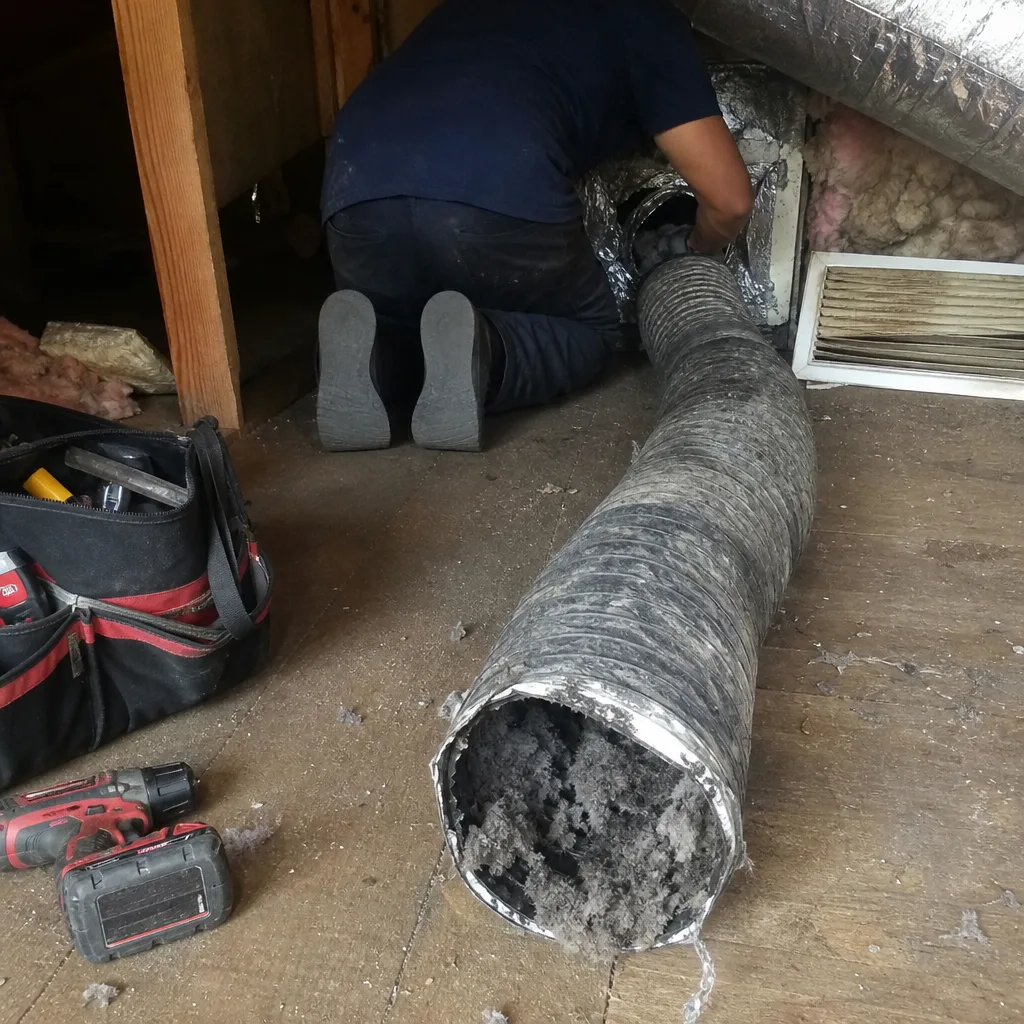 Before
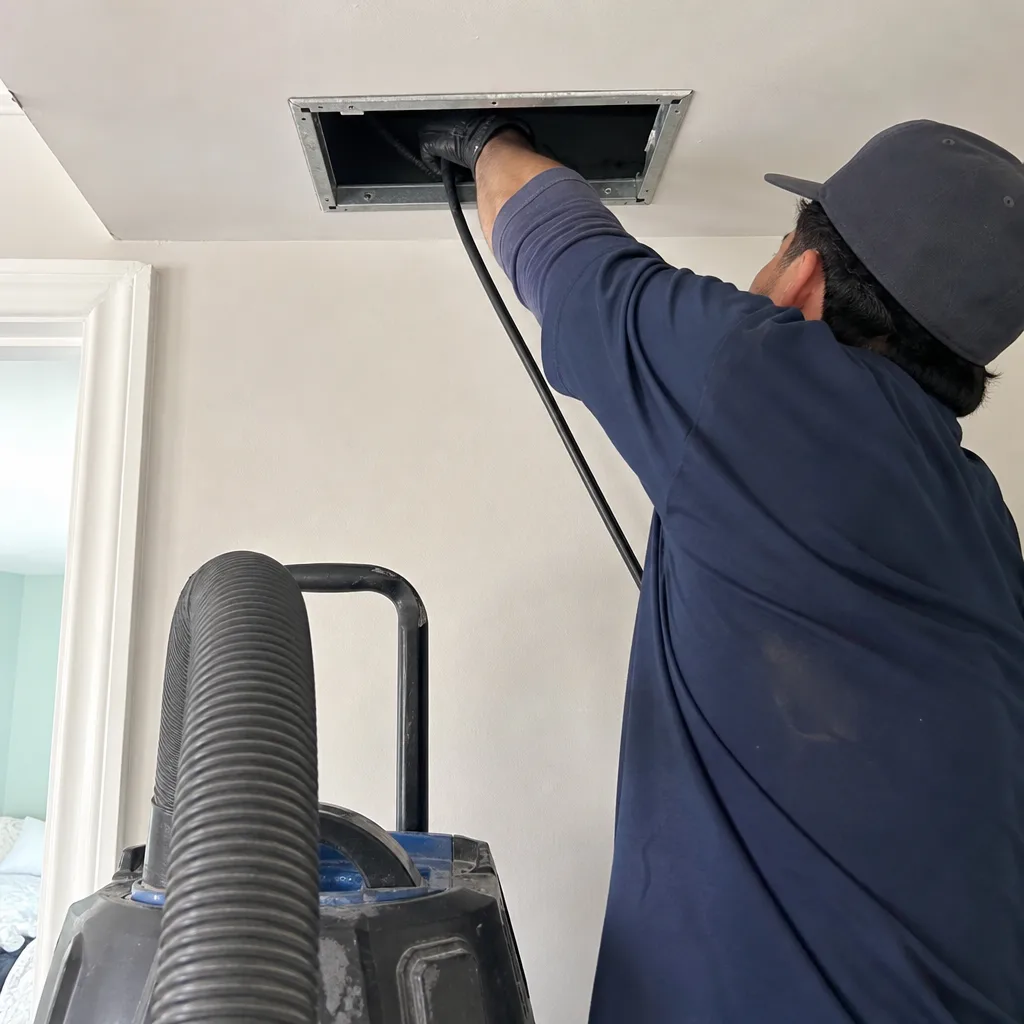 After
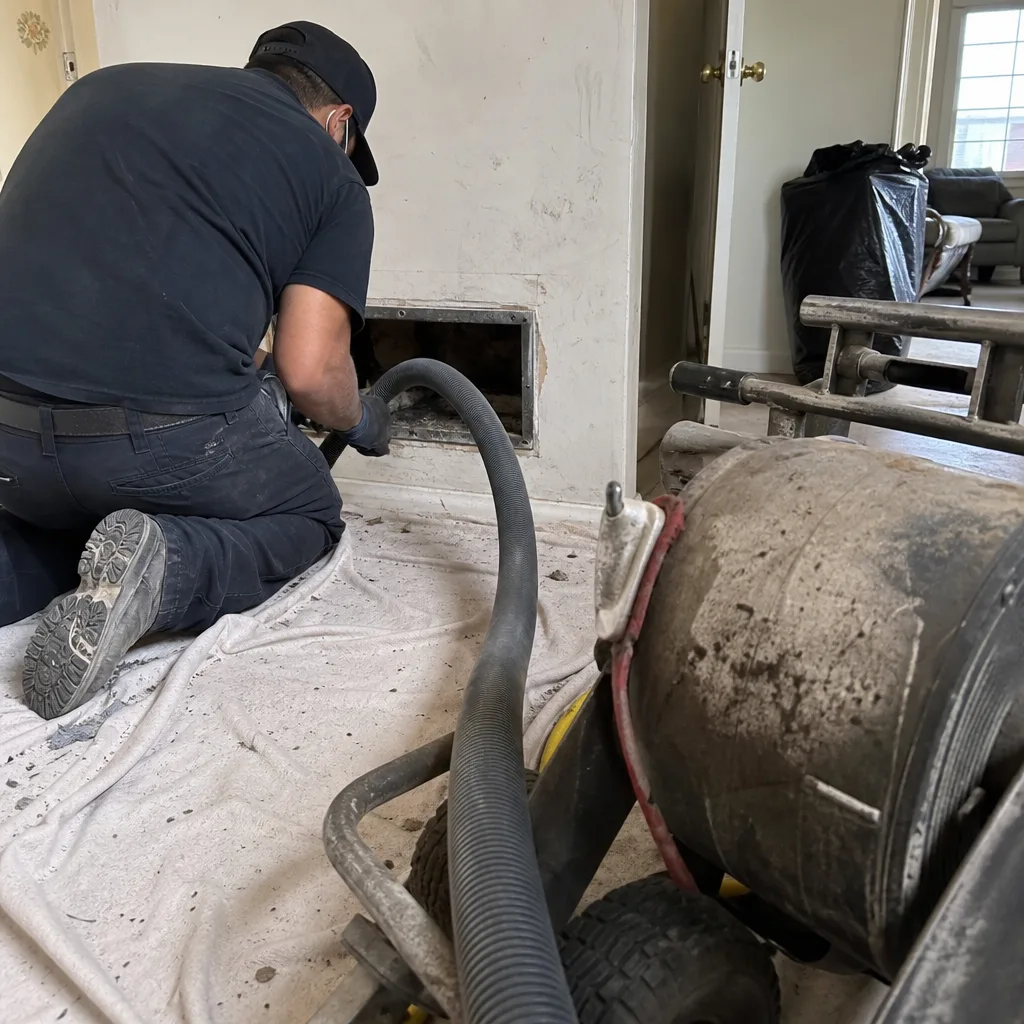 Before
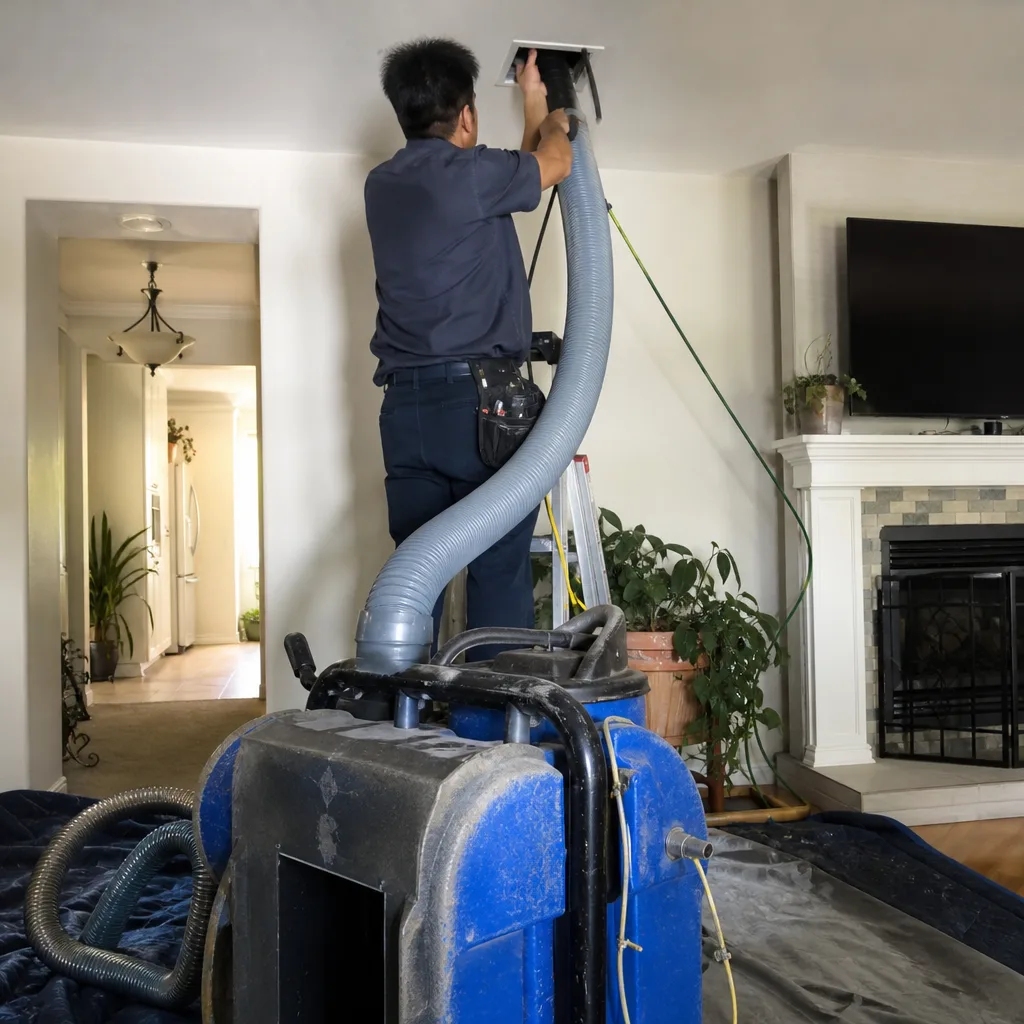 After
Frequently Asked Questions
How often should I really clean my air ducts in San Pedro?
Every three to five years for most San Pedro homes, with two local adjustments: homes closer to the port or industrial corridors should consider a three-year cycle due to diesel particulate, and homes that experienced any wildfire smoke exposure with system operation during the event should be cleaned sooner rather than waiting for the calendar. Visit Air Duct Cleaning in San Pedro for more details on our process and what we check.
What MERV rating filter should I use for wildfire smoke?
MERV-13 minimum for wildfire smoke, and it should be installed before the event, not when the advisory hits. MERV-13 captures the fine particulate that dominates wildfire smoke; lower ratings let most of it through to your ducts and living space.
Why are some air duct cleaning quotes so much cheaper?
Price differences usually reflect equipment and scope. A low-bid service often uses a shop vac and a brush, which dislodges some dust but doesn’t extract it from the system, and it skips the containment step entirely. We operate Rotobrush contact-vacuum systems and Nikro professional equipment, with Abatement Technologies negative-air containment on board, so debris is extracted and captured rather than blown around. The price reflects the equipment and the thoroughness of the containment, not just the hour of labor. Call (877) 573-0759 for an exact quote.
How do I know the duct cleaning actually worked?
A credible cleaning shows you before-and-after photos of the inside of your ducts, specifically the return boots, the plenum, and a representative supply run. We photograph these access points during the job so you can see the difference, not just take our word for it. If a company won’t show you the inside of the system, that’s an answer in itself.
Can I clean my own ducts to save money?
You can replace filters and vacuum registers; beyond that, residential duct cleaning requires equipment reach and inspection access that consumer tools don’t have. The blower wheel, coil, and interior runs are the problem areas, and they’re not accessible without proper tools. More importantly, agitating duct debris without containment just moves it into the living space. This is where the equipment matters: the difference between a Rotobrush contact-vacuum pass and a shop vac is the difference between extraction and relocation.
Why should I choose the same company for cleaning and repair?
Because half a job with a second contractor waiting is expensive and slow. When we clean a system and find a leak, a failed seal, or a separated connection, air duct repair in San Pedro happens in the same visit. You don’t get a “talk to another company” answer; you get the problem fixed while the system is already opened up. The same applies to dryer vents, which are a fire risk and need their own dedicated cleaning; see our dryer vent cleaning in San Pedro service for that.
The Bottom Line
Emergency preparedness for your home’s duct system in San Pedro comes down to three phases. Prepare before: upgrade to MERV-13, seal your ducts, and know your filter’s condition. Respond during: shutdown or recirculate based on what you actually know about your system’s leakage and filtration, not on guesswork. Assess after: check the filter, check the registers, and get a professional inspection if the system ran during exposure or visible soot. The homes that fail this test are the ones that treat the HVAC system as a background appliance until the smoke arrives. The homes that pass are the ones that treated the duct system as infrastructure, deserving of the same preparation as a go-bag or an evacuation plan.
Written by the team at Air Duct Cleaning San Pedro, serving San Pedro since 2017.