
Last updated November 3, 2026
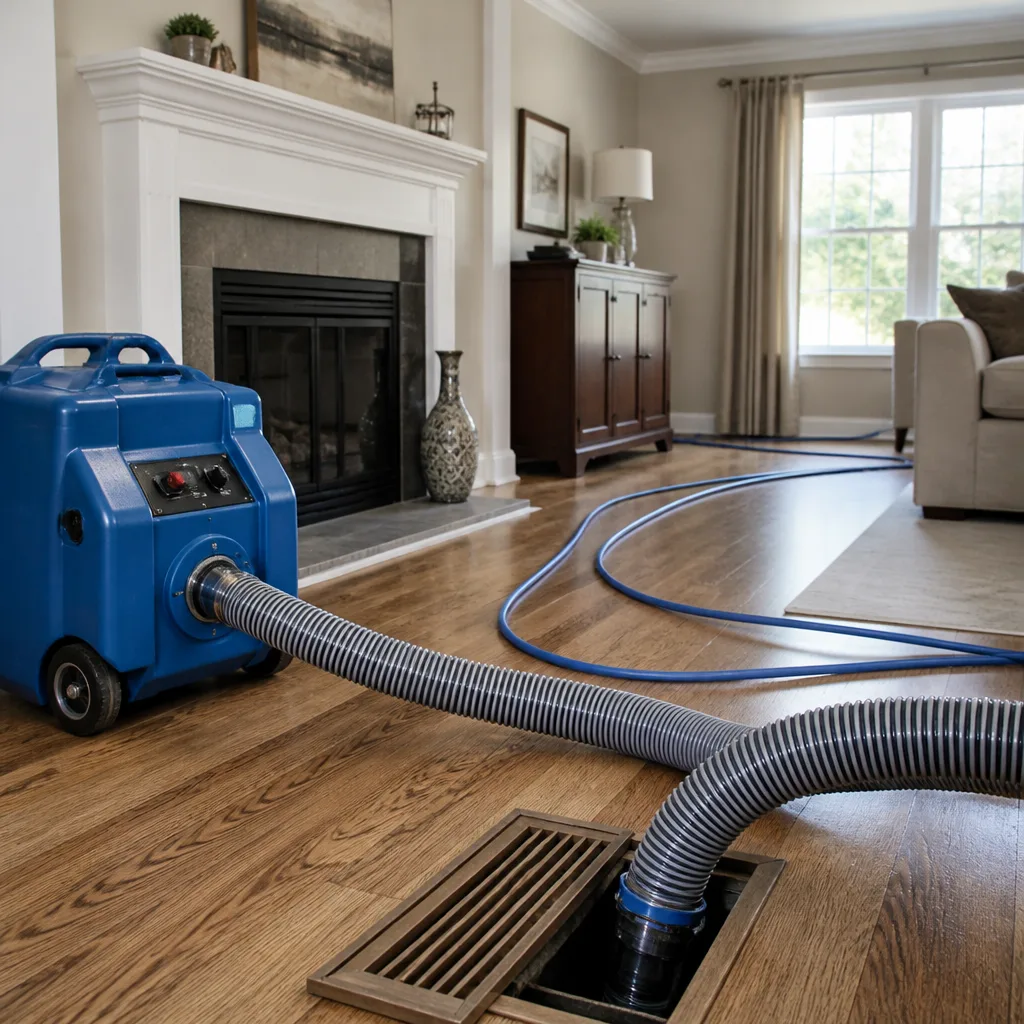 Whole-home duct cleaning
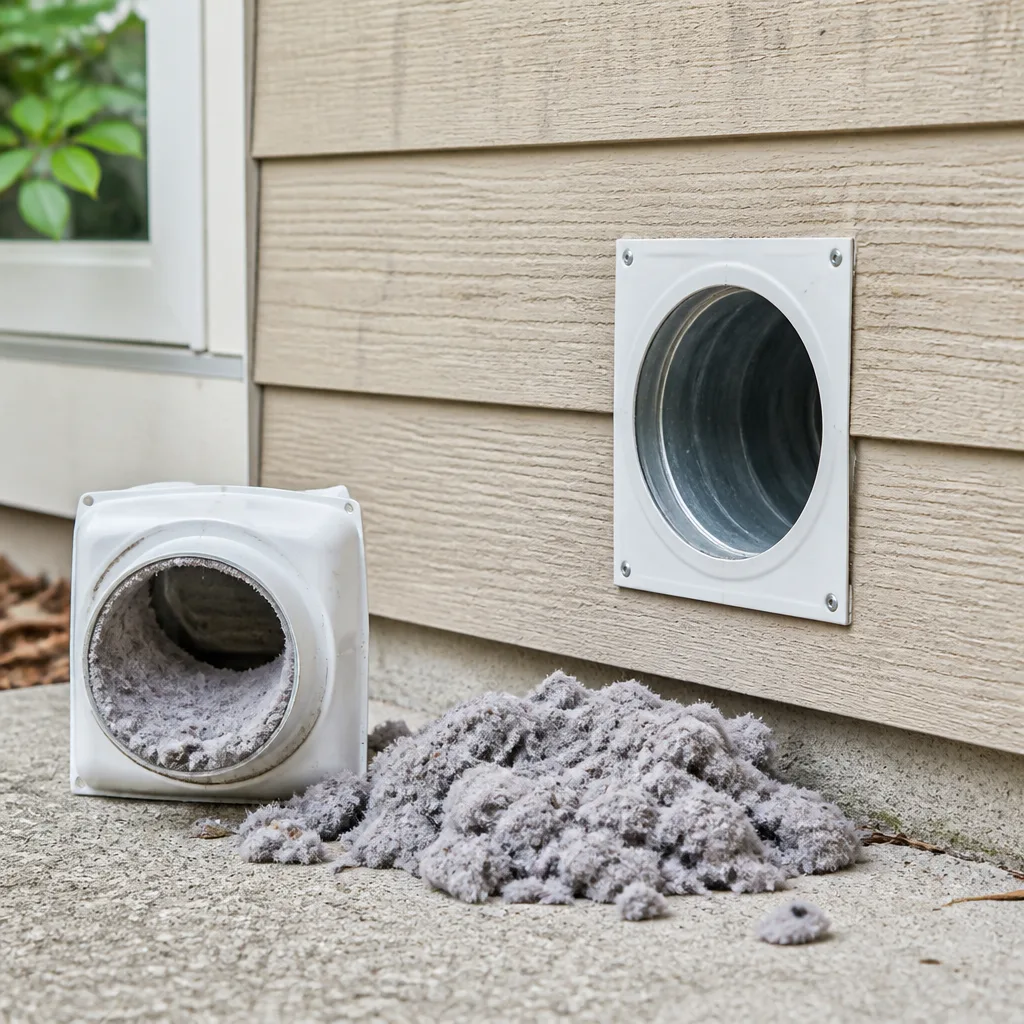 Dryer vent cleaning
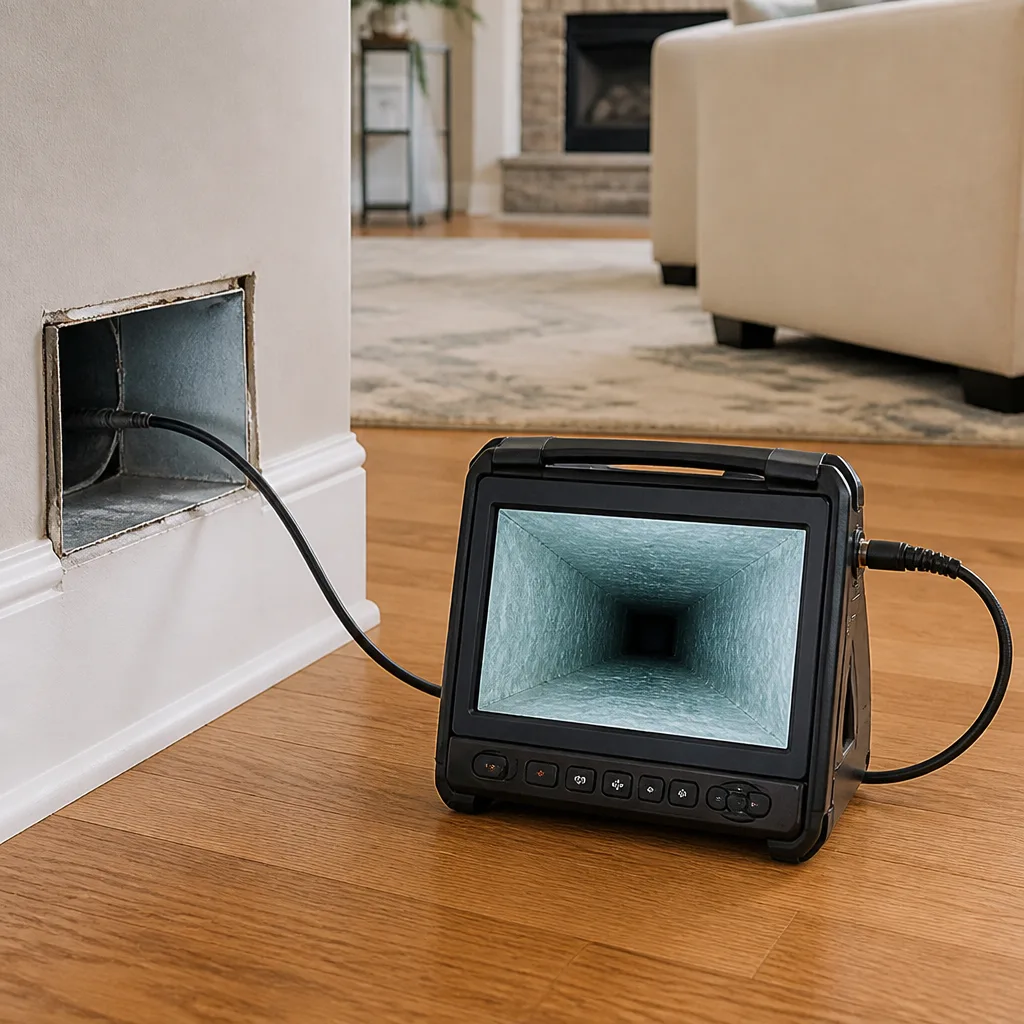 Camera inspection
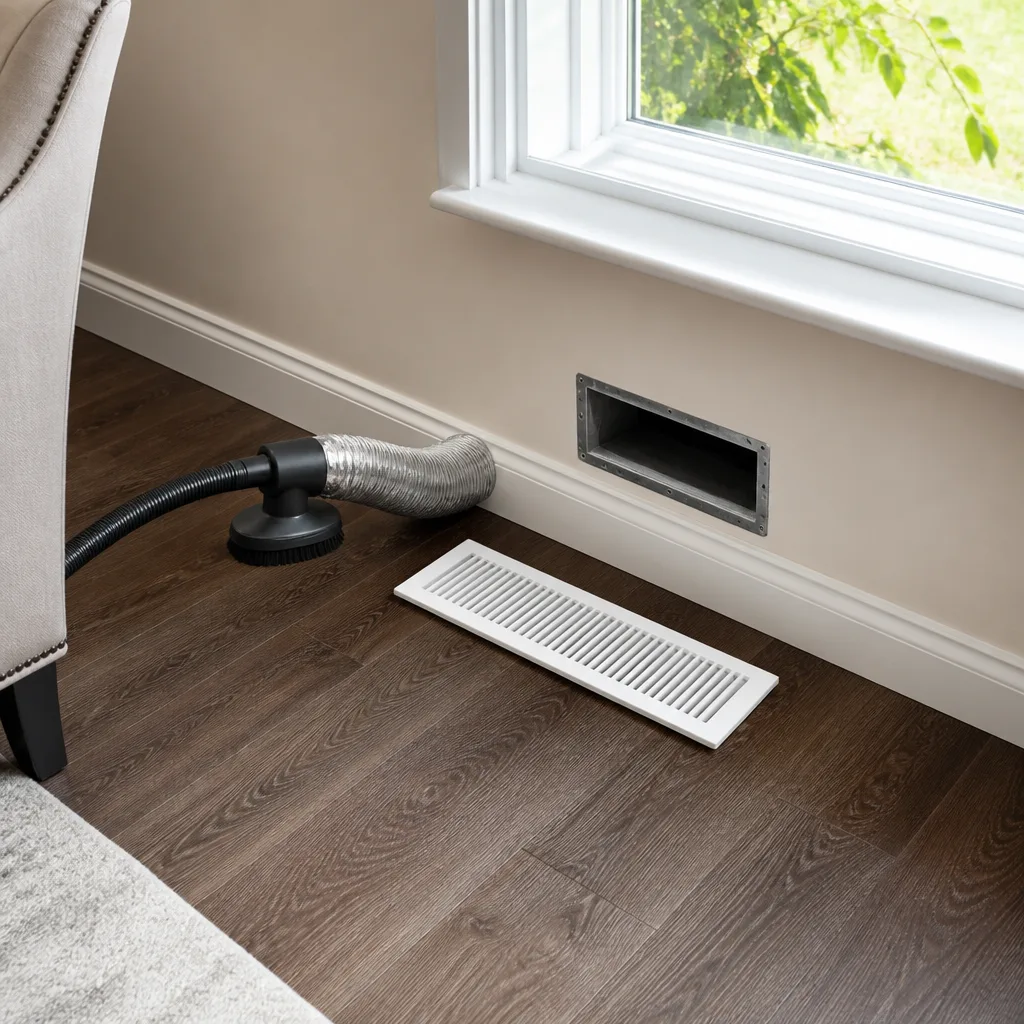 Sanitizing & deodorizing
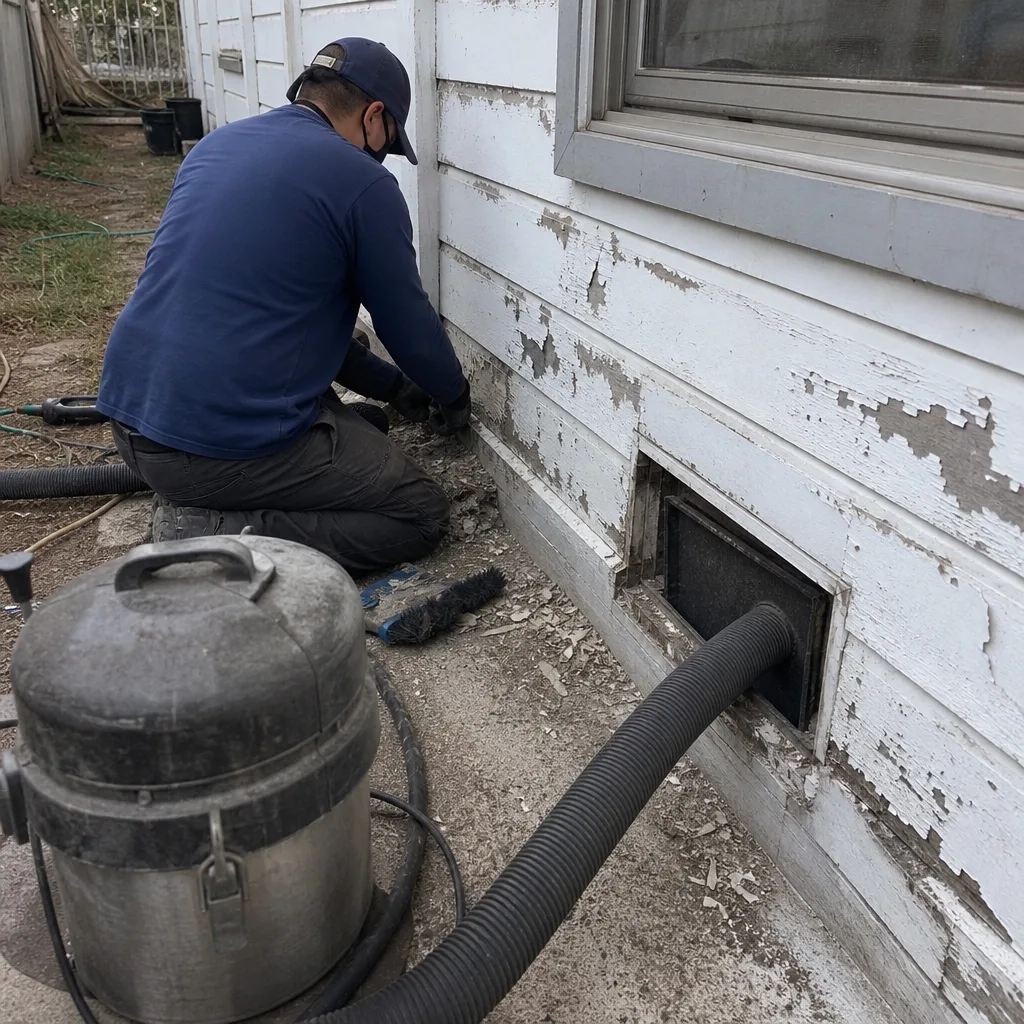
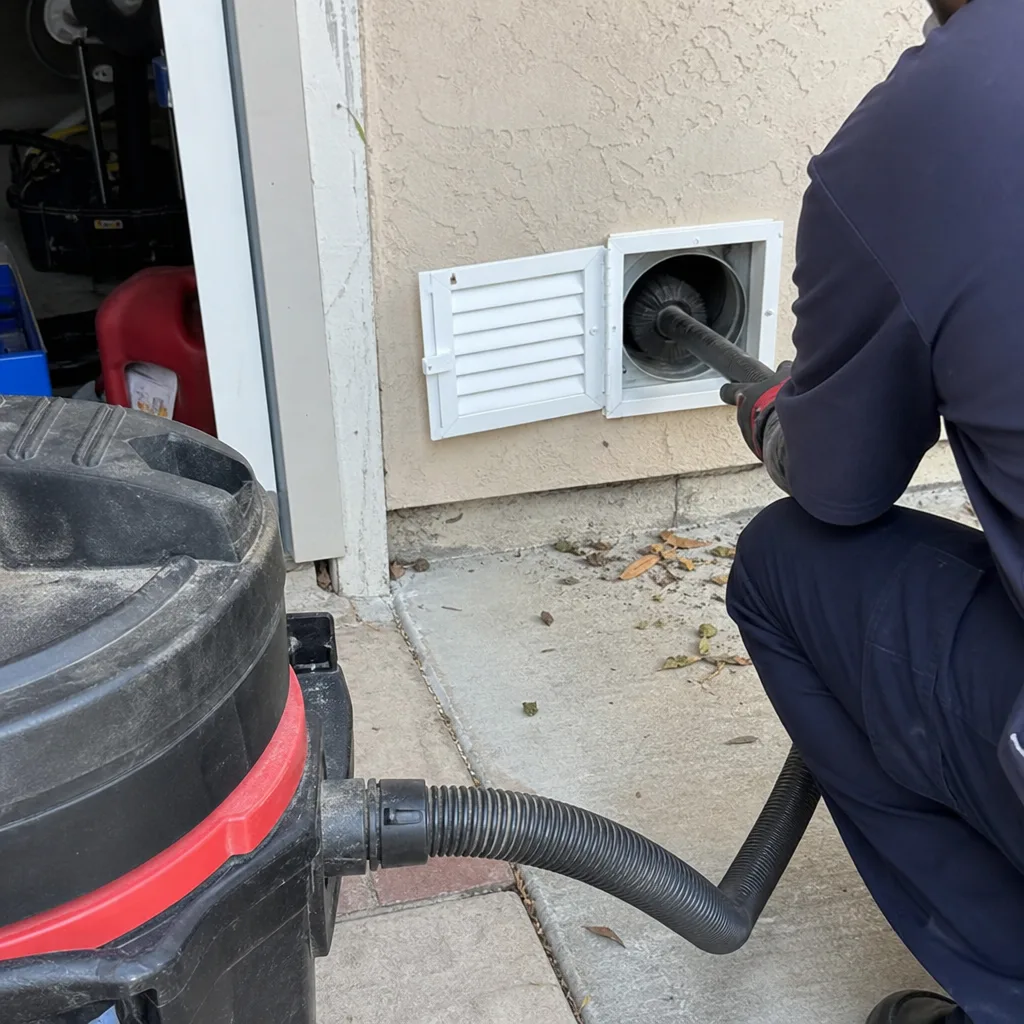
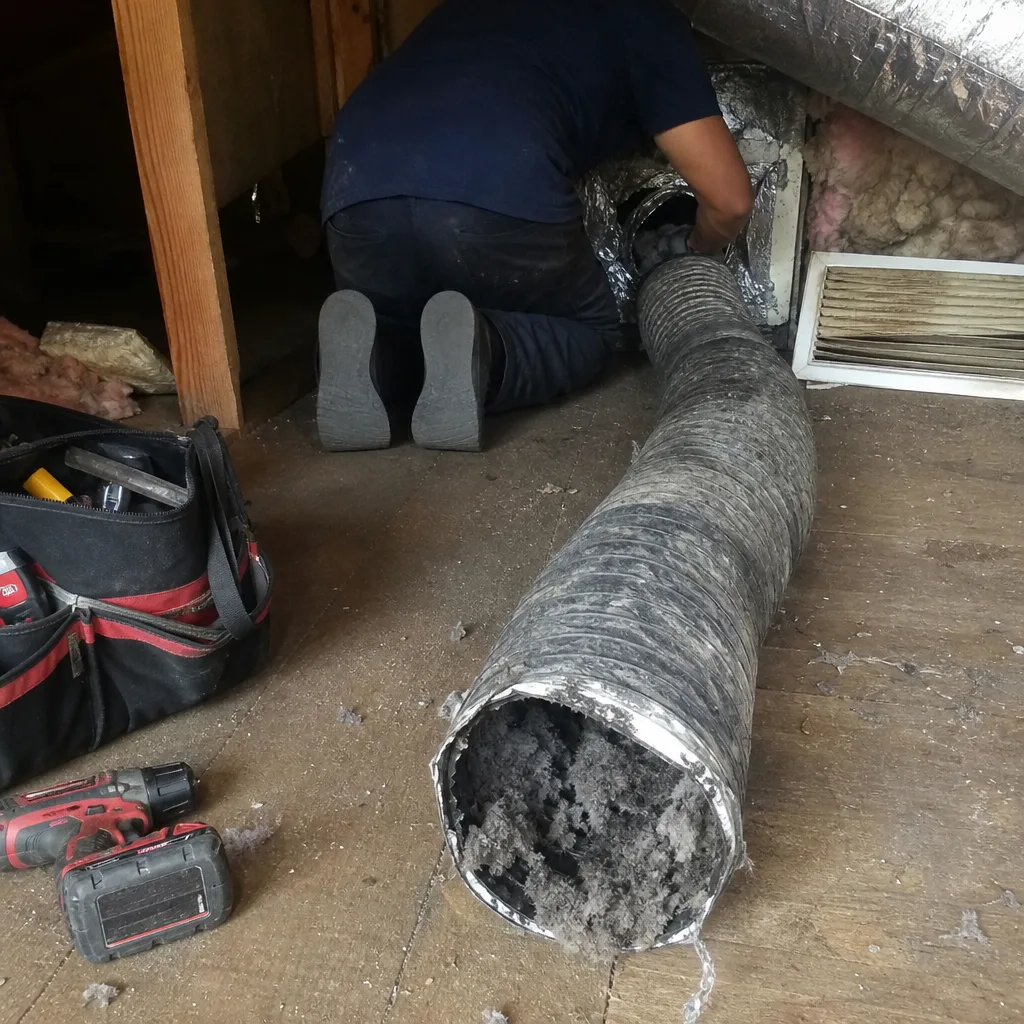
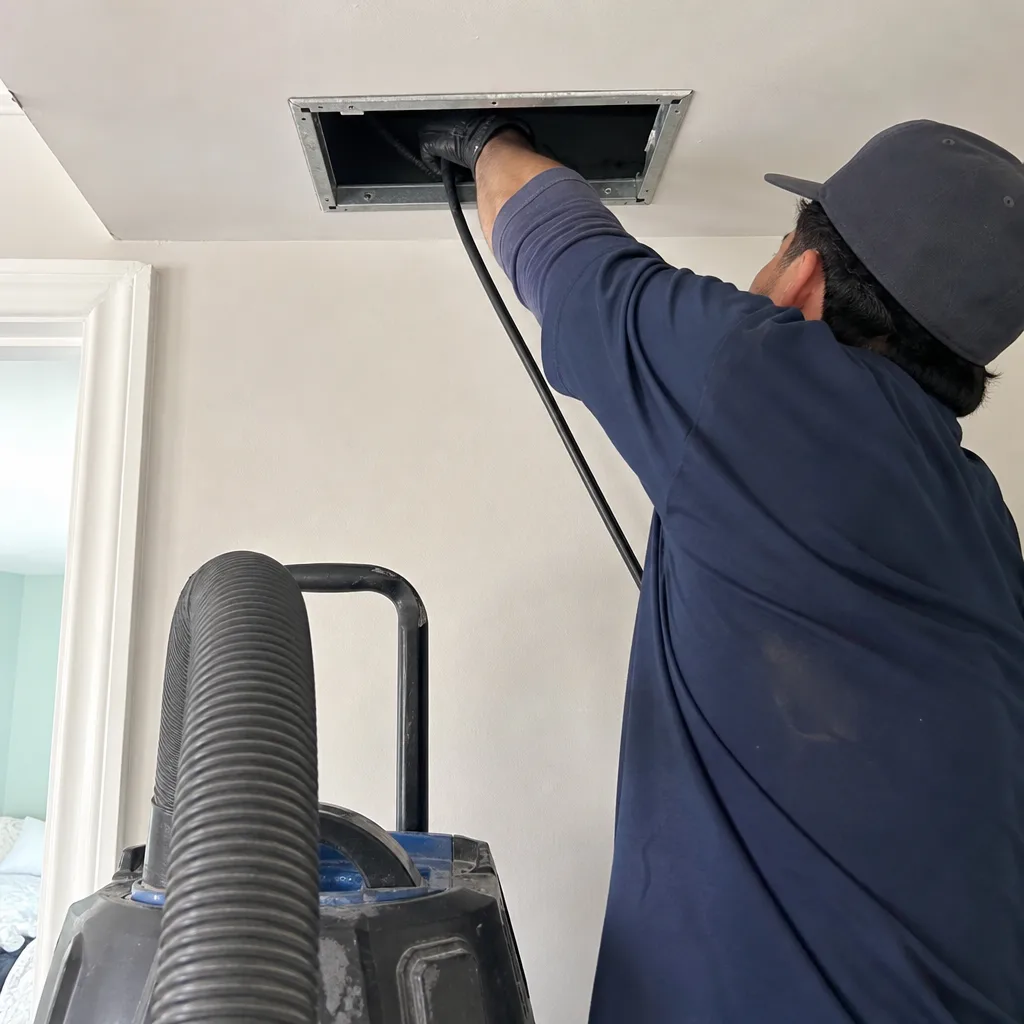
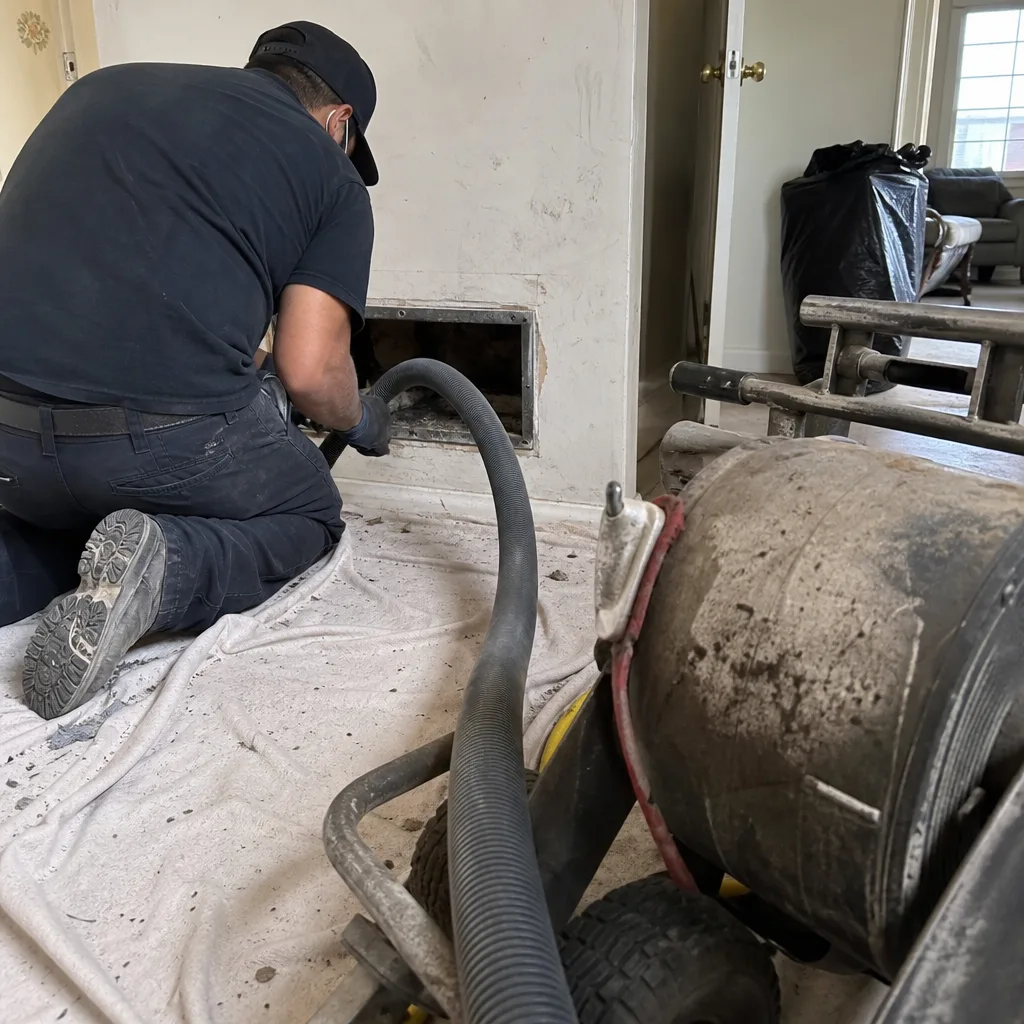
Whole-system duct and dryer vent check with before-and-after photos - you see exactly what came out of your vents
That "$99 whole-house special" is a bait ad - the real number appears once they are in your hallway, or the "clean" is a shop-vac at the register. We photograph the inside of your ducts before and after instead.
Choosing the Right Air Duct Cleaning Brand: A Buyer’s Guide for San Pedro
Here’s a counterintuitive fact about the air duct cleaning industry: the most important brand decision you’ll make has nothing to do with the company name painted on the truck. It’s the manufacturer’s name stamped on the machine the technician drags into your home. A Rotobrush contact-vacuum system and a consumer-grade portable unit may both get described as “professional equipment” on a quote sheet, but they produce radically different results inside a 40-foot flex duct run. This guide will teach you how to evaluate our Air Duct Cleaning services in San Pedro based on the equipment we actually run, not the promises we make on the phone.
Styles & brands we work with
- Whole-home duct cleaning
- Dryer vent cleaning
- Camera inspection
- Sanitizing & deodorizing
Quick Answer
The right air duct cleaning brand for your San Pedro home depends on the equipment tier the company operates. Rotobrush contact-vacuum systems dislodge and extract debris simultaneously, Nikro negative-pressure units pull contamination to a truck-mounted or portable collection point, and Abatement Technologies containment equipment prevents dislodged particulates from re-entering living spaces. Ask any contractor what brand of extraction equipment they run before you ask for a price.
Table of Contents
- Why Equipment Brand Matters More Than Company Brand
- The Three Equipment Tiers: Rotobrush, Nikro, and Abatement Technologies
- What San Pedro Homes Specifically Require
- Equipment Questions to Ask During a Quote Call
- Franchise vs. Independent: Why Standardization Has a Downside
- Matching Equipment Capability to Contamination Severity
- Common Mistakes to Avoid
- When to Call a Professional
- Frequently Asked Questions
- The Bottom Line
Why Equipment Brand Matters More Than Company Brand
Most homeowners in San Pedro choose a duct cleaning contractor the same way they choose a restaurant: Google reviews first, price second. Neither data point tells you whether the company’s equipment can physically reach the middle of a 40-foot flex duct run where the worst contamination accumulates. We’ve seen this play out repeatedly in homes across San Pedro and the South Bay: a well-reviewed company shows up with a portable unit rated at roughly 700 CFM (cubic feet per minute of airflow), agitates the first few feet of ductwork, and leaves the rest untouched. The homeowner sees a clean register, assumes the job was done, and wonders why the dust returns in six weeks.
The reality is that extraction power and agitation method determine outcomes more than any other variable. A lesser-known company running a Nikro truck-mounted system will outperform a five-star reviewed company using a low-CFM portable on the same home, every single time. That’s not marketing language. It’s physics. Air duct cleaning in San Pedro homes requires a system that can pull negative pressure across long branch runs, and consumer-grade equipment simply cannot generate enough airflow to do it.
This is why the equipment question belongs at the top of your vetting list. The company brand tells you about their marketing budget. The equipment brand tells you about their capability.
The Three Equipment Tiers: Rotobrush, Nikro, and Abatement Technologies
Professional duct cleaning equipment falls into three functional categories, each solving a different problem. Understanding what each does well will help you evaluate any contractor quote in San Pedro.
Tier 1: Contact-Vacuum Brush Systems (Rotobrush)
Rotobrush systems combine a motorized rotating brush with simultaneous vacuum extraction in a single pass. The brush head physically contacts the duct wall, dislodging caked-on debris, dead insect matter, construction dust, and the gray film that accumulates over years of HVAC operation. The vacuum runs at the same time, pulling dislodged material out as it is agitated rather than pushing it downstream.
What contact-vacuum does better than any other method: it scrubs. Debris that has adhered to duct surfaces through moisture, static charge, or simply years of accumulation requires mechanical agitation to remove. Air-only systems cannot touch this material. We run Rotobrush equipment in San Pedro homes specifically because the region’s coastal humidity causes dust to cake in ways that air-whip systems cannot address effectively.
Ask any contractor: “Is your brush system contact-based or air-whip?” Contact-based means the brush physically touches the duct wall. Air-whip means compressed air does the agitation. The distinction matters.
Tier 2: Negative-Pressure Portable and Truck-Mounted Units (Nikro)
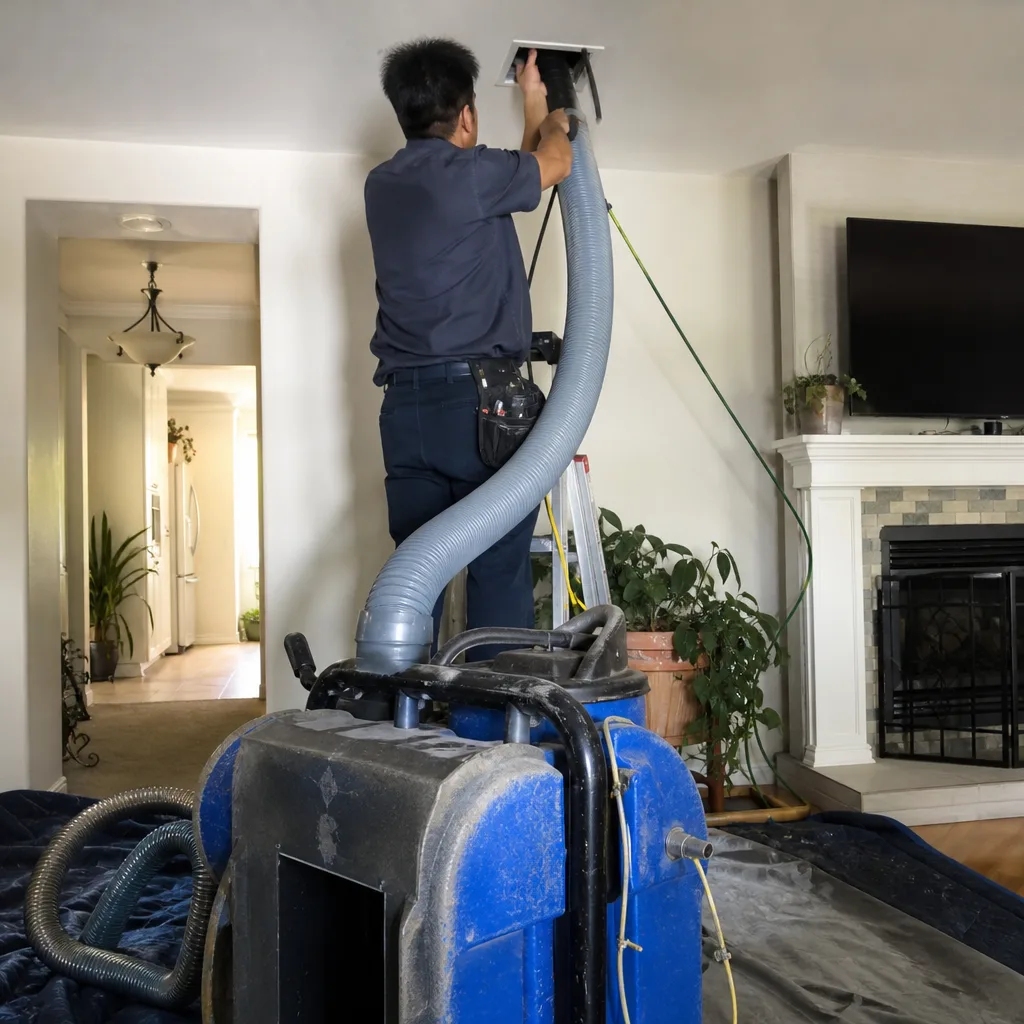
Nikro builds negative-air machines designed for professional cleaning and remediation work. These units connect to the duct system through a sealed access point and pull the entire duct run under negative pressure, drawing debris toward a central collection point rather than letting it disperse into living spaces. The systems are rated by CFM, and the difference between a 2,000 CFM unit and a 700 CFM unit determines how far down a branch run the cleaning actually reaches.
Nikro equipment is the same brand trusted by HVAC contractors and remediation professionals who handle mold, fire damage, and post-construction cleanup. When we need to pull a deep cleaning on a heavily contaminated system in a San Pedro home, negative pressure is what actually moves the material out of the middle of trunk lines where brush access is limited.
Tier 3: Abatement-Grade Containment (Abatement Technologies)
Abatement Technologies manufactures negative-air and HEPA filtration equipment designed for abatement work: asbestos, lead, mold remediation, and other jobs where containment is a safety requirement, not a nicety. The difference between Abatement equipment and ordinary shop-vac-style extraction is that dislodged particulates are captured at the source and filtered through HEPA media before air returns to the space.
This matters for San Pedro homeowners because the coastal air means windows are often open, and nobody wants duct debris redistributed through the house during a cleaning. We use Abatement Technologies containment equipment specifically because dislodged debris should be captured, not redistributed. Clean ducts, captured debris. That’s the functional difference between professional-grade work and theater.
One note on brands like Honeywell and Guardsman: these names appear in our work because San Pedro homes commonly run Honeywell filtration systems and Guardsman-brand protective coatings are used in duct integrity and sealing work. A contractor familiar with these systems can work around your existing air-quality equipment without damaging it or voiding warranties. That familiarity is a capability signal, not a marketing bullet point.
What San Pedro Homes Specifically Require
San Pedro’s location on the Palos Verdes Peninsula creates specific conditions that affect duct contamination. Marine layer humidity means dust particles bind to duct surfaces rather than staying loose. The prevailing onshore breeze carries fine particulate from the Port of Los Angeles, one of the busiest container ports in the Western Hemisphere, into residential neighborhoods. Homes in coastal areas like Point Fermin and South Shores see more salt-air exposure than properties further inland in the Harbor City corridor.
What this means practically: a cleaning system that works passably in a dry inland climate will underperform in San Pedro. The caked-on film that humidity and port particulate create requires contact agitation, not just negative pressure. That’s why we specify Rotobrush contact-vacuum equipment for most San Pedro jobs: the brush head physically removes what the coastal air has deposited on duct walls.
Additionally, San Pedro’s housing stock includes a significant number of homes built between the 1940s and 1970s, many of which have never had their duct systems cleaned. Original metal ductwork from that era may have accumulated decades of debris, and flex duct installed during remodels in the 1980s and 1990s often shows liner degradation that captures dust more readily. The age of the system directly affects which equipment tier is appropriate, which we’ll address in the matching section below.
The table below summarizes what each equipment tier delivers for San Pedro conditions:
- Rotobrush contact-vacuum: Mechanical scrubbing for caked-on coastal residue and decades-old accumulation
- Nikro negative pressure: Deep extraction across long branch runs into collection containment
- Abatement Technologies containment: HEPA-captured particulates, preventing redistribution into living spaces during cleaning
This equipment hierarchy is why we built our service around professional-grade systems rather than consumer substitutes. The same equipment restoration pros rely on is what San Pedro’s coastal conditions actually require for a meaningful result.
Equipment Questions to Ask During a Quote Call
The most effective way to separate professional operators from low-bid cleaners in San Pedro is to ask equipment-specific questions during the quote call. Here’s the exact script we recommend, with the answers that indicate a serious operator:
- “What is the CFM rating of your extraction unit?” Professional systems start around 2,000 CFM for portable units and go higher for truck-mounted. If the answer is under 1,000 CFM or the person hesitates, you’re talking to a shop-vac operation. A contractor who knows their CFM rating knows their equipment.
- “Is your brush system contact-based or air-whip?” Contact-based means physical scrubbing of the duct wall. Air-whip relies on compressed air alone, which cannot remove adhered debris in high-humidity environments like San Pedro. The right answer is contact-based, and the contractor should be able to name the brand (Rotobrush is the industry benchmark for contact-vacuum systems).
- “How do you contain debris during the cleaning?” The answer should reference negative pressure and HEPA filtration at the collection point. If the contractor says “we seal the registers,” ask what happens to debris dislodged in the trunk line before it reaches the register. Abatement Technologies containment equipment means the answer is “captured at the source.”
- “Do you handle duct repairs if you find damage?” Many San Pedro homes have duct systems with decades of deferred maintenance: separated joints, crushed flex runs, holes in trunk lines. A company that only cleans will flag the problem and leave. A company that also handles air duct repair in San Pedro can fix it in the same visit. This matters because a cleaning on a damaged system is wasted effort: the system will re-contaminate within weeks.
- “Are you familiar with Honeywell and Aprilaire filtration equipment?” San Pedro homes with whole-home filtration systems need a contractor who can work around that equipment without disrupting it. A blank stare on this question is a red flag.
You’ll notice none of these questions ask about price first. Price matters, but it belongs after you’ve established that the equipment can actually do the job.
Franchise vs. Independent: Why Standardization Has a Downside
National duct cleaning franchises operate on a franchise model that incentivizes cost control across hundreds or thousands of locations. Standardized equipment is part of that model, and standardized equipment in the duct cleaning industry trends toward the lowest tier capable of producing a passable result. When a franchise specifies the same portable unit for a dry desert market and a humid coastal market like San Pedro, the equipment chosen is a compromise, not an optimization.
Independent contractors are not inherently better. Plenty of independents run underpowered portables and price low. But independents have something franchises don’t: the ability to spec equipment for the local conditions they actually face. An independent in San Pedro who runs Rotobrush contact-vacuum systems plus Abatement Technologies containment equipment is telling you they’ve matched their toolset to the marine layer, port particulate, and older housing stock that define the local market.
The takeaway: do not assume a national brand name means better equipment. Ask the equipment questions. The answers will tell you whether anyone thought about the conditions in San Pedro before they bought their machines.
Matching Equipment Capability to Contamination Severity
Different homes require different equipment tiers, and an honest contractor will tell you that. Here’s the decision framework we use in our own work:
Scenario 1: Lightly Dusty, Recently Built or Remodeled Home
A home built within the last three to five years in northwest San Pedro or a recently remodeled property with new ductwork typically has loose construction dust and minimal adhered debris. A thorough cleaning with negative-pressure extraction and contact brushing will address this effectively in a single pass. The job is straightforward, but it still requires professional equipment because construction dust is fine enough to require HEPA filtration on the collection side.
Scenario 2: Moderate Accumulation, 10-20 Years of Occupancy
This describes the majority of homes we see in San Pedro: a system installed in the 1990s or early 2000s that has never been cleaned. Dust, pet dander, and port-related particulate have accumulated in layers. Contact-vacuum agitation is essential here because the debris is partially adhered. Negative pressure alone will leave a significant percentage behind. Rotobrush plus Abatement containment is the appropriate combination.
Scenario 3: Heavy Contamination, Renovation Zone, or Known Air Quality Issues
Homes in renovation zones, properties that have had water intrusion events, or homes near the port corridor’s industrial activity may have heavily contaminated ducts. This includes San Pedro neighborhoods undergoing significant construction where demolition dust has entered the system. These jobs require full negative-pressure extraction with HEPA containment plus contact agitation, and may also require duct repair where damage is discovered. The right company will be honest that a basic cleaning is insufficient here.
If a contractor quotes the same flat price for all three scenarios without asking about the home’s history, walk away. The right contractor asks about construction history, water events, pet count, and allergy symptoms before quoting because those answers determine equipment time and tool selection.
Our full scope across air duct cleaning in San Pedro includes evaluating these factors on every job, not running a one-size-fits-all process and hoping for the best.
Common Mistakes to Avoid
- Selecting a contractor solely by Google review score. Reviews measure customer service, not equipment capability. A polite technician with a portable unit will get five stars while leaving the middle of your trunk line untouched. Ask about CFM ratings and brush type before you trust the stars.
- Taking the lowest quote without asking what equipment will be used. San Pedro’s coastal humidity means a low-CFM portable unit will produce a visible difference at the register and no difference at all 20 feet down the run. The cheap quote costs more when you re-clean in a year.
- Accepting “we clean all the vents” as a scope statement. Vent cleaning is not duct cleaning. Ask whether the contractor accesses and cleans the full trunk line and branch runs, not just the visible registers and boots.
- Hiring a company that cannot repair damage it finds. Older San Pedro duct systems frequently show separated joints, punctures, and crushed flex runs. If your cleaner can only clean and not repair, you’ll pay for a second contractor to fix what the first one found. Ask about related services like dryer vent cleaning and duct repair before booking.
- Ignoring the containment question. A company that agitates debris without proper negative-air containment redistributes dust through your home. This is worse than not cleaning at all for families with allergy or respiratory conditions.
- Assuming franchise names guarantee quality. Standardized equipment is chosen for cost control, not for coastal climate performance. Ask the same equipment questions of the franchise tech that you’d ask an independent.
- Forgetting that dryer vents are a separate cleaning operation. Dryer vents are a fire risk, not an optional add-on. Lint accumulation in a San Pedro home with a longer vent run to the exterior is a leading cause of residential structure fires. Ask if dryer vent cleaning is a distinct service with dedicated tools, or an afterthought with the same brush.
When to Call a Professional
Call a professional when you have evidence that your ducts haven’t been cleaned in years, when you’re dealing with persistent dust returning within days of cleaning surfaces, when allergy symptoms concentrate in certain rooms, when you can see debris at the registers, or when you’ve had construction work done and suspect demolition dust entered the system. Also call a professional rather than attempting a DIY approach when the contamination is heavy: without negative-pressure containment, DIY duct cleaning simply agitates material and pushes it into living spaces. For more details, see The Complete Air Duct Cleaning Guide for San Pedro Homeowners. Air Duct Cleaning San Pedro offers free estimates in San Pedro. Call (877) 573-0759 to set up an evaluation of your system’s condition.
Frequently Asked Questions
Air duct cleaning in San Pedro typically ranges from $450 to $1,100 depending on the size of the home, the number of returns, the contamination level, and whether the system requires repair work during the visit. Homes with heavy contamination or multiple systems fall at the higher end. Call (877) 573-0759 for an exact quote based on your system’s specifics.
A professional extraction unit should generate at least 2,000 CFM of airflow to pull meaningful negative pressure through residential duct runs. Anything below 1,000 CFM is a portable consumer-grade unit that cannot reach the middle of longer branch lines common in San Pedro homes.
The price difference almost always reflects the equipment tier. Low-bid companies run small portable units with limited extraction power, which means they work faster, buy cheaper equipment, and produce less complete results. Professional-grade systems from Rotobrush, Nikro, and Abatement Technologies represent significant capital investment, which shows up in honest pricing that reflects actual capability. Call (877) 573-0759 for a quote using professional-grade equipment.
Ask for a written scope that specifies full trunk line and branch run cleaning with contact-vacuum agitation and negative-pressure extraction. A professional operator will welcome the question and walk you through the process. If the company cannot describe the method they’ll use to reach the middle of a 40-foot flex run, that’s your answer.
Routine air duct cleaning is almost never covered because it’s considered maintenance, not damage. If duct contamination resulted from a covered event like a fire, water damage, or a contractor’s negligence, your policy may cover it. Contact your insurer for specifics, and keep documentation of the cleaning and any repairs performed.
In coastal environments like San Pedro, plan on cleaning every 3 to 5 years for homes without unusual contamination sources. Homes near active construction, with multiple pets, or with a resident who smokes should schedule more frequently. The marine layer and port particulate mean San Pedro systems accumulate adhered debris faster than inland locations, so the 5-year mark is the long end, not the standard.
The Bottom Line
Choosing the right air duct cleaning company in San Pedro comes down to one question: what equipment is in the truck? You can also check The Complete Air Duct Cleaning Guide for San Pedro Homeowners for additional guidance. Rotobrush contact-vacuum systems physically scrub adhered debris that coastal humidity and port particulate create. Nikro negative-pressure units pull contamination from deep trunk lines. Abatement Technologies containment equipment captures dislodged particulates rather than redistributing them through your home. Ask the CFM rating, ask about the brush type, ask about containment, and ask whether duct repair is available if damage is found. The right contractor will answer every question without hesitation.
Air Duct Cleaning San Pedro operates Rotobrush, Nikro, and Abatement Technologies equipment across all three service areas: air duct cleaning, dryer vent cleaning, and air duct repair. When we find a problem during a cleaning, we can fix it in the same visit. Explore more guides & resources on our blog. Call (877) 573-0759 for a free estimate and an honest assessment of what your system actually needs.
Written by the team at Air Duct Cleaning San Pedro, serving San Pedro since 2017.
See the difference
 Before
 After
 Before
 After
 Before
 After