
Last updated November 2, 2026
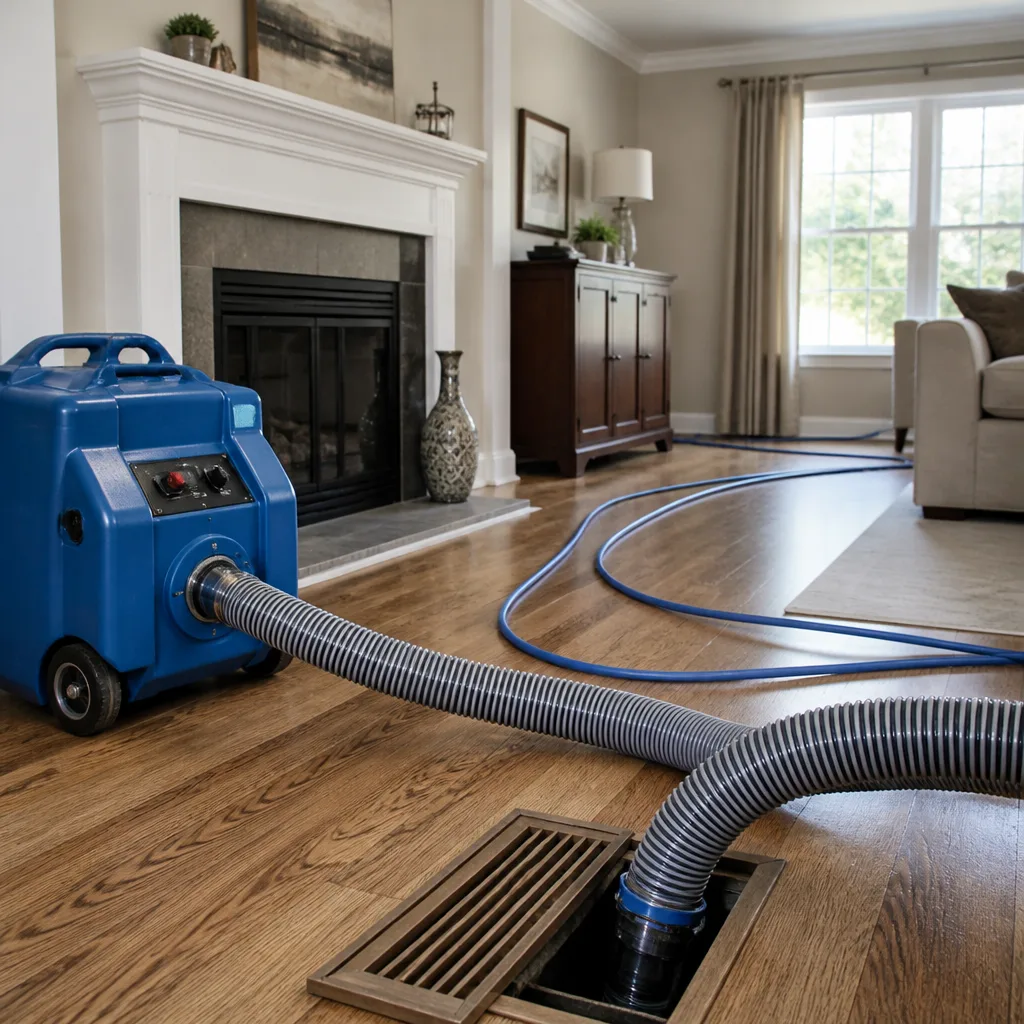 Whole-home duct cleaning
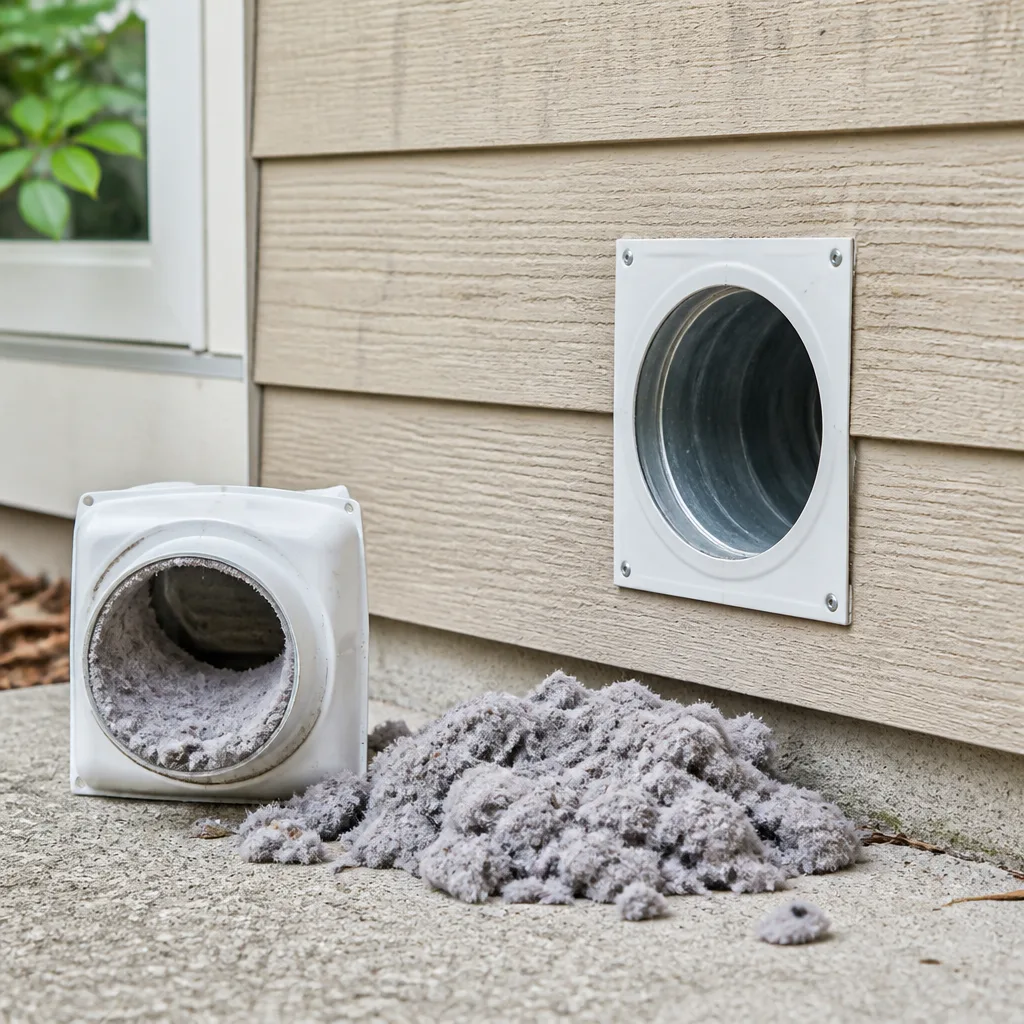 Dryer vent cleaning
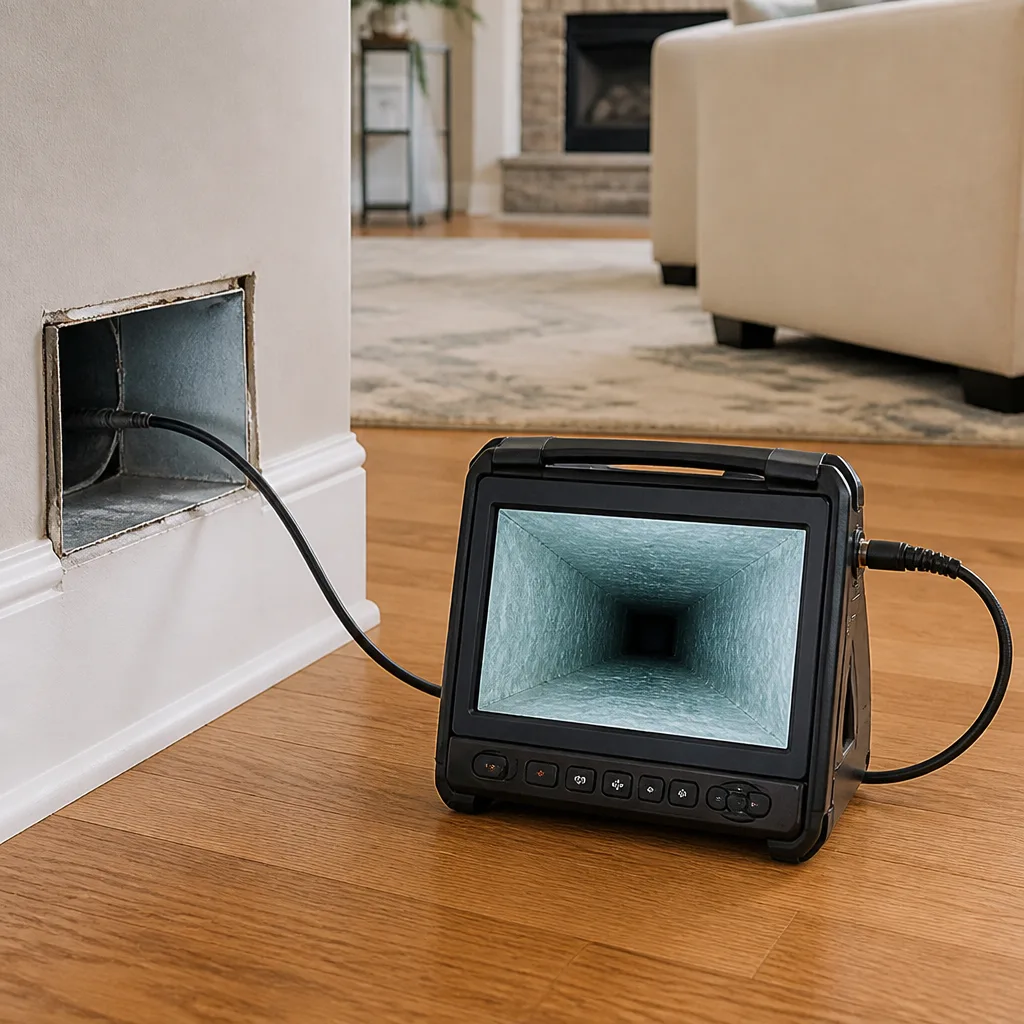 Camera inspection
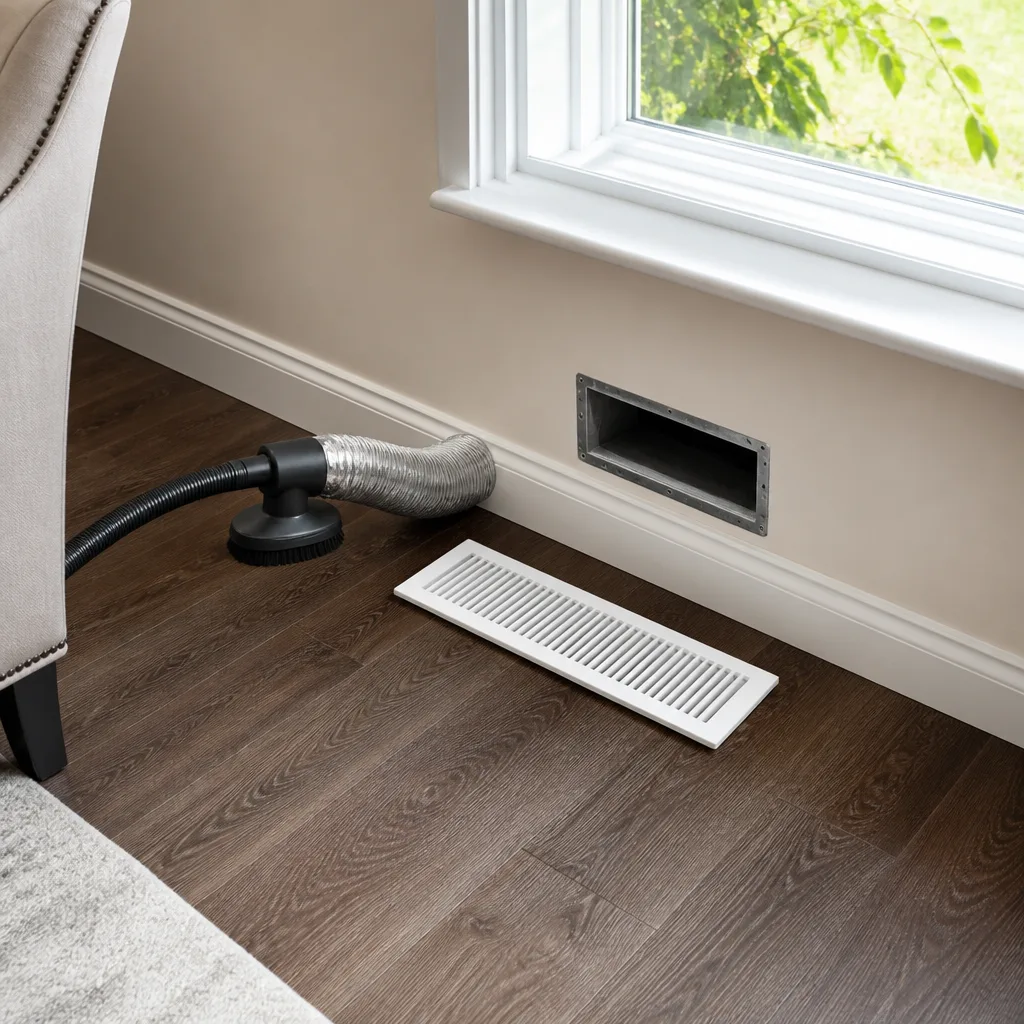 Sanitizing & deodorizing
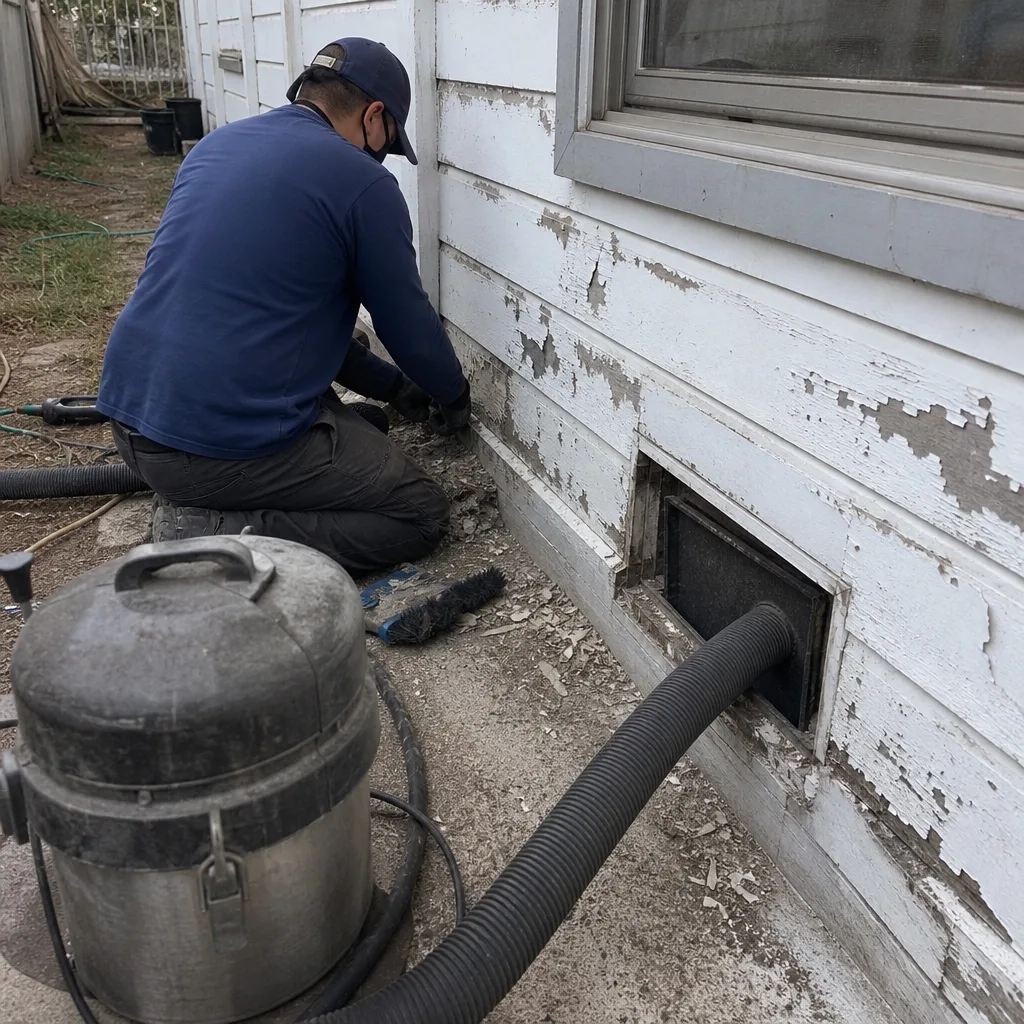
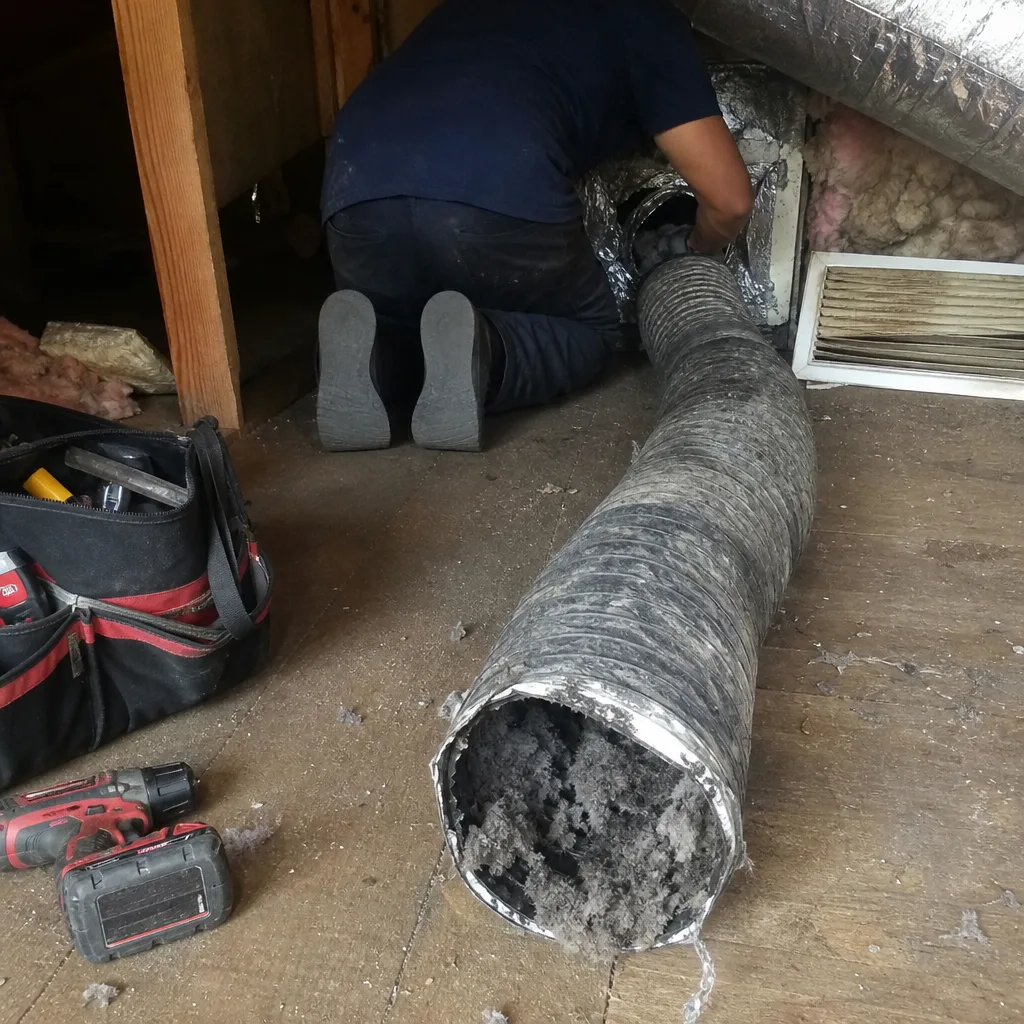
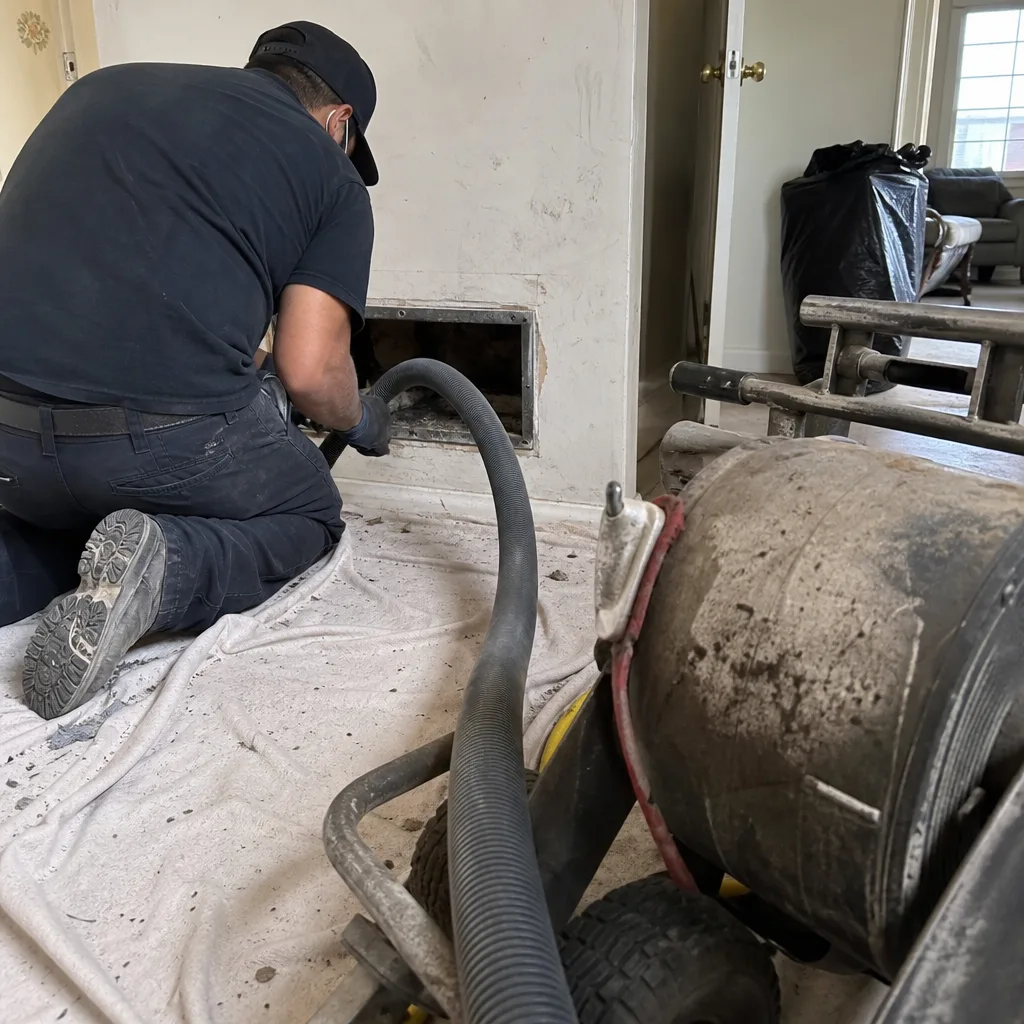
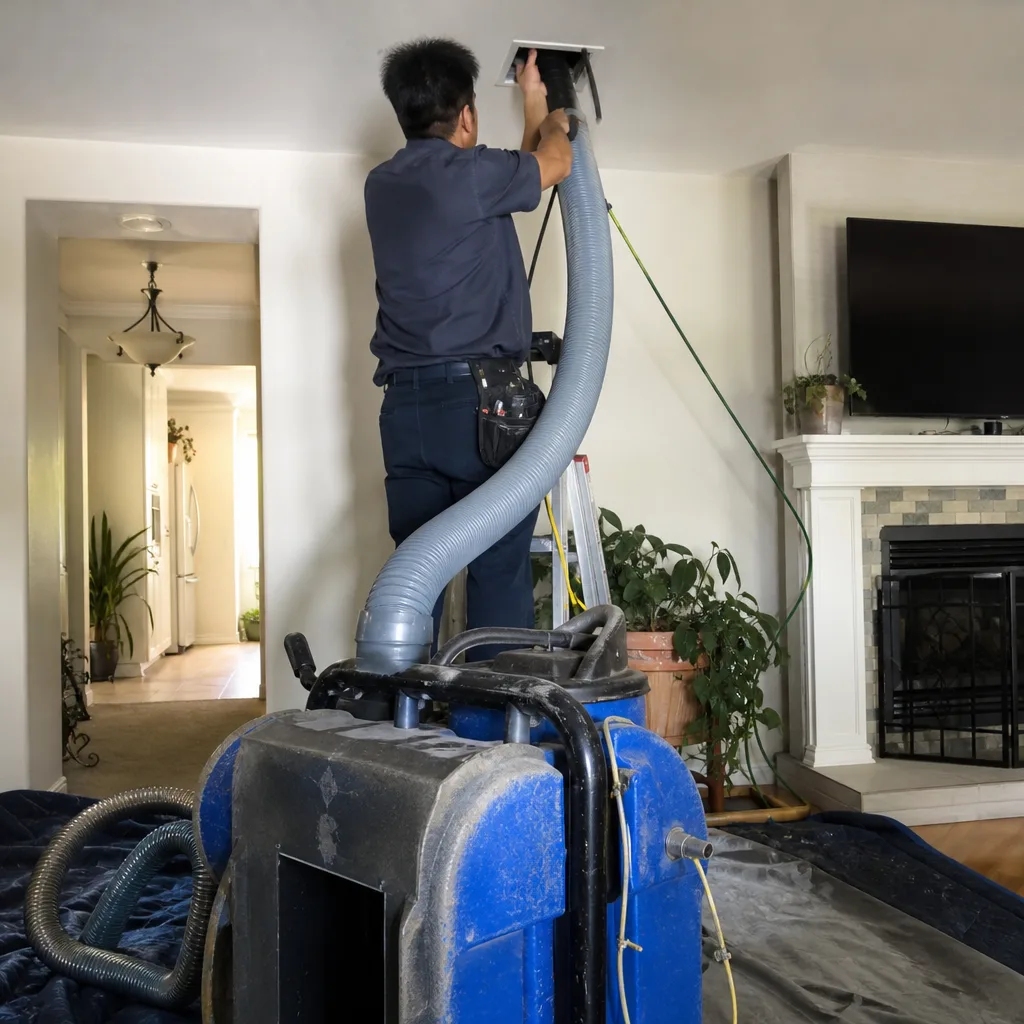
Whole-system duct and dryer vent check with before-and-after photos - you see exactly what came out of your vents
That "$99 whole-house special" is a bait ad - the real number appears once they are in your hallway, or the "clean" is a shop-vac at the register. We photograph the inside of your ducts before and after instead.
How to Hire an Air Duct Cleaning Contractor in San Pedro: A Step-by-Step Guide
The $99 whole-house duct cleaning special that lands in San Pedro mailboxes every spring is economically impossible to deliver with professional equipment. The operating cost of a Nikro negative-pressure unit alone runs well above that per job, before you factor in labor, insurance, and vehicle overhead. What that coupon actually buys is a shop vac pushed through a few registers, which doesn’t clean ducts – it just rearranges the dust. This guide – and our more guides & resources – walks you through how to vet a duct cleaning contractor in San Pedro so the job gets done right the first time, with equipment that actually removes debris instead of aerosolizing it into your living room.
Styles & brands we work with
- Whole-home duct cleaning
- Dryer vent cleaning
- Camera inspection
- Sanitizing & deodorizing
Quick Answer
To hire an air duct cleaning contractor in San Pedro, verify three things before booking: the contractor uses truck-mounted or portable negative-air equipment rated at 2,000 CFM or higher, can provide NADCA certification proof, and agrees to show before-and-after photos of the duct interiors during the final walkthrough. Request an on-site walkthrough before quoting, confirm pricing is a flat whole-system rate rather than per-vent, and verify they use contact vacuuming (brush systems) rather than air whipping alone. A legitimate operator will explain their containment process without being prompted.
Table of Contents
- The Equipment Vetting Process: What Actually Cleans Ducts
- NADCA’s ACR Standard: The Hiring Baseline Most Companies Can’t Meet
- What a Legitimate Site Walkthrough Looks Like
- Questions to Ask Before You Book
- Coastal California Conditions: Why San Pedro Ducts Need Specific Protocol
- Red Flags: Sales Tactics That Signal a Low-Quality Operator
- Pricing Models Explained: Flat Rate vs. Per Vent
- How to Verify the Work Was Actually Done
- Common Mistakes to Avoid
- When to Call a Professional
- Frequently Asked Questions
- The Bottom Line
The Equipment Vetting Process: What Actually Cleans Ducts
Most homeowners in San Pedro hire a duct cleaner the way they’d hire a housekeeper – look for the lowest quote, schedule the visit, and hope for the best. But duct cleaning is an equipment-dependent job. The difference between a real cleaning and a cosmetic one comes down to what machine is connected to your duct system, and whether it can dislodge and extract debris simultaneously.
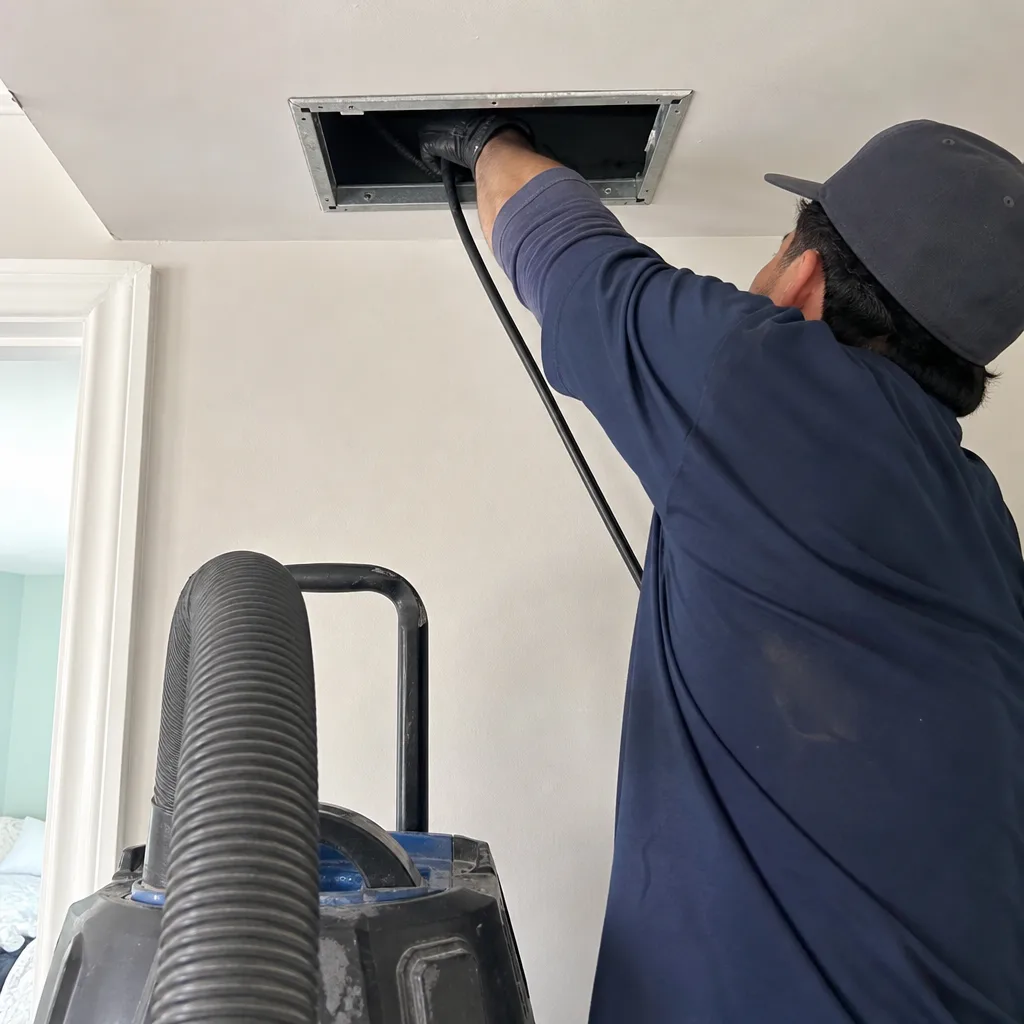
Professional duct cleaning requires two things working together: agitation and negative air extraction. Agitation breaks the bond between dust, skin cells, pollen, and the duct walls. Negative air captures that debris as it loosens, pulling it into a HEPA-filtered containment system rather than letting it drift back into your home’s air supply.
Here’s the equipment checklist to request before you book with any San Pedro contractor:
- CFM rating of the vacuum system: Ask this specific question. Professional systems move at least 2,000 cubic feet per minute (CFM) of air. Portable units below 1,000 CFM cannot create the negative pressure needed to pull debris from branch ducts back to the main trunk line.
- Contact vacuuming vs. air whipping: Contact vacuuming uses a rotating brush that physically touches the duct walls, scraping off adhered dust while the vacuum pulls simultaneously. Air whipping just shoots compressed air around, which loosens only the lightest surface dust and leaves the rest behind.
- HEPA filtration on the negative-air unit: Abatement Technologies negative-air machines with HEPA filters capture particles down to 0.3 microns. This is the containment standard used in mold remediation and commercial restoration work, not a consumer-grade filter.
- Brush system brand capability: Rotobrush contact-vacuum brush systems scrub and extract in one pass through the duct. The same brand is used by restoration contractors because it leaves visibly clean interior surfaces, not just less dust.
Ask for the CFM number. If the person on the phone doesn’t know what that means, you’re talking to a company that rents a machine from a big-box store on their way to your house.
NADCA’s ACR Standard: The Hiring Baseline Most Companies Can’t Meet
NADCA – the National Air Duct Cleaners Association – publishes the ACR (Assessment, Cleaning, and Restoration) Standard, which is the closest thing this industry has to a codebook. It defines what constitutes a properly cleaned HVAC system. Any contractor can claim “NADCA membership” on a flyer, but membership and compliance are two different things.
The ACR Standard requires that cleaning cover the entire system, not just the supply and return registers you can see. That includes the supply plenum, return plenum, all branch ducts, the air handler interior, the blower assembly, the evaporator coil, and the drain pan. A company that only vacuums the visible registers is not performing a cleaning that meets NADCA standards.
How to verify a company’s standing:
- Ask for their NADCA certification number. A member will give it to you without hesitation. Companies that bluff will stumble or say they’re “working on certification.”
- Cross-check on NADCA’s website. The association has a public directory of certified companies. A five-minute search tells you whether the claim is real.
- Ask what the ACR Standard requires. This is a simple knowledge test. A legitimate contractor can explain in one or two sentences: full system cleaning, containment during the process, and post-cleaning verification. If they can’t, they haven’t read the standard.
In our experience with San Pedro homes, the gap between “we clean ducts” and our Air Duct Cleaning services that meet NADCA’s ACR Standard is where most hiring mistakes happen. The standard exists because a partial cleaning is barely better than none at all.
What a Legitimate Site Walkthrough Looks Like
Any contractor who quotes a price over the phone without seeing your system is guessing. A legitimate air duct cleaning in San Pedro starts with a site walkthrough, and that walkthrough follows a predictable script.
Here’s what a real contractor does during the pre-quote visit:
- Counts supply and return registers. Every register matters because it determines how many access points the technician will need to cut or open. This directly affects labor time, not just equipment runtime.
- Assesses duct material. San Pedro homes built in the 1950s and 60s often have rigid sheet-metal ducts. Homes from the 1980s onward frequently have flex duct. Each material requires different brush pressure and agitation technique. A contractor who doesn’t distinguish between them will either under-clean or damage something.
- Checks system access points. The plenum near the air handler, the return drop, and register locations all determine how the negative-air hose gets connected. A two-story San Pedro house with the furnace in a tight closet is a very different job than a single-story with garage access.
- Looks at the air handler and coil. If the evap coil is accessible but visibly fouled, that changes the scope. Some companies clean ducts but skip the coil, which is the single most airflow-restrictive component in the system when dirty.
- Takes static pressure or airflow measurements. Not every company does this, but the serious ones check whether restricted airflow is a symptom of dirty ducts or something else, like an undersized return or failing blower motor.
Expect the walkthrough to take 20 to 40 minutes. If someone shows up, glances at a couple registers, and hands you a printed price sheet, they’re not doing an assessment – they’re doing a sales call.
Questions to Ask Before You Book
The hiring decision should hinge on how a contractor answers specific questions. Vague answers mean vague work. Here are the questions that separate equipment-serious operators from low-bid cleaners in San Pedro:
- “What’s the CFM rating on your vacuum system?” The answer should be immediate and specific. 2,000 CFM is the professional baseline. Anything under 1,000 is a portable unit that can’t create meaningful negative pressure through 30 feet of duct.
- “Do you use contact vacuuming or just air whipping?” Contact vacuuming means a brush physically scrubs the duct interior. Air whipping means compressed air is blasted around. Contact vacuuming is the only method that removes adhered dust and microbial growth.
- “Will you show me before-and-after photos of my duct interiors?” Camera documentation should be standard, not an upsell. A company that doesn’t photograph its work either doesn’t own inspection cameras or doesn’t want you to see the results.
- “Does your crew cut new access points in the duct work?” Sometimes a proper cleaning requires opening an access hole at the trunk line. A professional will create it, clean through it, and seal it with a proper patch and mastic. A low-bid operator will skip it and clean around the corners.
- “What’s included in the price: supply ducts, return ducts, plenums, coil, blower, and drain pan?” Get the answer itemized. If the price only covers supply registers and the “comprehensive cleaning” is an add-on, walk away.
- “Are you NADCA certified, and can I verify that online?” A direct answer with an ID number is what you want. Evasion is your cue to end the call.
Coastal California Conditions: Why San Pedro Ducts Need Specific Protocol
San Pedro’s marine layer does more than fog the harbor. The persistent coastal humidity affects duct systems in ways contractors from inland areas don’t always factor in. Homes within a mile or two of Point Fermin experience salt air, elevated ambient moisture, and condensation cycles that inland HVAC systems never see.
Here’s what that means specifically for duct cleaning in San Pedro:
- Flex duct and moisture don’t mix well. Flex duct in coastal homes is more prone to interior condensation than rigid metal duct. That condensation traps dust and creates a microclimate where mold can grow inside the duct liner. A cleaning that only removes surface dust leaves the moisture-damaged liner intact, which means the problem recurs within months.
- Drain pan inspection matters more here. In humid coastal air, the evap coil produces more condensate, and the drain pan is more likely to hold standing water. A proper cleaning includes flushing the drain line and inspecting the pan. Low-bid companies skip both.
- Salt air accelerates corrosion on metal duct. Homes in San Pedro’s older neighborhoods – Vista del Oro, Miraleste Pines, and the coastal stretches along Paseo del Mar – often have galvanized metal ducts installed decades ago. Salt exposure corrodes joints and seams over time. A contractor who recognizes corrosion damage during cleaning can flag it for air duct repair in San Pedro before it becomes a leak.
- Mold protocol questions are a good litmus test. Ask a contractor how they handle mold-suspect material during a cleaning. A legitimate company will explain containment and isolation procedures, using negative-air HEPA equipment to prevent cross-contamination. A low-bid operator will either downplay your concern or offer a “mold treatment” upsell before they’ve even inspected anything. The second one is a red flag – you can’t diagnose mold remediation needs without looking first.
These coastal variables mean the “lowest price” approach is riskier in San Pedro than it would be in, say, Temecula. What seems like a better deal often becomes a second cleaning bill six months later.
Red Flags: Sales Tactics That Signal a Low-Quality Operator
Certain behaviors predict bad duct cleaning work before a single register is opened. Watch for these specific tactics during the quoting and hiring process:
1. Mold Treatment Upsells on First Inspection
If a technician finds “suspicious microbial growth” within five minutes of arriving and immediately suggests a mold treatment add-on, you’re being sold fear, not service. Mold identification requires lab sampling – a visual inspection through a register can’t confirm species or spore activity. Legitimate companies will recommend testing if something looks concerning; they won’t demand immediate remediation based on a glance.
2. Refusing to Itemize Pricing
A contractor who won’t break down the quote – supply side, return side, coil, plenum, number of access points – is hiding something, usually how little they actually plan to do. A real proposal is a line-item document. A blurry “full system cleaning for one low price” is a signal that the scope will be whatever fits in the time they’ve allotted.
3. No Before-and-After Camera Protocol
Inspection cameras are standard equipment for legitimate duct cleaners. If a company doesn’t photograph duct interiors before and after the job, they either don’t have the equipment or don’t want a visual record of what they didn’t do. Either way, the lack of documentation is the clearest predictor of poor work.
4. Same-Day Availability on Every Call
A company that can always show up the day you call has no booking backlog – and there’s usually a reason. A fully booked schedule is a sign of repeat business and referrals. A perpetually empty calendar means no one’s hiring them twice.
5. Prices That Don’t Match Equipment Reality
As established earlier, air duct cleaning San Pedro home pricing under about $250 for a whole system is mathematically inconsistent with professional equipment. The machine, the fuel, the labor, the insurance – the numbers don’t work. A quote like that means a shop vac is coming to your house, not a negative-air unit.
Pricing Models Explained: Flat Rate vs. Per Vent
Pricing structure reveals more about the company than the number on the quote. Duct cleaners in San Pedro fall into two camps: flat whole-system pricing and per-vent pricing. One is honest. The other is engineered to maximize surprise charges.
Flat Whole-System Pricing
A flat rate is one price for the complete job – every supply run, every return, the plenums, the coil, the blower, the drain pan. The price is agreed before work starts and doesn’t change regardless of surprises the technician finds during the cleaning. This is how professional restoration contractors quote, and it’s how this business should be priced. You know the total before the van pulls up.
Per-Vent Pricing
Per-vent quotes sound cheap – “$29 per vent!” – but the math never works in your favor. A typical 1,800-square-foot San Pedro house has 8 to 12 supply registers and 1 to 2 returns. At $29 per vent with 12 vents, that’s $348. But that’s just the visible registers. The plenum is extra. The return drop is extra. The coil? That’s a “service we recommend.” The blower? Definitely extra. By the time the technician is done building the invoice, you’re at $700 for partial work.
Per-vent pricing also incentivizes speed. The faster the technician moves from vent to vent, the lower the labor cost per register. Flat-rate companies have no such incentive – the job costs what it costs, and doing it thoroughly is the only deliverable.
Ask for a flat whole-system price before booking. We agree to one price per system before any work begins, and the quote covers everything from the supply plenum to the drain pan. No line items that appear after the fact.
How to Verify the Work Was Actually Done
The most common complaint after a duct cleaning isn’t about price – it’s about results. Homeowners can’t see into their ducts, so they have no way to verify work quality. That’s exactly what low-bid operators count on. Here’s how to make sure you’re not paying for an hour of phantom labor:
- Demand before-and-after photos of duct interiors. This is non-negotiable. A legitimate contractor runs a camera through supply runs, return runs, the plenum, and the coil before starting and after finishing. You should see visible changes – dust accumulation on the “before,” clean sheet metal or liner on the “after.” No photos, no proof.
- Ask to see the debris the system extracted. A proper negative-air cleaning pulls material into a containment canister or filter bag. At the end of the job, there should be visible debris – dust, pet hair, construction material – that came out of your system. If the technician can’t show you what was removed, it’s fair to ask whether anything was.
- Check the coil if it’s accessible. If the evap coil was cleaned, it should look like aluminum, not a gray carpet. Ask the technician to open the access panel before they leave and look at it yourself.
- Confirm the access points are sealed correctly. Any holes cut during cleaning should be covered with metal patches and sealed with mastic, not duct tape. Duct tape fails within months; mastic is the permanent seal used by code.
- Pay attention to the first HVAC cycle after cleaning. The air through the registers should feel and smell neutral – no dust puff when the blower kicks on, no moldy odor, no burning smell from the blower motor working harder than before.
We’ve had customers in San Pedro call us after a previous cleaning specifically because they couldn’t tell whether anything happened. The technician showed up, made noise for an hour, and left. No photos, no debris, no visible change. That absence of evidence is the tell.
Common Mistakes to Avoid
- Choosing based on phone price alone. The contractor with the lowest quote is almost always the one with the least equipment. A legitimate cleaning requires a negative-air machine, brush systems, and trained labor – those costs are fixed and real. If the price sounds too good, the scope is too small.
- Assuming all “NADCA certified” claims are active. Some companies let certification lapse but keep printing it on marketing materials. Verify the claim on NADCA’s public directory before booking.
- Skipping the pre-quote walkthrough. A contractor who quotes without seeing the system can’t know what they’re dealing with. In San Pedro, where duct materials range from 60-year-old galvanized steel to newer flex duct, a blind quote is a guess.
- Not asking about containment. The difference between agitation and containment is what separates a real cleaning from an air-quality disaster. If a contractor can’t explain how they capture dislodged debris, they don’t have the equipment to do it.
- Paying for the whole job upfront. Legitimate companies bill after the work is done, not before. A demand for full prepayment is a red flag – it removes your only leverage.
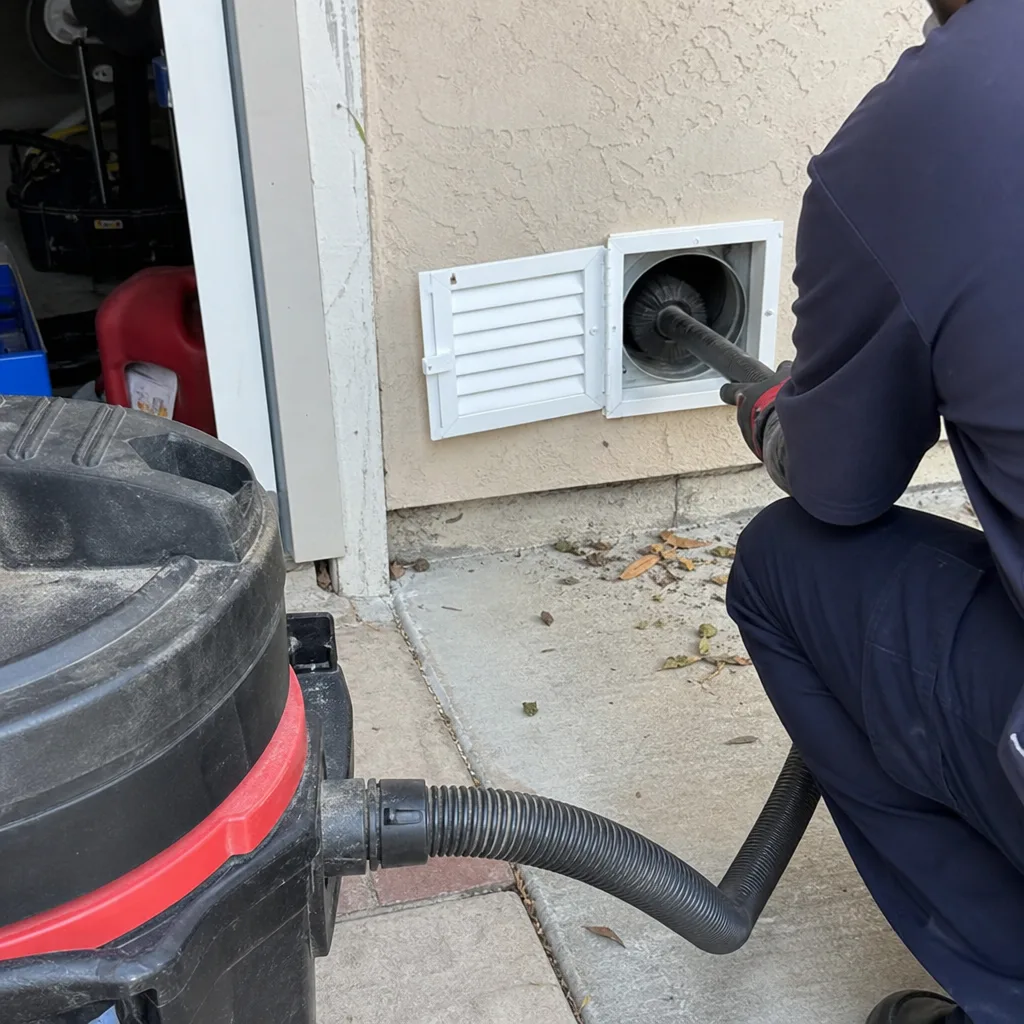
- Ignoring the dryer vent angle. Many homeowners figure dryer vent cleaning is something they’ll do “eventually.” It’s a separate service, not an add-on. San Pedro homes with long dryer vent runs to exterior walls accumulate lint that becomes a legitimate fire risk. A proper dryer vent cleaning in San Pedro removes that accumulation with the same professional-grade equipment, not a brush from the hardware store.
- Hiring a company that doesn’t repair ducts. Cleaning reveals problems – cracked plenums, disconnected joints, corroded sections. If your duct cleaner can’t repair what they find, you’re paying for two service calls and waiting for a second contractor. Ask before booking whether the company handles repairs in-house.
When to Call a Professional
Duct cleaning isn’t a DIY project, and it isn’t optional in every season. Call a contractor when visible dust accumulates on registers weeks after cleaning, when airflow from certain rooms has dropped noticeably, or when you’ve lived in the home for years without knowing whether the ducts were ever cleaned. Recent renovation work is another trigger – drywall dust, sawdust, and construction debris settle deep into duct runs and recirculate for months. The same logic applies after any pest infestation that may have entered the duct system.
San Pedro’s coastal humidity compounds these issues, making professional cleaning more urgent in homes near the water than in drier inland cities. Air Duct Cleaning San Pedro offers free estimates in San Pedro – call (877) 573-0759 to schedule a site walkthrough and get a flat whole-system quote before any commitment.
Frequently Asked Questions
Your ducts need cleaning if dust accumulates on registers and furniture within days of cleaning, if airflow from certain rooms is noticeably weaker than others, or if you’ve completed recent renovation without sealing off the registers. Pet hair, visible dust on register grilles, and a musty odor when the system runs are all indicators. In San Pedro’s coastal climate, condensation inside flex duct also creates a dust-trapping film that cleaning addresses directly.
Professional whole-system air duct cleaning in San Pedro typically runs $400 to $900 depending on home size, number of registers, duct material, and system accessibility. That’s a flat rate covering supply and return ducts, plenums, coil, blower, and drain pan. Any quote under $250 is economically inconsistent with professional equipment. We provide one flat price per system agreed before work begins. Call (877) 573-0759 for an exact quote – estimates are free.
Cheaper quotes come from companies that don’t use professional equipment. A shop vac and a drill-mounted brush cost a few hundred dollars total and can’t create the negative pressure needed to clean duct interiors. The low price buys partial cleaning – visible registers get vacuumed, everything deeper stays untouched. The work isn’t cheaper; it’s just less work. A professional cleaning requires negative-air machines, contact-vacuum brush systems, and trained labor, and those costs show up in any honest quote.
You verify the work by reviewing before-and-after camera footage of the duct interiors. A legitimate contractor photographs supply runs, return runs, the plenum, and the coil before and after the job. You should also be able to see the debris extracted into the containment system. If a company can’t show photos, debris, or a visibly clean coil, the work wasn’t documented – and undocumentable work is usually incomplete work.
Yes, San Pedro’s marine layer and salt air create conditions that don’t exist inland. Flex duct in coastal homes is more prone to interior condensation, which traps dust and promotes mold growth on the liner. Metal ducts near Point Fermin and Paseo del Mar experience accelerated corrosion from salt exposure. A contractor familiar with San Pedro’s climate protocols will inspect for moisture damage, corrosion, and drain pan issues during the cleaning, not just vacuum dust.
Some can, and that’s what you want. During a cleaning, technicians often find disconnected joints, cracked plenums, corroded sections, or damaged flex duct liner. A company that handles air duct repair in San Pedro in-house fixes these issues in the same visit, avoiding a second service call and additional labor charges. Ask before booking whether the company repairs what they find or refers it out.
The Bottom Line
Hiring a duct cleaner in San Pedro comes down to equipment, evidence, and process. The contractor should be able to state their vacuum CFM rating from memory, provide a NADCA certification number you can verify, and commit to before-and-after photo documentation. The quote should be a flat whole-system price from an on-site walkthrough, never a per-vent teaser from a phone call. Coastal moisture management, containment protocol, and in-house repair capability are the local factors that separate a five-minute partial cleaning from a real service. Ask the right questions, demand documentation, and don’t let a $99 mailer determine who touches your home’s air system.
Written by the team at Air Duct Cleaning San Pedro, serving San Pedro since 2017.
See the difference
 Before
 After
 Before
 After
 Before
 After